
 ) when ambient outdoor temperatures drop below
 (
 ). As ambient temperatures plummet, the temperature differential (
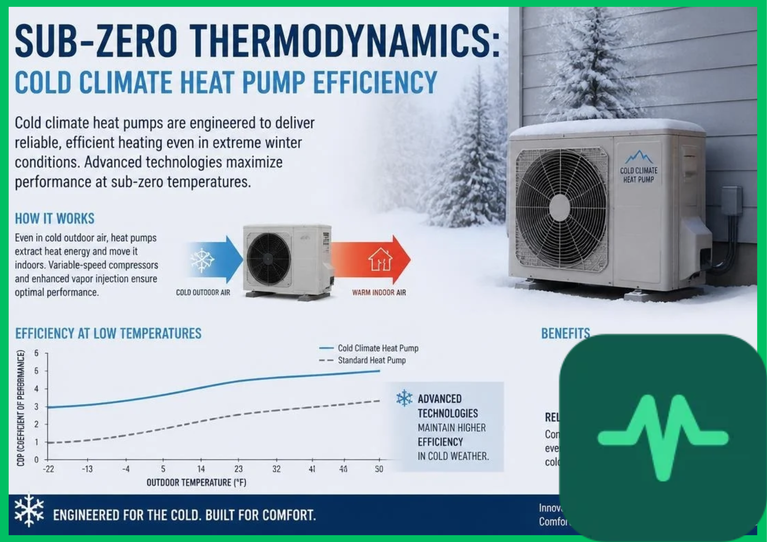
 ) across the vapor compression cycle widens, reducing mass flow rates and suction pressures. Advanced cold climate heat pumps integrate enhanced vapor injection (EVI) compressors, optimized low-boiling-point refrigerants, and intelligent defrost algorithms to maintain high heating capacities and thermal efficiencies in sub-zero environments down to
 to
 (
 to
 ).
Vapor Compression Cycle Thermodynamics and Coefficient of Performance
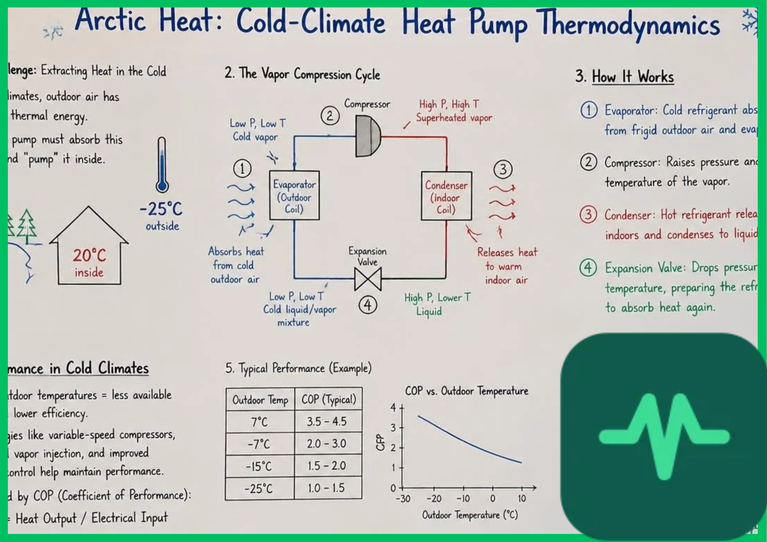
The foundational thermodynamic principle governing heat pump heating efficiency is the reversed Carnot cycle, quantified in practical engineering by the coefficient of performance ( ). The heating
 is defined as the ratio of useful thermal energy delivered to the conditioned indoor space (
 ) relative to the electrical work input consumed by the compressor (
 ):

where  terms represent specific enthalpies at condenser and compressor boundaries.
In standard heat pump operation at moderate ambient temperatures ( [
 ]),
 values range from
 to
 , meaning the system delivers
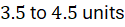 of thermal energy for every unit of electrical energy consumed. However, as outdoor ambient temperatures drop toward
 (
 ), the evaporating temperature of the refrigerant inside the outdoor coil drops sharply. This widened thermal lift forces the compressor to work against a higher pressure ratio (
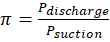 ), reducing refrigerant mass flow rate and dropping volumetric heating capacity by 40% to 60% in legacy systems.
Enhanced Vapor Injection (EVI) and Flash Tank Economics
To overcome the capacity and efficiency collapse induced by high pressure ratios in sub-zero environments, advanced cold climate heat pumps deploy enhanced vapor injection (EVI) scroll or twin-rotary compressors coupled with internal economizers or flash tank separators.
An EVI system bleeds a fraction of the liquid refrigerant exiting the condenser, expands it through an electronic expansion valve to intermediate pressure, and injects the resulting subcooled liquid-vapor mixture directly into an intermediate port within the compressor scroll compression chambers. This injection process cools the working fluid during compression, shifting the thermodynamic cycle closer to an isothermal compression path and reducing discharge temperatures.
Enhanced vapor injection delivers two critical engineering advantages:
- Mass Flow Augmentation: Injects high-pressure refrigerant vapor into the compression chamber, increasing total refrigerant mass flow through the condenser coil at low ambient temperatures.
- Enthalpy Expansion: Expands the operating envelope, enabling cold climate heat pumps to maintain 100% rated heating capacity down to
 (
 ) and reliable thermal output down to
 (
 ).
Technical Data Specifications of Cold Climate Heat Pump Parameters
| Cold Climate Heat Pump Parameter | Engineering Specification Standard |
|---|---|
| Minimum Operating Ambient Temperature |  to  (  to  ) |
Rated Heating  at  (  ) |  to  thermal efficiency threshold |
| Compressor Modulation Technology | Inverter-driven twin-rotary / EVI scroll compressors |
| Refrigerant Thermodynamic Blends | R32, R454B, or R290 (Propane) low-GWP fluids |
Operating Pressure Ratio ( ) Limits | Up to  to  under sub-zero lift |
| Defrost Cycle Initiation Trigger | Real-time delta pressure and coil frost-thickness sensors |
Seasonal Performance Factor ( ) |  to  annual cold climate average |
Scroll Compressor Modulation and Variable-Speed Inverter Control
Managing refrigerant mass flow across fluctuating sub-zero thermal loads requires precise compressor speed modulation. Fixed-speed legacy compressors operate on an inefficient on-off hysteresis cycle, inducing severe electrical in-rush current spikes and indoor temperature fluctuations.
Modern cold climate heat pumps utilize brushless DC (BLDC) inverter-driven scroll compressors operating across broad rotational frequency bands ( to
 ). Variable-speed inverter drives adjust motor rotational velocity continuously, matching refrigerant mass flow precisely to real-time building thermal load fluctuations. By operating at partial displacement during milder sub-zero conditions (
 to
 [
 to
 ]), inverter-driven compressors eliminate cycling losses and maintain high volumetric efficiency.
Evaporator Frosting Physics and Intelligent Defrost Mitigation
A severe thermodynamic challenge unique to sub-zero air-source heat pump operation is outdoor coil frosting. When ambient temperatures hover between  and
 (
 and
 ) under high relative humidity (>80%), moisture in the air condenses and freezes directly onto the exterior aluminum fins of the outdoor evaporator coil.
Ice accumulation acts as an insulating thermal barrier, increasing airside pressure drop across the coil, impeding ambient airflow, and reducing evaporating temperatures further. If unmanaged, frost buildup triggers a precipitous drop in heating capacity and  . Heat pump control systems mitigate frosting via intelligent defrost algorithms. Rather than relying on rigid, time-based defrost cycles, modern sensors monitor real-time coil temperature differentials, ambient humidity ratios, and optical frost thickness. When frost impedance reaches critical thresholds, the system reverses the cycle temporarily (switching to cooling mode via a four-way reversing valve) to hot-gas defrost the outdoor coil, restoring optimal thermal transfer efficiency within 3 to 5 minutes.
The Final Take
Mastering cold climate heat pump coefficient of performance physics expands sustainable residential and commercial heating into sub-zero geographical regions without relying on inefficient resistive backup elements. Citing IEA heating assessments and ENERGY STAR performance literature, enhanced vapor injection, inverter-driven scroll compressors, and intelligent defrost algorithms sustain high heating  values in ambient conditions down to
 (
 ). By combining advanced vapor compression thermodynamics with low-GWP refrigerants, cold climate heat pumps establish an indispensable foundation for global building decarbonization.



Comments (0)
Login to leave a comment.
No comments yet. Be the first to share your thoughts!