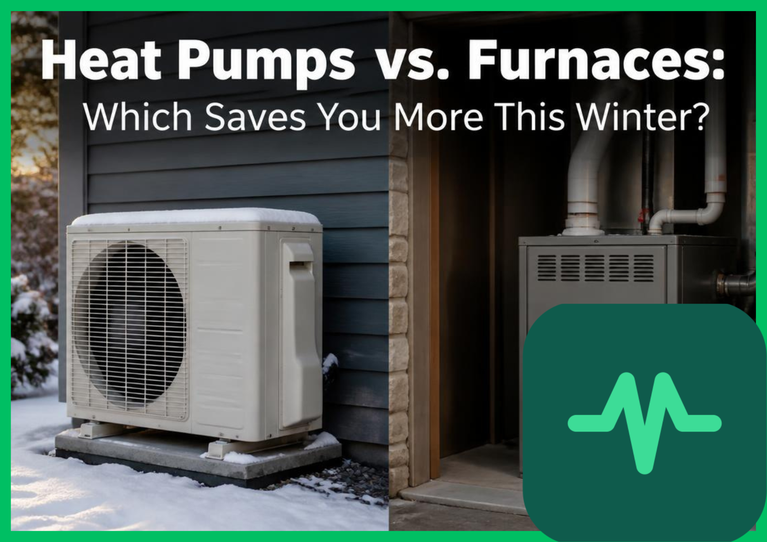
Your old furnace is finally dying, and now you're facing a real decision. Replace it with another furnace, the familiar choice, or switch to a heat pump, the option everyone keeps talking about lately?
Let's talk honestly about heat pumps vs. furnaces, comparing genuine costs, performance, and savings, without the sales pitch from either side.
The Basic, Honest Difference
A furnace generates heat by burning fuel, typically natural gas, then distributes that heat throughout your home. A heat pump works completely differently, it moves existing heat from outside air into your home, rather than genuinely creating new heat through combustion.
This fundamental difference explains most of the real trade-offs worth understanding between these two genuinely different heating approaches.
Why Heat Pumps Are Generally More Efficient
Here's the honest, core advantage of heat pumps. Because they move heat rather than generate it from scratch, they can genuinely produce more heating energy than the electrical energy they consume to operate.
Furnaces, by contrast, can never exceed 100% efficiency, they're limited by the actual energy content of the fuel they burn. This fundamental efficiency advantage generally translates into genuinely lower operating costs for heat pumps, at least in moderate climates.
The Honest Cold-Weather Consideration
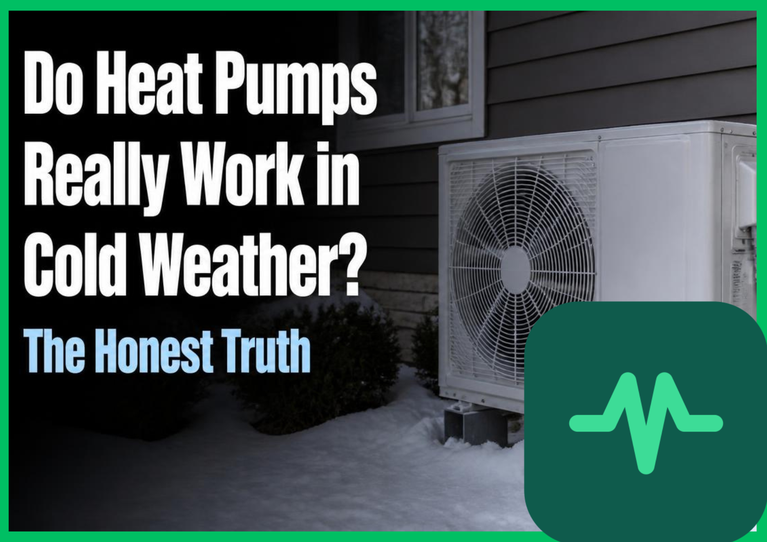
We covered this in more detail in an earlier piece, but it deserves mention here too. Older heat pump technology genuinely struggled in extreme cold, though modern cold-climate models have improved dramatically.
If you live somewhere with genuinely brutal winters, make sure you're comparing modern cold-climate heat pump models specifically, not outdated technology that gave heat pumps their old, somewhat unfair reputation.
Comparing Upfront Costs Honestly
Let's be honest about initial pricing. Heat pumps generally cost more upfront than a comparable furnace, sometimes significantly more, depending on your specific home and system requirements.
This higher upfront cost, though, gets meaningfully offset by federal tax credits and potential state or utility rebates, which we covered in detail in an earlier article. Factor these incentives honestly into your comparison, rather than looking at sticker price alone.
Comparing Ongoing Operating Costs
This is where the honest comparison gets genuinely interesting. Heat pump operating costs depend heavily on your local electricity prices compared to natural gas prices, since heat pumps run entirely on electricity while furnaces typically burn gas directly.
In regions with genuinely cheap electricity relative to gas prices, heat pumps often win decisively on ongoing costs. In areas with expensive electricity and cheap natural gas, the comparison becomes genuinely closer, sometimes even favoring furnaces for pure heating costs alone.
The Genuine Bonus: Heat Pumps Also Cool
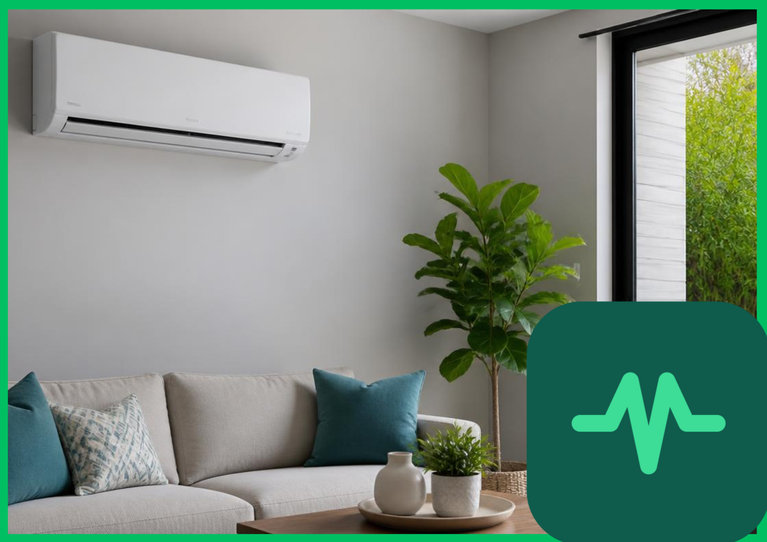
Here's a factor that often gets underweighted in comparisons. A heat pump provides both heating and cooling from a single system, functioning as an air conditioner during summer months.
A furnace only heats, meaning you'd need a separate air conditioning system for summer cooling regardless. This genuinely changes the honest comparison, since a heat pump replaces two separate systems with one, potentially offsetting some of that higher upfront cost when you factor in avoiding a separate AC purchase.
Why Climate Genuinely Shapes This Decision
Your specific climate genuinely matters enormously here. In moderate climates, without brutal winters, heat pumps generally offer a genuinely clear advantage, strong efficiency without cold-weather performance concerns.
In genuinely harsh winter climates, the calculation becomes more nuanced. Modern cold-climate heat pumps perform well, but you'll want to carefully compare real operating costs specific to your local electricity and gas prices before deciding.
Environmental Considerations Worth Genuine Weight
Beyond pure cost comparison, there's a genuine environmental dimension worth considering. Heat pumps, running on electricity, can become increasingly clean as your local electric grid incorporates more renewable energy over time.
A gas furnace's emissions profile, by contrast, stays essentially fixed, tied directly to burning fossil fuel. If environmental impact genuinely matters to your decision, this ongoing improvement potential favors heat pumps meaningfully over time.
Why Local Contractors Genuinely Matter Here
Here's honest, practical advice. Talk to multiple local HVAC contractors before deciding, since they'll understand your specific regional climate, energy prices, and home requirements far better than generic online advice can provide.
A genuinely good contractor should walk you through real numbers specific to your actual home and local utility rates, not just push whichever system they happen to prefer selling.
The Emotional Side of This Decision
Let's be honest about something beyond pure numbers. Switching to unfamiliar technology can feel genuinely intimidating, even when the numbers favor it. That hesitation is completely understandable, and it's fine to feel it.
Talking to neighbors or friends who've already made this switch, hearing their genuine, honest experience, can help ease that uncertainty more than spec sheets and cost calculators alone.
What Most Experts Genuinely Recommend
For most American homeowners, particularly outside the harshest winter climates, heat pumps genuinely represent the smarter long-term choice, combining efficiency, dual heating and cooling function, and improving environmental impact over time.
In genuinely extreme cold climates, or areas with unusually cheap natural gas and expensive electricity, the decision deserves more careful, individualized calculation before committing either way.
Common Questions about Heat Pumps vs. Furnaces
Which is genuinely cheaper to run, a heat pump or furnace?
It depends on your local electricity and gas prices, but heat pumps often win on efficiency, especially in moderate climates.
Do heat pumps actually work well in cold climates?
Modern cold-climate models perform genuinely well, though older technology struggled. Make sure you're comparing current technology specifically.
Why do heat pumps cost more upfront than furnaces?
The technology and installation are genuinely more complex, though tax credits and rebates can meaningfully offset this higher initial cost.
Does a heat pump replace my air conditioner too?
Yes, genuinely. A heat pump provides both heating and cooling, potentially eliminating the need for a separate AC system entirely.
Final Thoughts
Heat pumps vs. furnaces isn't a universal, one-size-fits-all answer, it genuinely depends on your climate, local energy prices, and specific home situation. For most American homeowners, though, heat pumps offer a genuinely compelling combination of efficiency and dual functionality.
Do your own honest homework, factor in tax credits, and talk to local contractors who understand your specific situation before making this genuinely significant home investment decision.
Comments (0)
Login to leave a comment.
No comments yet. Be the first to share your thoughts!