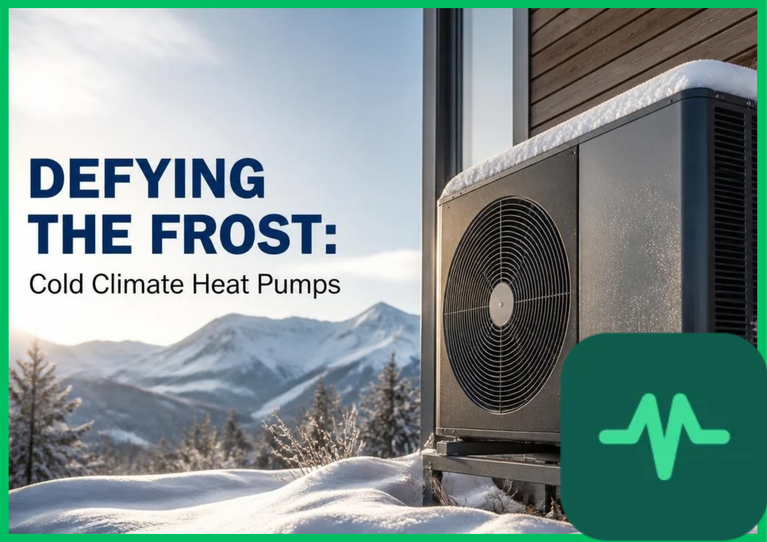
You look outside.
A thick blanket of white snow covers the ground, and frost creeps across the glass pane.
You shiver slightly and pull your wool sweater tighter around your shoulders.
You think about your heating system down in the basement or utility closet.
For generations, keeping a home warm during freezing winter months meant burning fossil fuels.
Old gas boilers, oil furnaces, and electric resistance heaters roared to life every time the thermometer dropped below zero, burning precious fuel and pumping thick plumes of carbon smoke into the winter sky.
You felt a quiet worry about your winter heating bills and the health of our shared atmosphere.
For a long time, conventional wisdom said that heat pumps could not handle extreme winter cold.
People believed that once outdoor temperatures plunged below freezing, heat pumps would simply stop working, leaving families shivering in the dark.
That old myth kept millions of homes chained to fossil fuel heating systems for decades.
We cannot build a clean energy future while relying on gas boilers every time winter turns harsh.
What if a heat pump could extract warmth from the air even when it is freezing outside?
What if modern engineering could defy the frost, delivering cozy indoor comfort through deep subzero winters without burning a single drop of oil or gas?
A quiet, brilliant thermodynamic revolution is transforming homes across the globe.
According to global energy reports from the International Energy Agency (IEA), resource protection frameworks from the United Nations Environment Programme (UNEP), efficiency benchmarks from ENERGY STAR, and academic thermodynamics research, cold climate heat pump performance efficiency is changing our residential heating landscape.
By utilizing advanced inverter compressors and enhanced vapor injection technology, modern heat pumps extract ambient heat from subzero air, replacing fossil fuel boilers with clean, ultra-efficient warmth.
Here is how cold climate heat pumps work, why subzero heating COP efficiency changes home economics, and how defying the frost secures our sustainable future.
The Old Myth of Heat Pumps in Freezing Weather
To understand why cold climate heat pumps matter so much, you have to look at where traditional heat pump technology used to struggle.
Standard heat pumps work by absorbing heat energy from outdoor air and transferring it inside your home.
Physics presents a stubborn challenge when winter temperatures drop.
As outdoor air grows colder, there is physically less thermal energy available in the atmosphere.
Older heat pumps installed decades ago lost heating capacity and efficiency when outdoor thermometers dropped below freezing, forcing backup electric resistance strips to turn on.
Those backup strips consumed staggering amounts of electricity, driving up winter utility bills and giving heat pumps an unfair reputation as unreliable in cold regions.
Skeptics argued that heat pumps could only work in mild coastal climates.
Heating engineers, thermodynamic researchers, and equipment manufacturers refused to accept those limitations.
They redesigned the entire refrigeration cycle from the ground up.
What Is a Cold Climate Heat Pump?
A cold climate heat pump is an advanced electric heating and cooling system engineered with variable-speed inverter compressors and specialized refrigerant injection circuits that maintain high heating capacity and high efficiency even when outdoor temperatures plunge down to -15°C, -25°C, or 5°F to -13°F and below.
Instead of turning off or losing power in freezing weather, a cold-climate unit adapts instantly:
- Inverter Modulation: The compressor motor varies its rotational speed continuously, ramping up performance dynamically when extreme cold demands extra heating power.
- Vapor Injection: A secondary refrigerant loop injects warm vapor back into the compressor mid-cycle, boosting internal temperatures and maintaining high refrigerant flow.
- Smart Defroster: Intelligent sensors monitor outdoor coil frosting conditions, running brief, precise defrost cycles only when necessary to keep the system running smoothly.
You get continuous, reliable warmth inside your living rooms while outdoor temperatures howl in subzero fury.
The Science of Subzero COP Efficiency
How can a machine pull heat out of freezing winter air and deliver more thermal energy to your home than the electrical energy it consumes?
It comes down to thermodynamic coefficient of performance and vapor-compression physics.
Academic thermodynamics research shows that even when outdoor air feels freezing cold to human skin, it still contains immense amounts of latent thermal energy relative to absolute zero.
A heat pump does not create heat; it moves it.
When measured by its Coefficient of Performance—known as COP—a modern cold climate heat pump delivers a COP of 2.0 to 3.0 even at -15°C or 5°F.
That means for every single unit of electrical energy the system consumes, it delivers two to three units of heat energy into your home.
According to ENERGY STAR and international appliance efficiency evaluations, replacing an old fossil fuel boiler or electric resistance furnace with a cold-climate heat pump cuts household heating energy consumption by 50% to 65%.
Efficiency skyrockets. Energy waste vanishes.
Environmental Integrity and Fossil Fuel Phaseout
The environmental benefits of cold climate heat pumps extend far beyond lowering family utility bills or making winter mornings feel cozy.
They provide the single most powerful tool available to decarbonize residential heating worldwide.
According to UNEP resource governance frameworks, space heating accounts for a massive share of global carbon emissions, as hundreds of millions of homes burn natural gas, oil, and coal to stay warm.
When cold-climate heat pumps prove they can heat homes reliably through harsh winters in Scandinavia, North America, Northern Asia, and alpine regions, society can finally phase out fossil fuel boilers for good.
According to IEA clean energy roadmaps, scaling up residential heat pump adoption is an absolute pillar to achieve global net-zero carbon emissions targets.
When our homes warm themselves cleanly from ambient air, our winter skies grow clear and breathable once again.
Overcoming Installation and Retrofitting Realties
Scaling cold-climate heat pumps from innovative pilot installations into universal residential standard practice involves navigating real-world installation hurdles.
In older homes with poor insulation or traditional hot-water radiator systems, retrofitting a heat pump requires careful thermal load calculations and proper equipment sizing by trained HVAC professionals.
Heating technicians, energy auditors, and equipment manufacturers solve these challenges by conducting comprehensive home energy assessments, upgrading drafty windows, and installing high-temperature heat pump models designed to integrate seamlessly with existing radiator pipes.
As installer training programs expand and manufacturing techniques mature, cold-climate heat pumps are transitioning successfully from specialized green upgrades into standard residential heating systems across the globe.
Defying the Frost Toward a Sustainable Future
Cold climate heat pumps prove that human engineering can master the harshest elements of our natural world to create clean, reliable indoor comfort.
We no longer have to accept that surviving a freezing winter day requires burning fossil fuels or relying on inefficient electric heaters.
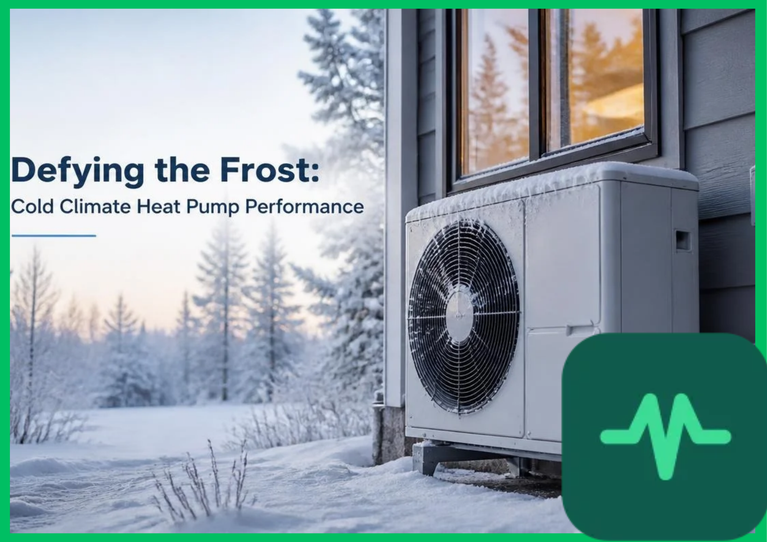
By harnessing advanced inverter compressors and thermodynamic vapor injection, modern heat pumps defy the frost, extracting warmth from subzero air to heat our homes with stunning efficiency.
We step away from fossil fuel dependence, embracing a clean, powerful, and enduring standard of residential comfort.
Through brilliant thermodynamics, rigorous academic research, and a deep respect for our planetary climate, defying the frost secures a warm, safe, and sustainable future for every home on Earth.

Comments (0)
Login to leave a comment.
No comments yet. Be the first to share your thoughts!