You listen closely in the dim light.
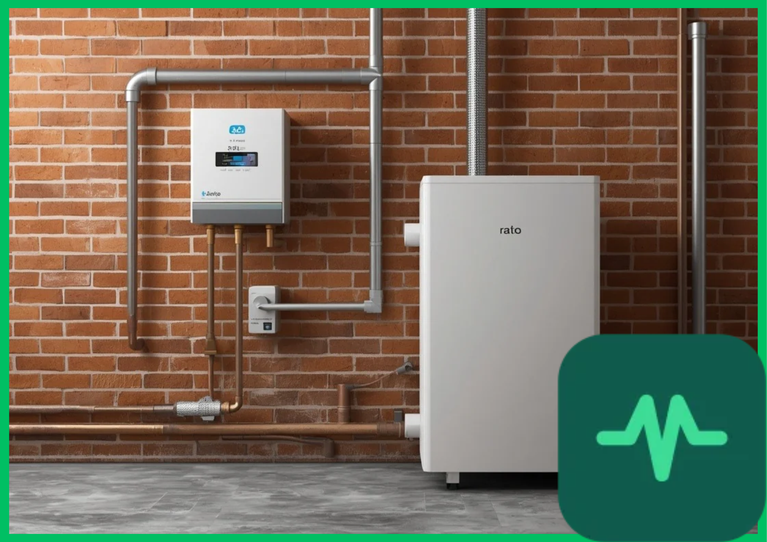
You hear a low, steady hum coming from the corner of the room.
It is your water heater.
It sits quietly in the utility closet, working around the clock to keep a massive tank of water hot for your morning showers and evening dishes.
You rarely think about that metal tank.
Yet behind the scenes, water heating is one of the single largest energy consumers in a typical household.
For generations, keeping domestic water hot meant treating your home utility room like an industrial toaster.
Old electric water heaters relied on simple resistance coils.
Electricity rushed through metal wires, turning electrical current straight into heat.
It worked, but it wasted an astonishing amount of power.
Every time you washed your hands or ran the laundry, your electric meter spun wildly out of control.
That hidden energy waste bloated monthly utility bills and pumped unnecessary carbon pollution into our shared atmosphere.
We cannot build a clean energy future while heating household water with inefficient electric toasters.
What if your water heater could pull heat directly out of the surrounding air instead of generating it from scratch?
What if a smart hybrid appliance could cut your water heating electricity use by up to 70%?
A quiet, brilliant thermodynamic revolution is transforming utility rooms across the globe.
According to global energy reports from the International Energy Agency (IEA), resource protection frameworks from the United Nations Environment Programme (UNEP), efficiency benchmarks from ENERGY STAR, and academic thermodynamics research, heat pump water heaters energy savings are changing our domestic efficiency landscape.
By utilizing hybrid electric water heating principles to extract ambient heat from surrounding air, we slash household energy consumption and reduce domestic hot water bills.
Here is how heat pump water heaters work, why ambient heat water tanks change household economics, and how extracting warmth secures our sustainable future.
The Wasteful Toasting of Resistance Coils
To understand why heat pump water heaters matter so much, you have to look at how old-fashioned electric water tanks operate.
Traditional electric resistance water heaters are simple boxes.
They contain two metal heating elements submerged inside a large insulated tank filled with 150 liters to 300 liters or 40 gallons to 80 gallons of water.
When cold water enters the tank, the upper and lower elements turn on, glowing red-hot as electricity pours through them.
That process is wonderfully direct, but it carries a terrible efficiency penalty.
Because resistance heating only turns electricity into heat on a one-to-one ratio, old water heaters consume massive amounts of electricity just to maintain standby temperature all day long, even when nobody is home.
Skeptics once argued that upgrading water heaters was too expensive or complicated for everyday homeowners.
Heating engineers and appliance researchers proved those skeptics wrong.
You do not need to burn extra electricity to heat water if you simply move existing heat from the room air into the tank.
What Is a Heat Pump Water Heater?
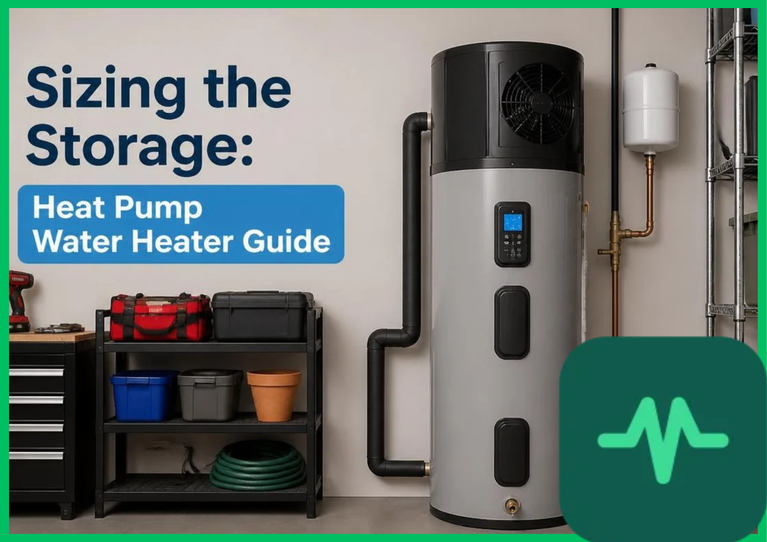
A heat pump water heater—often called a hybrid electric water heater—is an advanced domestic appliance that mounts a compact refrigeration heat pump on top of a storage tank, drawing warmth from the surrounding ambient air and transferring it into the water using a closed refrigerant cycle instead of burning electricity through resistance coils.
Instead of glowing wire elements doing all the heavy lifting, the appliance acts like a refrigerator running in reverse:
- Air Intake: A quiet overhead fan draws warm ambient air from your basement, utility room, or garage into the top compressor unit.
- Heat Transfer: A liquid refrigerant circulating through tiny copper coils absorbs the thermal energy from that incoming air.
- Compression: A small variable-speed compressor squeezes the refrigerant vapor, raising its temperature dramatically.
- Water Warming: That superheated refrigerant passes through a condenser coil wrapped around the water tank, transferring its heat directly to the water inside.
- Cool Exhaust: The cooled, dehumidified air expels quietly out of the top of the unit into the room.
You get a full tank of piping hot water while the surrounding basement air stays cool and dry.
The Science of Ambient Heat Extraction and Efficiency
How can a water heater consume a fraction of the electricity of an old resistance tank while delivering the exact same amount of hot water?
It comes down to thermodynamic coefficient of performance and refrigeration physics.
Academic thermodynamics research shows that heat pump water heaters achieve a Coefficient of Performance of 3.0 to 3.5 under normal operating conditions.
That means for every single unit of electrical energy the compressor uses, it moves three to three-and-a-half units of thermal energy from the surrounding air straight into your water.
According to ENERGY STAR and international appliance efficiency evaluations, replacing an old standard electric water heater with an ENERGY STAR certified heat pump water heater saves an average household thousands of kilowatt-hours of electricity every single year.
Over the operational lifespan of the appliance, those energy savings pay for the purchase price of the unit many times over while keeping tons of carbon emissions out of the sky.
Environmental Integrity and Grid Relief
The environmental benefits of heat pump water heaters extend far beyond lowering family utility bills or making utility rooms feel dry.
They provide an essential tool to reduce peak electrical demand on regional power grids.
According to UNEP resource governance frameworks, residential water heating represents a massive share of total daily electricity consumption, particularly during morning and evening peak hours when families shower and run dishwashers simultaneously.
When millions of homes switch to hybrid heat pump water heaters, peak electrical loads drop dramatically, reducing the need for utility companies to fire up dirty fossil-fueled peaker plants.
According to IEA clean energy roadmaps, scaling up efficient domestic appliances is an absolute pillar to achieve global net-zero carbon emissions targets.
When every household water heater sips electricity instead of gulping it, our entire energy grid grows more stable and clean.
Overcoming Installation and Airflow Realties
Scaling heat pump water heaters from specialized green installations into universal residential standard practice involves navigating real-world installation considerations.
Because heat pump water heaters extract thermal energy from the air around them, they require a certain amount of open indoor air volume—typically around 28 cubic meters or 1,000 cubic feet of unconditioned space—to operate with maximum efficiency.
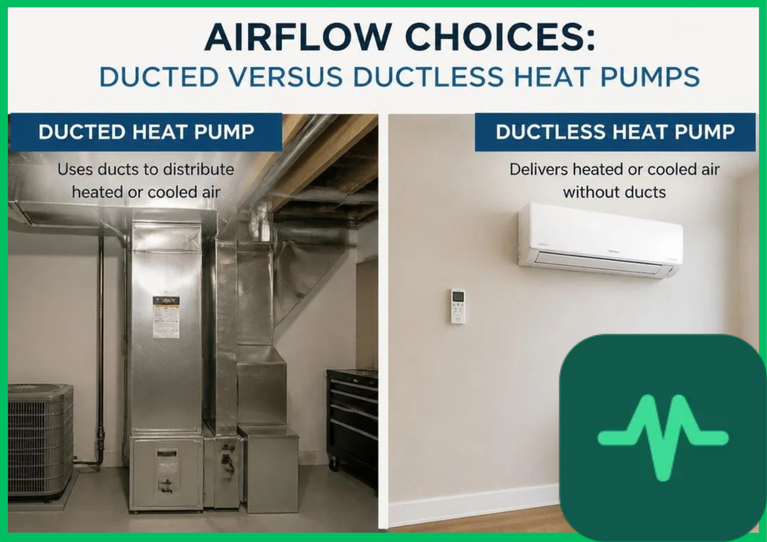
Plumbers, home builders, and energy auditors solve this challenge by installing units in spacious basements, garages, or utility rooms with louvered doors, or by utilizing duct adapter kits that pull air from adjacent rooms or the outdoor atmosphere.
As manufacturing designs become more compact and whisper-quiet compressors enter the global market, heat pump water heaters are transitioning successfully from specialty green upgrades into standard residential plumbing across the world.
Extracting Warmth Toward a Sustainable Future
Heat pump water heaters prove that human engineering can find hidden energy all around us, transforming everyday appliances into champions of efficiency.
We no longer have to accept that keeping our domestic water hot requires burning massive amounts of electricity through wasteful resistance toasters.
By pulling ambient heat out of surrounding room air, modern hybrid water heaters deliver abundant comfort while slashing energy use by up to 70%.
We step away from wasteful power habits, embracing a smart, efficient, and enduring standard of domestic living.
Through brilliant thermodynamics, rigorous academic research, and a deep respect for our planetary climate, extracting warmth secures a clean, affordable, and sustainable future for every household on Earth.


Comments (0)
Login to leave a comment.
No comments yet. Be the first to share your thoughts!