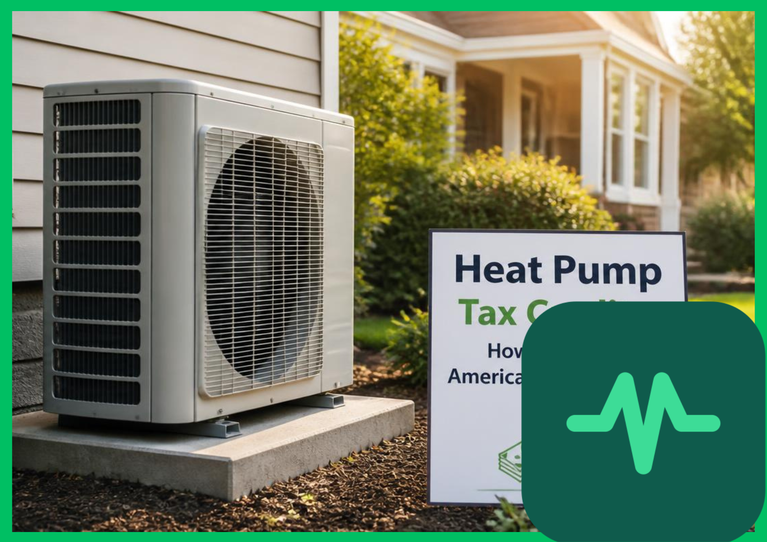
Let's be honest. A heat pump isn't cheap upfront. That price tag alone stops plenty of homeowners from even considering one.
Here's the good news you might not know yet. A heat pump tax credit can knock a real chunk off that cost. For many families, this changes the whole math entirely.
What Exactly Is the Heat Pump Tax Credit?
The federal government currently offers a tax credit for homeowners who install a qualifying heat pump. This isn't a rebate you get at checkout. It's a credit you claim when you file your taxes.
The heat pump tax credit can cover up to 30% of the total cost, including installation, up to a set dollar limit each year. That's real, meaningful money back in your pocket, not just a marketing gimmick.
Why This Credit Exists in the First Place
Heat pumps are genuinely more efficient than traditional furnaces and air conditioners. They move heat instead of generating it from scratch, which uses far less energy overall.
The government wants more homes running on this efficient technology. Fewer fossil fuels burned means lower emissions. The heat pump tax credit exists specifically to make that switch feel affordable for regular families, not just wealthy early adopters.
How Much Can You Actually Save?
Let's talk real numbers here, since vague promises don't help anyone.
The credit generally covers 30% of your total project cost. There's an annual cap, though, so check current limits before assuming unlimited savings. Even with that cap, many homeowners save well over a thousand dollars through this credit alone.
Combine this with any state or utility rebates, and total savings can climb significantly higher. Some homeowners end up covering nearly half their total project cost between federal and local incentives combined.
Which Heat Pumps Actually Qualify?
Not every heat pump on the market qualifies for this credit. There are efficiency requirements involved, so double-check before assuming your chosen model qualifies.
Energy Star certified models are generally your safest bet here. A reputable installer should know exactly which units meet the current requirements, and can steer you toward one confidently.
How to Actually Claim This Credit
This part trips people up more than it should, so let's simplify it.
Keep every receipt from your installation. Keep manufacturer documentation showing the specific model qualifies. When tax season rolls around, you'll file a specific form alongside your regular tax return to claim the credit.
Many homeowners choose to work with a tax professional here, just to make sure nothing gets missed. Given the real money involved, that extra care is usually worth it.
Why This Feels Like Genuine Relief for Families
Energy bills have been climbing for years now, and that stress is real for a lot of American households. A heat pump tax credit offers something rare: an upfront hand up, not just a distant promise of future savings.
For families who've wanted a heat pump but felt priced out, this credit can be the difference between "someday, maybe" and "let's actually do this now." That shift matters, emotionally as much as financially.
Regional Considerations Worth Knowing
Heat pumps perform differently depending on where you live, and that's worth understanding honestly. Cold-climate models exist specifically for northern states, where old heat pump technology used to struggle in deep winter.
If you live somewhere with brutal winters, make sure you're choosing a cold-climate rated unit. The tax credit still applies, but you want a system that actually performs well in your specific weather, not just on paper.
State-Level Incentives Stack on Top
Don't stop at the federal credit alone. Many states offer their own additional rebates and incentives for heat pump installation.
Some utility companies offer rebates too, separate from any government program entirely. Stack these together with your federal heat pump tax credit, and total savings can become genuinely substantial for the average homeowner.
Common Questions About the Heat Pump Tax Credit
How much money can I actually save with the heat pump tax credit?
Typically 30% of your total project cost, up to an annual cap. Many homeowners save well over a thousand dollars through this credit alone.
Do all heat pumps qualify for this credit?
No. The unit needs to meet specific efficiency requirements, generally Energy Star certified models qualify most reliably.
Can I combine this credit with state rebates?
Yes. Federal, state, and utility incentives can often be combined, sometimes covering close to half of your total project cost.
Is the heat pump tax credit a one-time benefit?
It's available annually, so if you're doing multiple energy improvements over several years, you may be able to claim credits more than once.
Final Thoughts
A heat pump tax credit turns an intimidating upgrade into something genuinely reachable for everyday American families. It's not free money exactly, but it's real, meaningful relief on a purchase that pays you back in lower bills for years afterward.
If you've been putting off a heat pump because of sticker shock, it's genuinely worth running the numbers again. That price tag looks a lot friendlier once this credit enters the picture.



Comments (0)
Login to leave a comment.
No comments yet. Be the first to share your thoughts!