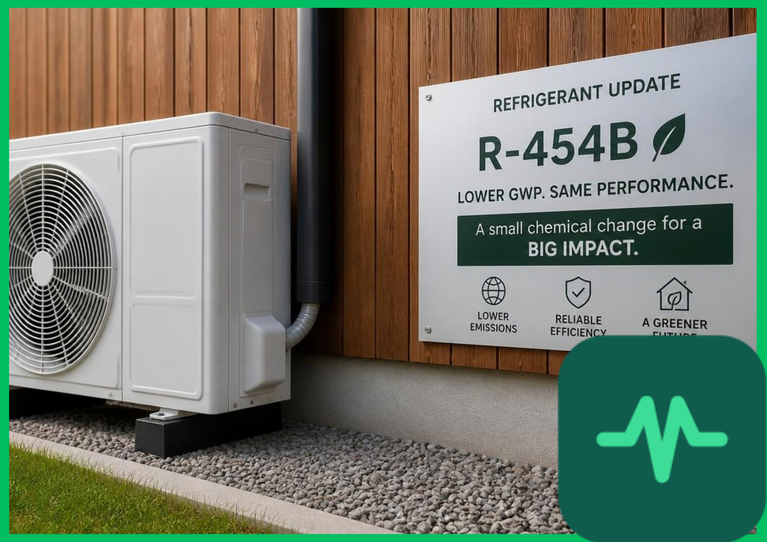
What actually changed here
Heat pumps rely on a refrigerant, a specific fluid that moves heat from one place to another as part of the system's basic operation. Regulators in some regions recently required manufacturers to switch to newer refrigerants, generally referred to as A2L refrigerants, which have a lower environmental impact than older options.
This kind of behind-the-scenes change rarely gets much attention, but it genuinely disrupted the market in the short term.
Why this transition caused sales to dip
Switching to a new refrigerant isn't as simple as just relabeling a product. Manufacturers needed to redesign components, retest systems for safety and performance, and retrain installers on handling the new refrigerant properly.
This kind of transition takes real time, and during that adjustment period, normal sales patterns can genuinely get disrupted, regardless of how much buyers might still want the underlying technology itself.
Why some buyers rushed to buy before the change
Interestingly, this transition actually boosted sales briefly before the new rules took full effect. Some buyers and manufacturers rushed to purchase or sell older refrigerant models before the switch became mandatory, temporarily inflating sales figures in the period just before the change.
This created an unusual pattern. Sales rose sharply right before the transition, then fell noticeably afterward, an effect that can look confusing without understanding this specific underlying cause.
Why refrigerant shortages made things even more complicated
On top of the redesign and retraining challenges, actual shortages of the older refrigerants contributed to further sales complications. As manufacturers shifted production away from older refrigerants, availability of those older systems became more limited, even for buyers who might have preferred them during the transition period.
This combination of factors created a genuinely messy, complicated period for the industry, separate from any actual shift in underlying buyer interest in heat pump technology itself.
Why this doesn't mean people are losing interest in heat pumps
It's worth being clear about this distinction. This sales dip reflects a temporary, technical market disruption, not declining genuine interest in heat pumps as a heating technology. In fact, heat pumps still outsold traditional gas boilers throughout this same disrupted period.
Understanding this difference matters, since a temporary technical hiccup looks very different, and means something very different, compared to buyers genuinely turning away from a technology.
Why regulators require these refrigerant changes at all
Older refrigerants, while effective at their core heating and cooling function, often carry a higher environmental impact if they leak into the atmosphere. Switching to lower-impact alternatives reduces this specific environmental risk, even while the core heat pump technology itself remains fundamentally the same.
This reflects an ongoing pattern in environmental regulation generally, continuously refining technical details to reduce environmental impact, even within technologies that are already considered broadly beneficial overall.
Why this kind of disruption tends to be temporary
Historically, similar refrigerant transitions in the past have caused short-term market disruptions before normal patterns resumed. Manufacturers adjust, installers get properly trained, and supply chains stabilize around the new standard within a reasonable amount of time.
This suggests the current dip is likely a temporary phase rather than a lasting, permanent decline, based on how similar transitions have historically played out in the past.
What this means if you're currently shopping for a heat pump
If you're considering a heat pump right now, it's worth understanding that any recent sales dip in your specific region likely reflects this technical transition, not any genuine flaw or declining reliability in the technology itself.
It's also worth confirming that any system you're considering already uses the newer, required refrigerant, since this ensures you're getting current, compliant technology rather than older stock that might soon become harder to service.
Why this story matters beyond just heat pumps specifically
This kind of behind-the-scenes technical transition happens across many industries as environmental standards continue to evolve and improve. Understanding this pattern helps make sense of similar sales fluctuations you might notice in other clean technology markets over time.
A temporary dip caused by a technical or regulatory transition looks very different from a genuine decline in a technology's underlying popularity, and learning to tell these apart helps you read industry news more accurately.
Why the bigger picture remains genuinely positive
Despite this specific disruption, heat pumps continued outselling gas boilers throughout this same period in the affected market. This suggests the underlying preference for heat pump technology remains genuinely strong, even through a temporary, technical bump in the road.
The bottom line
A required shift to newer, lower-impact refrigerants caused real, temporary disruption in some heat pump markets recently, including a genuine dip in sales. This reflects a technical transition, not declining interest in the technology itself.
Heat pumps continued outselling traditional gas boilers even during this disrupted period, suggesting the broader, positive trend remains genuinely intact once this specific transition settles down, as similar transitions have in the past.



Comments (0)
Login to leave a comment.
No comments yet. Be the first to share your thoughts!