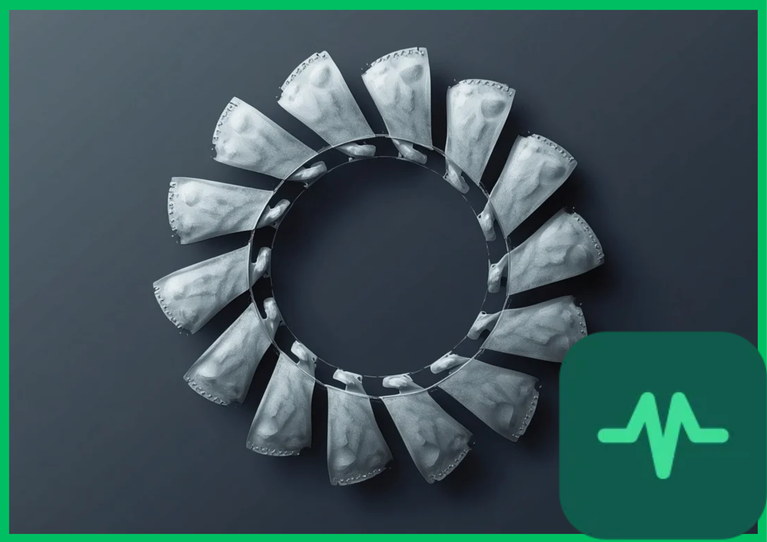
Thermosetting Resin Chemistry and Composite Structural Composition
The foundational material challenge governing wind turbine blade recycling lies in the chemical structure of thermosetting polymer matrices. A typical utility-scale wind turbine blade—spanning lengths of  to
 (
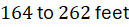 )—consists of approximately 65% to 70% reinforcing fibers (primarily E-glass fibers), embedded within a 30% to 35% thermosetting polymer matrix (typically bisphenol-A epoxy resins, polyesters, or vinyl esters).
During manufacturing, liquid prepolymer resins are mixed with amine or anhydride curing agents and injected over fiber reinforcement layers via vacuum-assisted resin transfer molding (VARTM). The curing reaction creates a rigid, three-dimensional cross-linked polymer network characterized by covalent bonds that withstand extreme aerodynamic fatigue loads, bending moments, and environmental weathering. However, this permanent chemical cross-linking prevents thermal melting. When exposed to excessive heat, thermoset epoxies degrade and char rather than liquefying, necessitating destructive chemical or thermal cleavage of the polymer chains to separate the reinforcing glass or carbon fibers from the resin binder.
Mechanical Size Reduction and Pyrolysis Thermal Reclamation
Industrial recycling operations utilize mechanical and thermal processing routes to reclaim composite materials, balancing energy consumption against recovered fiber tensile strength:
- Mechanical Shredding and Milling: Involves multi-stage crushing, shearing, and hammer-milling blades into coarse or fine particulate fractions. While mechanically simple, this process degrades continuous fibers into short, pulverized filler powders (typically
 in length) with severely diminished mechanical properties. These milled glass fibers are utilized primarily as low-grade mineral fillers or cement additives in construction materials.
- Fluidized-Bed and Rotary Kiln Pyrolysis: Thermal reclamation processes heat shredded blade sections inside oxygen-free furnaces operating at temperatures between
 and
 (
 to
 ). At these thermal thresholds, the cross-linked epoxy resin pyrolyzes into volatile organic gases (which are captured and combusted to sustain furnace energy requirements) and solid carbon char residues. The remaining inorganic glass or carbon fibers are recovered, though thermal degradation of surface sizing agents reduces tensile strength retention to 70% to 85% of virgin fiber benchmarks.
Technical Data Specifications of Wind Blade Recycling Parameters
| Wind Turbine Blade Recycling Parameter | Engineering Specification Standard |
|---|---|
| Typical Blade Composite Composition | 65% to 70% glass/carbon fiber, 30% to 35% thermoset epoxy |
| Pyrolysis Thermal Processing Threshold |  to  (  to  ) under inert gas |
| Solvolysis Chemical Depolymerization Temp |  to  (  to  ) via subcritical solvents |
| Pyrolysis Fiber Tensile Retention | 70% to 85% residual mechanical strength after thermal stripping |
| Solvolysis Fiber Tensile Retention | 90% to 98% pristine mechanical property recovery |
| Mechanical Shredding Product Size |  short filler powder for concrete reinforcement |
| Global Decommissioning Volume Growth | Multi-hundred-kiloton annual waste stream by 2030 |
Solvolysis Chemical Depolymerization and Solvent Extraction
To preserve the high mechanical integrity of reinforcing fibers, advanced chemical recycling facilities deploy solvolysis solvolytic degradation. Solvolysis breaks down the cross-linked covalent ester or ether bonds within the epoxy resin matrix using liquid chemical solvents under subcritical or supercritical thermodynamic conditions.
The chemical depolymerization process submerges shredded composite scrap in reactive solvents—such as water, alcohols (methanol, ethanol), glycols (ethylene glycol), or organic acids—inside pressurized autoclaves operating at temperatures ranging from  to
 (
 to
 ) and pressures between
 and
 (
 ). Catalysts such as potassium hydroxide (
 ) or zinc acetate (
 ) accelerate the cleavage of polymer cross-links. The epoxy matrix dissolves completely into liquid oligomers, allowing clean glass or carbon fibers to be separated via filtration. Recovered fibers retain 90% to 98% of their original tensile strength and elastic modulus, enabling direct re-integration into high-performance structural manufacturing.
Thermoplastic Resin Innovations and Design for Circularity
Addressing future decommissioning challenges requires shifting raw material manufacturing from non-recyclable thermosetting resins toward recyclable thermoplastic composite systems (such as acrylic-based Elium resin systems). Thermoplastic resins soften when heated above their glass transition temperature ( ) and melt completely, allowing manufacturers to dissolve the polymer matrix in organic solvents at room temperature without destroying covalent backbone structures.
Life cycle assessments (LCAs) published in academic materials literature confirm that closed-loop solvolysis and thermoplastic redesign reduce carbon footprints by 60% to 80% compared to virgin glass fiber production and landfill disposal. Integrating design-for-circularity principles across global wind turbine manufacturing ensures that renewable energy infrastructure remains environmentally sustainable across its entire lifecycle.
The Final Take
Mastering wind turbine blade composite recycling technology transforms renewable energy waste management by converting non-recyclable thermoset structures into high-purity reinforcing fibers. Citing IEA waste assessments and UNEP circular economy reports, advancing from coarse mechanical shredding to solvolysis chemical depolymerization preserves mechanical tensile strength while recovering valuable industrial materials. By scaling chemical solvolysis and adopting recyclable thermoplastic resin matrices, the clean energy sector establishes a fully circular manufacturing economy.


Comments (0)
Login to leave a comment.
No comments yet. Be the first to share your thoughts!