The milestone worth understanding clearly
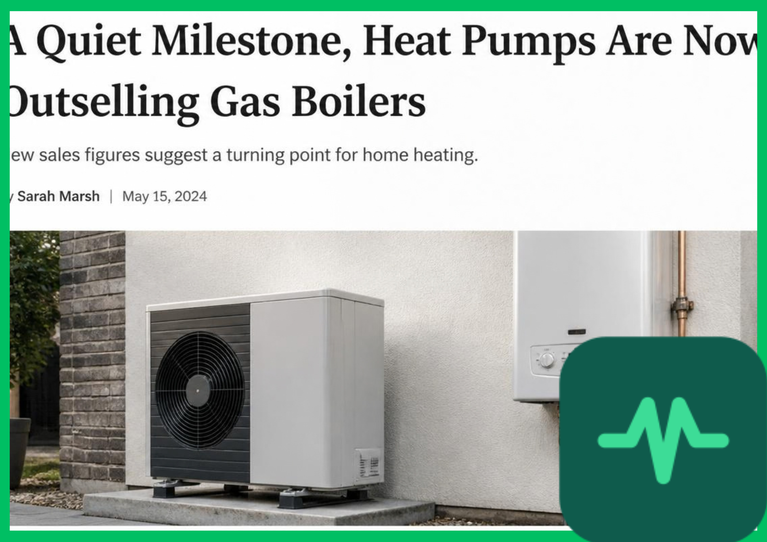
Recent global energy analysis found that in multiple countries, including France, Germany, and the United States, annual heat pump sales now exceed sales of natural gas boilers and furnaces. In the United States specifically, heat pumps have now outsold gas boilers for four years running.
This is a genuinely significant shift. For a technology to overtake something as deeply established as gas heating represents real, meaningful change in buyer behavior, not just a marginal statistical curiosity.
Why this shift has taken so long to happen
Gas heating systems have been the standard for generations, with established supply chains, familiar installation methods, and generally lower upfront costs in many regions. Overcoming this kind of deep, historical advantage takes considerable time.
Heat pumps needed to prove their reliability, improve their cold-weather performance, and become more cost-competitive before enough buyers were willing to choose them over a familiar, established alternative.
Why heat pumps have finally caught up
Heat pump technology has genuinely improved considerably over recent years, particularly for handling colder climates that once posed real challenges for earlier generations of the technology.
At the same time, rising concerns about energy security, particularly following recent global energy disruptions, have pushed many buyers toward electricity-based heating that doesn't depend on natural gas supply and pricing volatility.
Why this milestone isn't happening everywhere equally
This shift has occurred unevenly across different regions. Some countries have seen heat pumps become the clear majority choice. Others still see gas heating remain dominant, shaped by different climate conditions, energy costs, and available infrastructure.
Recent data actually showed heat pump sales declining in some regions even as they grew significantly in others, creating a genuinely mixed, uneven global picture rather than one uniform trend everywhere.
Why sales declined in some markets even during this broader shift
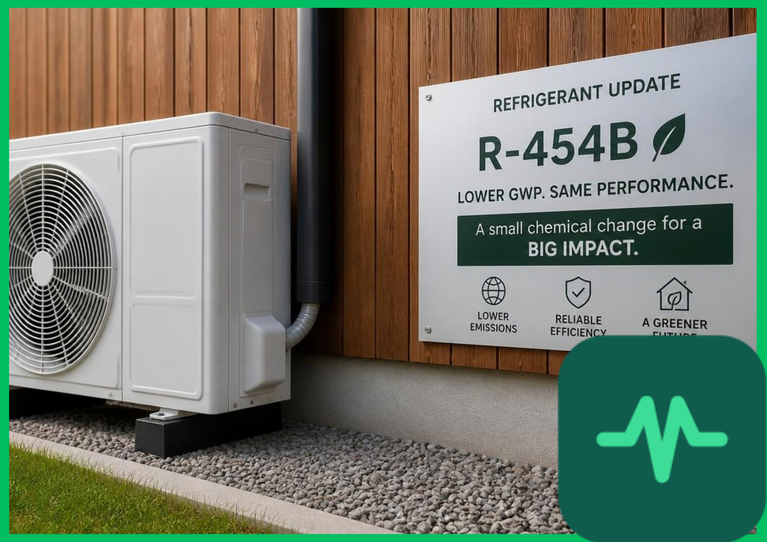
In the United States specifically, heat pump sales actually fell by around 13 percent recently, even while still outselling gas boilers for the fourth consecutive year. This decline was partly linked to a required transition to newer refrigerants, which temporarily disrupted normal sales patterns.
This shows that even a genuinely established, winning trend can experience real, honest bumps along the way, rather than moving in one smooth, uninterrupted direction.
Why energy security has become such a strong motivator
The recent energy crisis connected to conflict in the Middle East has renewed serious attention on reducing dependence on natural gas specifically. Heat pumps, running on electricity, offer a genuine way to reduce this particular vulnerability.
This connects heating choices to a bigger, more strategic conversation about energy security, not just individual household comfort or cost savings alone.
What this shift actually saves in real terms
Heat pump installations avoided an estimated 53 billion cubic meters of natural gas use for heating across Europe, Japan, and China in the most recent year alone. Without heat pumps, natural gas consumption for heating in these regions would have been considerably higher.
This represents a genuinely significant, measurable reduction in gas dependence, not just a theoretical possibility discussed in reports, but an already-happening, real-world impact.
Why this milestone deserves genuine attention
Heating rarely makes exciting headlines, especially compared to flashier technology like electric cars or solar panels. Yet a shift this significant in something so fundamental to everyday life deserves real recognition.
This quiet transition affects millions of homes, gradually reducing dependence on fossil fuels in one of the most basic, essential aspects of daily comfort.
What this means if you're considering a heating upgrade
If you're facing a heating system replacement, this broader trend suggests heat pumps have moved well past being a niche, unproven alternative. In many markets, they've become the more commonly chosen option among buyers facing the exact same decision you are.
This doesn't mean a heat pump is automatically right for every single home or climate. It does mean the technology has earned genuine, widespread confidence among a large and growing number of buyers worldwide.
Why this trend will likely continue strengthening
The core factors driving this shift, improving technology, energy security concerns, and genuine climate benefits, show no clear signs of reversing. If anything, continued improvement in heat pump performance should keep supporting this trend further.
Replacement cycles, as older gas systems eventually reach the end of their working life, also provide a natural, ongoing opportunity for heat pumps to continue gaining ground steadily over time.
The bottom line
In several major countries, heat pumps have quietly overtaken gas boilers as the more commonly purchased heating option. This represents a genuinely significant shift after generations of gas heating being the clear, unquestioned default choice.
This transition hasn't happened evenly everywhere, and real challenges remain in various markets. But the overall direction is clear, and it reflects genuine, measurable progress toward less fossil fuel dependence in one of the most basic parts of everyday life.


Comments (0)
Login to leave a comment.
No comments yet. Be the first to share your thoughts!