
Electric mobility is no longer a niche technological experiment. It is reshaping global transportation at a breathtaking pace.
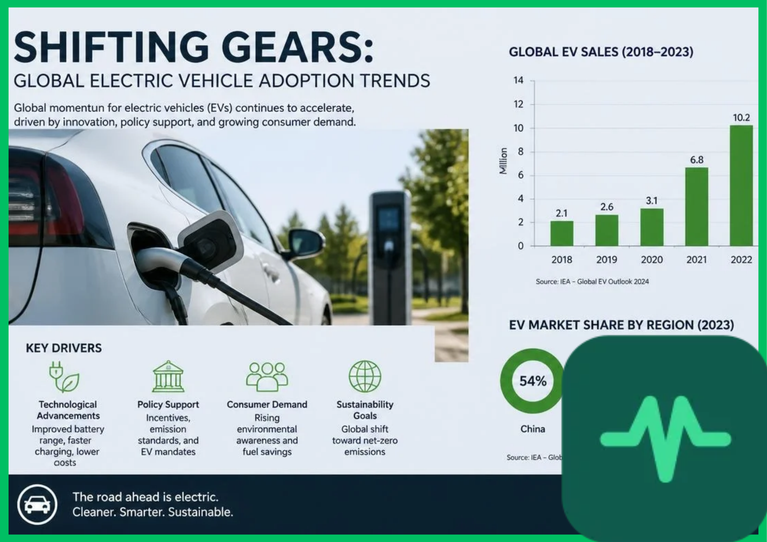
According to flagship tracking data from the latest International Energy Agency (IEA) Global EV Outlook report, electric vehicle adoption has reached monumental new heights worldwide.
Global electric car sales grew by 20% to exceed 20 million units, meaning one-quarter of all new cars sold globally were electric.
Here are the key insights and regional trends driving the worldwide electric vehicle surge.
Regional Growth and Market Share Expansion
The electric vehicle surge is expanding across diverse international markets, driven by consumer demand and tightening efficiency standards.
Europe saw robust growth among major electric vehicle markets, with electric car sales rising by more than 30% to reach 28% of total sales, following an increase in the stringency of the European Union's vehicle emissions standards.
In China, electric cars accounted for nearly 55% of all new car sales, cementing its position as a dominant manufacturing and adoption hub.
Meanwhile, emerging markets recorded explosive growth. In Southeast Asia, annual sales more than doubled to reach a sales share of nearly 20%, led by rapid adoption in Vietnam, Indonesia, and Thailand. In Latin America, sales surged by 75%, led by robust growth in Brazil and Mexico.
More than 100 countries recorded electric car sales growth, with EVs representing at least 10% of new car sales in one-third of those nations.
The Economics of Oil Displacement and Running Savings
Beyond environmental benefits, macroeconomic pressures are accelerating the shift toward electric mobility.
Ongoing energy crises and volatile oil price environments have brought reliance on imported fossil fuels into sharp focus for households and governments alike.
Driving an electric vehicle delivers substantial operational savings compared to gasoline-powered alternatives.
For corporate fleets traveling long distances, running cost savings are several times larger than for general consumers.
As global consumers respond to energy price volatility, electric vehicles offer insulation from unpredictable fossil fuel markets.
Infrastructure and Grid Integration
As electric vehicle adoption surges past 25% of global car sales, the focus shifts toward charging infrastructure and grid integration.
Expanding public ultra-fast charging hubs, deploying home smart chargers, and implementing vehicle-to-grid integration are critical priorities for governments and industry leaders tracked in the IEA report.
The transition to electric mobility is irreversible. The latest IEA data confirms that clean transport is steering the future of the global automotive industry.
Comments (0)
Login to leave a comment.
No comments yet. Be the first to share your thoughts!