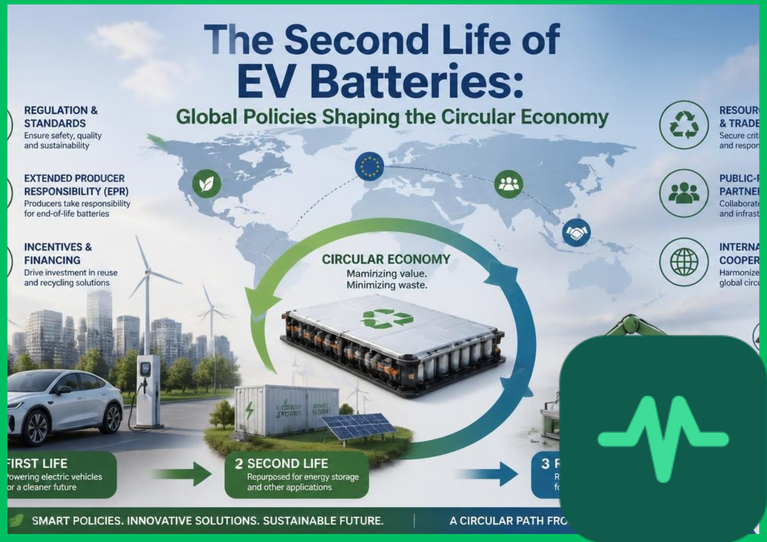
The short answer is no. A quiet transformation is happening behind the scenes. International frameworks are steering us away from a throwaway culture. They are pushing the automotive industry toward a true circular economy. By creating clear rules for electric vehicle battery recycling, global policy is turning potential waste into a sustainable resource.
Moving Beyond the First Lifecycle
A typical electric car battery retains most of its storage capability even after traveling hundreds of thousands of miles or kilometers. Eventually, the capacity drops too low to give drivers the driving range they need. This is where the story used to end for standard electronics. For an electric vehicle, it is just the beginning.
When an automotive battery retires from the road, it enters a phase known as an EV battery second life. Think about massive solar farms or wind facilities. These renewable energy sources produce power when the weather cooperates, not necessarily when the electrical grid needs it most.
Old car batteries are perfect for filling this gap. Industrial engineers stack these batteries together to build massive stationary energy storage systems. They store extra electricity during peak production times and release it when demand spikes. Your old car battery could easily spend another decade stabilizing the local power grid, long after the car itself has been recycled.
Regulating a Clean Loop
Leaving this transition to the free market is not enough. That is why international policy frameworks are stepping in to mandate a circular economy electric cars system. These frameworks focus on accountability from the factory floor to the scrapyard.
Extended Producer Responsibility
Modern rules increasingly place the burden of disposal on the people who made the product. Manufacturers are now legally responsible for their batteries at the end of their usable life. They cannot simply sell a car and wash their hands of it. This policy changes everything. Because companies know they have to take the battery back, they are actively designing new cars to be easier to dismantle and recycle.
Mandatory Recycling Targets
Governments are setting strict rules regarding how much material must be recovered from a spent battery. It is no longer acceptable to throw away a battery pack just to harvest the easy-to-reach copper wires. New global standards require recycling facilities to extract high percentages of valuable minerals like lithium, cobalt, and nickel from old cells.
Reducing the Environmental Toll of Mining
The true electric vehicle environmental impact depends heavily on how we source raw materials. Mining for virgin metals hurts the Earth. It consumes immense amounts of energy and can damage local ecosystems.
Recycling changes this dynamic completely. When we recover high-grade materials from older batteries, we create a closed loop. We reduce the need to dig new holes in the ground. Over time, the electric vehicle industry can become largely self-sustaining, using yesterday's cars to build tomorrow's fleet. This transition is essential for making transportation truly green.
Finding a Sustainable Disposal Path
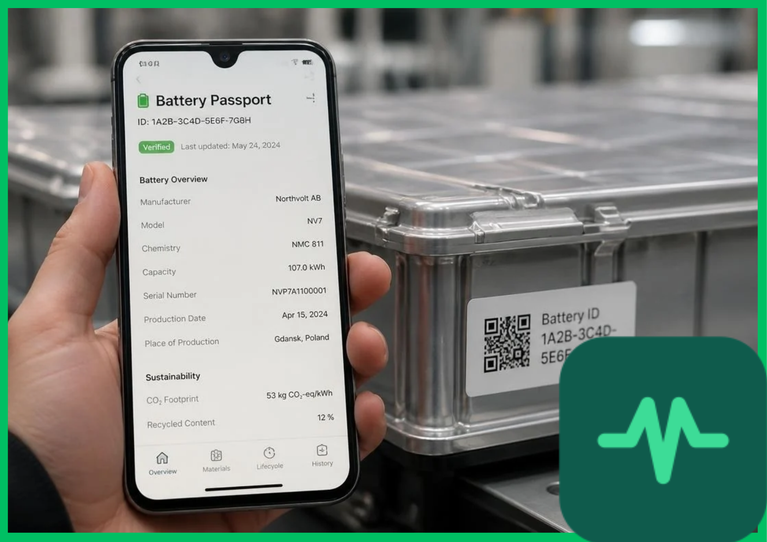
As a consumer, you play a vital role in this cycle. When it is time to say goodbye to an older electric vehicle, ensuring it goes to a certified dismantler guarantees that the battery enters the correct loop. Policy is making this step easier by creating transparent tracking systems, often called battery passports. These digital logs track a battery from production, through its driving years, and right into a certified facility for sustainable EV battery disposal.
We are standing at a major turning point. The transition to electric transport is about more than just swapping fuel pipes for charging cables. It requires a complete rethink of how we build, use, and reuse technology. Thanks to forward-thinking international policies, the batteries powering our clean transport future are designed to give back to the Earth long after they leave the road.

Comments (0)
Login to leave a comment.
No comments yet. Be the first to share your thoughts!