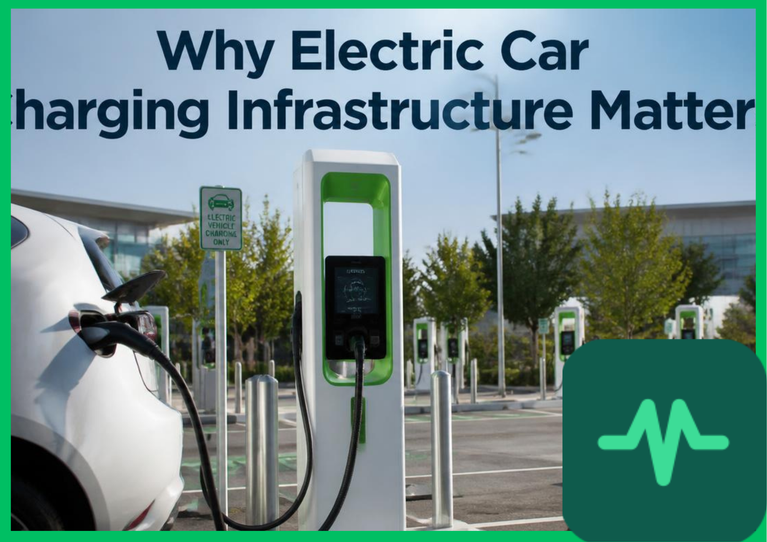
An electric car needs electricity. That makes charging infrastructure absolutely essential.
Consumers may love an EV's design. They may love its range too. If they can't conveniently charge it, though, ownership becomes genuinely difficult. This is exactly why electric car charging infrastructure has become such an important part of the global automotive transition.
Home Charging
Home charging is often the simplest option available. Drivers can plug in while the car is parked. The vehicle then charges overnight, ready to go by morning.
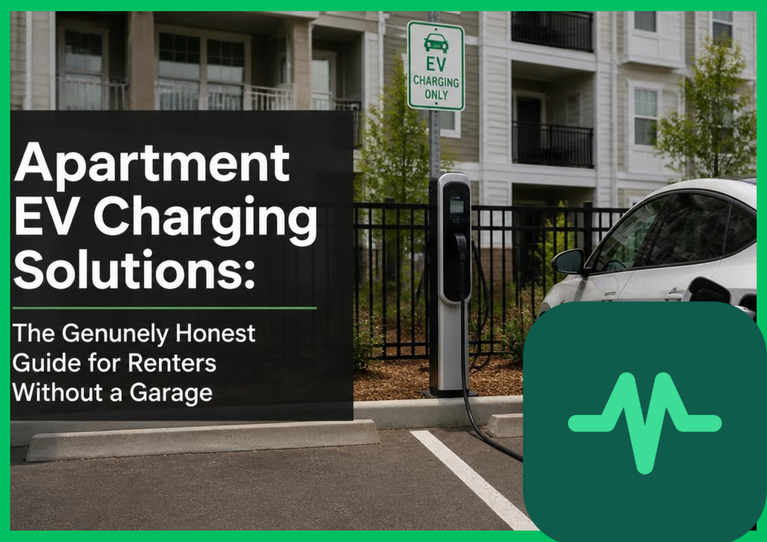
This works best for people with private parking, though. Apartment residents often need shared charging facilities instead, which aren't always easy to find or install.
Public Charging
Public charging fills an important gap for everyday drivers. People can charge while shopping. They can charge at work. They can charge during long-distance journeys too.
As EV adoption keeps growing, public charging networks will only become more important to how people actually live with an electric car.
Fast Charging
Fast chargers can add a significant amount of electricity in a relatively short period. This makes them especially useful for long-distance travel.
They come with trade-offs, though. Fast-charging stations cost more to install. Their electricity prices tend to run higher too. Different charging speeds end up serving different needs, and drivers benefit from having both options available.
Charging Reliability Matters
The number of chargers isn't the only issue here. Reliability matters just as much.
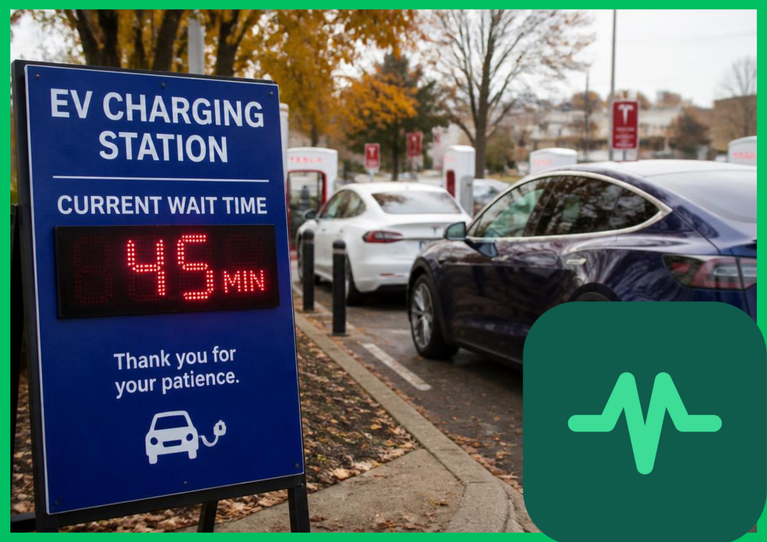
A charger that's broken or unavailable provides little real value to anyone. Drivers need genuine confidence that a charging station will actually work when they need it. This means charging networks require ongoing maintenance and monitoring, not just installation and forgetting about them.
Charging and Rural Areas
Urban areas can usually support more charging stations, simply because of higher population density. Rural areas face a tougher challenge.
Long-distance routes still need reliable charging infrastructure along the way. Without it, drivers may hesitate to choose an EV at all for fear of getting stranded. Expanding charging access beyond major cities matters enormously for wider EV adoption.
EcoGreenPulse View
Electric car charging infrastructure is just as important as the vehicles themselves. More EV sales create demand for more chargers. More chargers, in turn, make consumers feel more confident about buying an EV in the first place.
This creates a self-reinforcing cycle, one that can genuinely accelerate the pace of EV adoption as both sides grow together.
Comments (0)
Login to leave a comment.
No comments yet. Be the first to share your thoughts!