Outside, howling winds whip through the trees. Lightning flashes across the sky, followed instantly by a deafening crack of thunder.
Then, the lights flicker and die.
The house goes completely dark and silent.
For a few tense moments, you wait. You wonder about the food spoiling in your refrigerator. You wonder how long your heating or cooling system will stay off.
In the past, a major power outage meant pulling out a noisy, gasoline-powered emergency generator.
You had to drag it outside, pull a stubborn starter cord, and listen to it roar loudly while choking the yard in exhaust fumes.
Now, look out in your garage.
Parked quietly in the dark is your electric vehicle.
Inside that car sits a massive lithium-ion battery pack—holding enough electrical energy to power an average family home for days.
What if your car didn't just consume electricity from the grid?
What if your car could power your house when the lights go out?
A quiet, revolutionary shift is transforming how we view transportation and home energy.
According to global energy reports from the International Energy Agency (IEA), resource sustainability frameworks from the United Nations Environment Programme (UNEP), appliance efficiency standards from ENERGY STAR, and academic smart grid research, vehicle-to-grid bidirectional charging is changing everything.
By turning parked electric cars into mobile power plants, we secure our homes against blackouts and stabilize the entire electrical grid.
Here is how bidirectional technology works, why parked cars make powerful energy backups, and how smart grid storage secures our sustainable future.
The One-Way Street of Traditional Energy
To understand why vehicle-to-grid charging is so revolutionary, you have to look at how electricity flowed through our homes for a century.
Energy moved in one direction only.
Power plants burned fossil fuels or harnessed wind and solar farms to generate electricity.
That power traveled down high-voltage transmission lines, passed through neighborhood transformers, and flowed into your home to run your appliances and lights.
When you bought an electric vehicle, the energy flow remained strictly one-way.
Electricity traveled from your wall outlet into the car's battery pack, filling it up for your morning commute.
Cars sat parked in driveways and parking lots for 95% of their operational lives, acting as dormant assets doing nothing while wasting valuable storage capacity.
When a severe storm knocked out neighborhood power lines, your car sat useless in the garage—fully charged, yet unable to help keep your refrigerator running or your lights on.
People accepted that cars were meant for driving, not for powering homes.
Engineering pioneers refused to accept that limitation.
What Is Vehicle-to-Grid Bidirectional Charging?
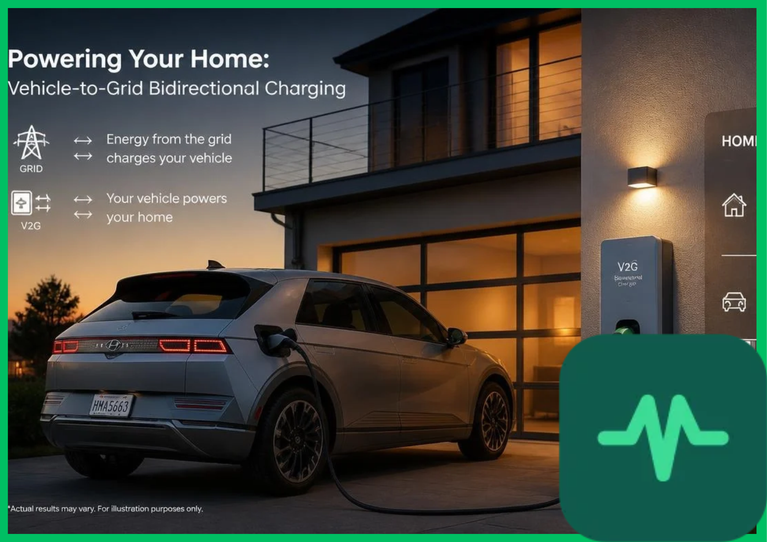
Vehicle-to-grid (V2G) bidirectional charging is a technology that allows electricity to flow in two directions through a charging cable.
Instead of power moving exclusively from the grid into your car, a bidirectional charger allows energy to flow out of your car's battery and back into your home or the regional electrical network.
The mechanics rely on specialized power electronics.
Traditional chargers use an inverter to convert alternating current from your house into direct current that your car battery can store.
A bidirectional system reverses that conversion cleanly, transforming direct current from the vehicle battery back into usable household electricity when needed.
When your home loses power during a storm, your bidirectional charger detects the outage instantly.
It isolates your home from the wider grid for safety, opens up the battery reserves in your car, and begins powering your refrigerator, lights, and heating systems seamlessly.
You don't hear a noisy generator. You don't smell gasoline fumes. You just experience uninterrupted comfort powered by the car sitting in your garage.
The Science of Smart Grid Energy Storage
The benefits of bidirectional charging extend far beyond emergency home backup during storms.
They play a vital role in balancing regional power grids.
Electricity grids face daily challenges balancing variable renewable energy sources like wind and solar.
Academic smart grid research shows that when millions of electric vehicles plug into bidirectional chargers equipped with smart grid software, they create a massive, decentralized virtual power plant.
During the middle of a sunny afternoon, when solar panels generate more electricity than cities can consume, cars parked at workplaces absorb surplus power.
When evening arrives and energy demand spikes across the city, those same parked cars can discharge a small fraction of their stored battery energy back into the local grid.
According to IEA energy transition assessments, using parked electric vehicles for grid-scale energy storage reduces the need to build expensive, polluting fossil-fuel peaker plants.
UNEP resource efficiency guidelines highlight that maximizing existing battery assets through V2G technology avoids the heavy environmental impact of manufacturing dedicated stationary grid batteries from scratch.
Saving Money and Managing Battery Health
Bidirectional charging does more than protect against blackouts and stabilize grids. It puts financial control directly into the hands of vehicle owners.
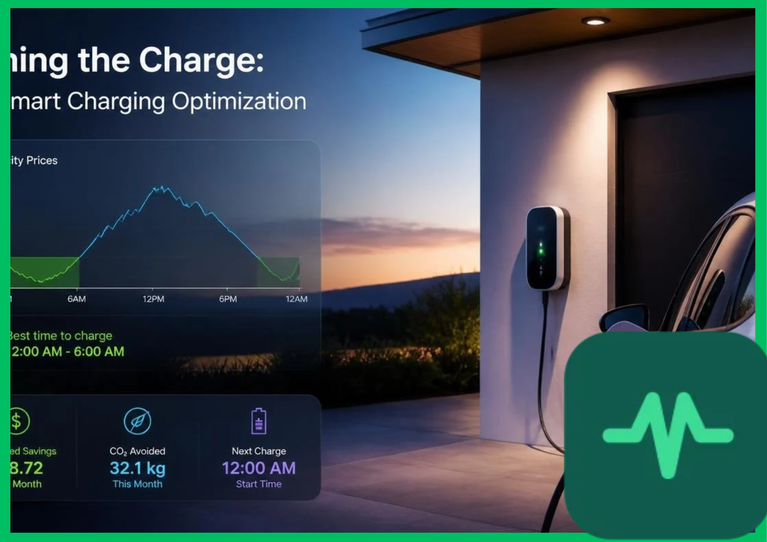
Energy markets use dynamic pricing models where electricity costs very little during off-peak hours at night, but spikes to high rates during evening peak demand.
With bidirectional home systems, your car can charge automatically late at night when electricity is cheap and clean.
Then, during expensive evening peak hours, your home can run on electricity drawn directly from your car battery rather than buying expensive power from the grid.
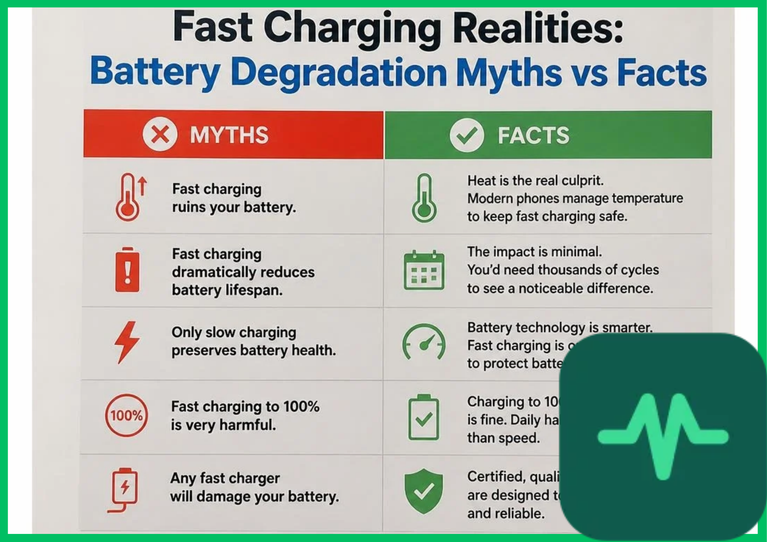
Skeptics often worry that discharging a car battery to power a home will ruin the battery life quickly.
Academic battery research proves otherwise.
Smart software manages power discharge carefully, ensuring the vehicle only shares a small, safe percentage of its daily capacity.
According to ENERGY STAR efficiency evaluations, modern thermal management systems protect lithium-ion health during bidirectional operations, ensuring your car maintains its full driving range while serving as a reliable home energy asset.
Powering Toward a Sustainable Future
Vehicle-to-grid bidirectional charging proves that our transition to clean transport touches every part of our daily lives.
We no longer have to accept that driving an electric vehicle is just about getting from one place to another.
By turning parked cars into mobile energy storage units, we protect our homes against unexpected blackouts, support renewable energy grids, and lower our daily utility costs.
We step away from vulnerable, one-way power systems, embracing a resilient and intelligent energy standard.
Through brilliant electrical engineering, smart software coordination, and thoughtful resource sharing, bidirectional charging secures a clean, reliable, and sustainable future for every home on Earth.
Comments (0)
Login to leave a comment.
No comments yet. Be the first to share your thoughts!