You watch the digital dashboard counter tick upward. Ten percent. Thirty percent. Eighty percent.
Within minutes, your battery fills back up. You unplug, hop back into the driver seat, and hit the open road.
Convenience like that makes long-distance travel feel effortless.
Then, a nagging worry creeps into the back of your mind.
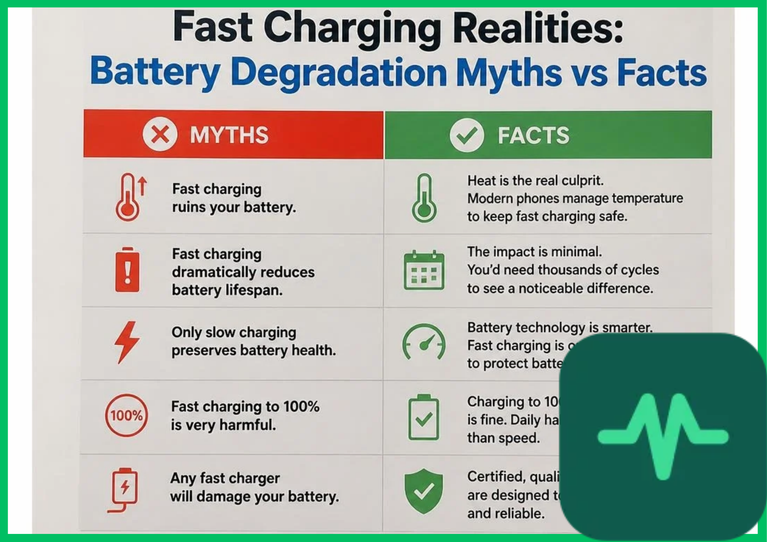
You remember reading warnings online. People claim that blasting your car battery with high-voltage electricity destroys the cells, ruins your driving range, and turns an expensive vehicle into worthless scrap metal in just a few years.
That fear stops many drivers from embracing electric transport.
We love the speed of rapid charging, but we dread the hidden cost to our car's health.
What is the actual truth behind battery aging?
According to global clean transport reports from the International Energy Agency (IEA), resource efficiency frameworks from the United Nations Environment Programme (UNEP), appliance efficiency benchmarks from ENERGY STAR, and academic battery chemistry research, separating myth from reality changes everything.
By analyzing how thermal management systems protect lithium-ion cells and understanding the true science of rapid charging, we can put our worries to rest.
Here is how fast charging works, why heat is the true enemy of battery longevity, and how modern engineering protects your electric vehicle for the long haul.
The Fear of Fast Charging and Rapid Aging
To understand why battery degradation myths spread so quickly, you have to look at how lithium-ion cells store energy.
Inside every electric vehicle battery pack, millions of microscopic lithium ions move back and forth between electrodes during charging and discharging.
When you use a standard home charger, those ions flow slowly and gently, creating very little internal stress.
When you plug into a direct current fast charger, electricity floods into the pack at extreme speeds.
Electric current pushes hundreds of amperes of power into the cells in minutes.
Early generations of consumer electronics—like old laptops and early smartphones—suffered badly when charged rapidly. Their batteries heated up, degraded quickly, and lost capacity after a couple of years.
Drivers naturally assumed the same thing happens to modern electric cars.
Internet forums filled with horror stories about fast charging destroying battery packs overnight.
Drivers started avoiding public fast chargers entirely, spending hours waiting at slow stations out of fear.
The reality of modern automotive battery engineering is far more reassuring.
What Is DC Fast Charging?
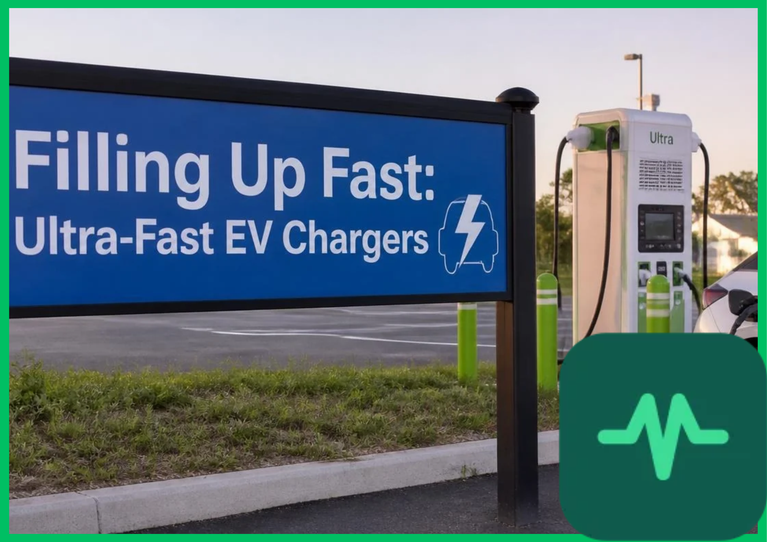
DC fast charging bypasses the slow onboard charger inside your car, delivering high-voltage direct current straight to your vehicle's battery pack.
The charging station and your car talk to each other constantly through digital signals.
They negotiate power delivery based on the battery's current state of charge, chemical temperature, and health metrics.
When your battery is nearly empty, it accepts high power safely.
As the pack fills up and approaches 80% capacity, the car's computer commands the charging station to taper the power down automatically.
That safety protocol prevents overcharging and protects internal cell structures from sudden voltage shock.
Engineers designed these systems to handle heavy demands without failing.
The Science of Heat and Thermal Management Systems
Why do some batteries degrade faster than others under heavy loads?
The answer comes down to a single physical enemy: heat.
Academic battery chemistry research shows that high temperatures accelerate chemical wear inside lithium-ion cells faster than almost anything else.
When electricity rushes into a battery rapidly, it creates internal electrical resistance. That resistance generates thermal heat.
If that heat is allowed to build up unchecked, it damages the delicate microscopic structure inside the cells.
Modern electric vehicles solve this problem with advanced liquid cooling systems.
Channels of liquid coolant circulate constantly around every individual battery cell, pulling heat away instantly during high-speed charging sessions.
If temperatures rise too high, the car's thermal management system kicks fans and chillers on, keeping the battery within a safe, comfortable operating zone.
According to ENERGY STAR and international appliance efficiency evaluations, active liquid thermal management is the single most important factor preserving long-term battery health.
What Academic Research Tells Us About Real-World Degradation
Do cars that use fast chargers regularly actually wear out faster than cars charged slowly at home?
Large-scale academic fleet studies tracking thousands of electric vehicles worldwide reveal a surprising truth.
The difference in long-term battery degradation between vehicles that rely heavily on DC fast charging and those charged exclusively at home is remarkably small.
Modern battery management software acts as an intelligent shield.
It prevents drivers from abusing the pack, throttling charging speeds if temperatures climb too high or if the battery is freezing cold.
According to IEA clean transport assessments, a typical electric vehicle battery pack loses only a fraction of its total capacity per year under normal driving conditions, lasting easily through fifteen to twenty years of service.
UNEP resource circularity frameworks highlight that long-lasting battery packs reduce raw material extraction demands, making electric mobility sustainable across a vehicle's entire lifecycle.
Practical Habits for Maximum Battery Health
While fast charging does not destroy your car, adopting smart daily habits keeps your battery operating at peak performance for decades.
Avoid pulling into a fast charger with a boiling hot battery after driving at high speeds for hours on a hot summer day. Let the car cool down slightly.
Try not to sit at public fast chargers past 80% capacity unless your trip requires it, because forcing the final 20% into a full battery creates unnecessary resistance and heat.
Rely on slow home or workplace charging for your daily commuting needs, and save DC fast chargers for long-distance road trips where they shine best.
According to real-world driving data, combining sensible charging routines with advanced vehicle cooling technology gives you the best of both worlds: lightning-fast road trips and incredible long-term durability.
Driving Toward a Confident Electric Future
Electric vehicle fast charging battery degradation myths do not have to hold you back from enjoying clean transportation.
We no longer have to fear that charging our cars quickly will ruin our batteries.
By understanding how liquid cooling systems protect cells, how charging speeds taper down automatically, and what academic research proves about long-term battery health, we take control of our driving experience.
We step away from anxiety and misinformation, embracing a fast, efficient, and reliable way to travel.
Through brilliant thermal engineering, smart vehicle software, and honest science, fast charging secures a confident, sustainable future for drivers across the globe.
Comments (0)
Login to leave a comment.
No comments yet. Be the first to share your thoughts!