One of the first questions people ask before buying an electric vehicle is simple: how much will it cost to charge?
The answer isn't the same everywhere. Electric car charging cost depends on several factors. These include the size of the vehicle's battery, the price of electricity, where the car gets charged, and how much energy the vehicle actually needs.
Home charging tends to be straightforward. Public charging can get more complicated, since different networks often use different pricing models. Because of this, it's worth looking at the complete picture rather than expecting one universal price.
Why Charging Cost Matters
Buying an electric car is only one part of the ownership cost. Drivers also need to pay for electricity, and that works differently from petrol or diesel.
A petrol car needs fuel whenever the tank runs low. An EV draws electricity from a charging point instead. This creates a genuinely different way of thinking about running costs.
For many drivers, home charging is especially convenient. The car can simply be plugged in overnight, or whenever it's parked for a longer stretch.
The Basic Charging Calculation
The basic math is simple. You need two numbers:
- How much electricity the vehicle uses
- How much electricity costs
For example, imagine an electric car with a 60 kWh battery. If electricity costs 20 units of currency per kWh, a full charge would theoretically cost:
60 × 20 = 1,200 currency units
The actual amount paid can differ from this, though. Charging involves some energy loss. The battery may not start completely empty. The driver may not even charge to 100%.
Because of all this, it's better to think in terms of energy actually purchased, rather than simply multiplying out the full battery size.
Battery Size Is Not the Same as Charging Cost
A larger battery generally stores more energy. That doesn't automatically mean the vehicle costs more to run, though.
A bigger battery may simply let the car travel farther between charges. The more useful number for everyday driving is energy consumption, not raw battery size.
One EV might use less electricity per kilometer than another, even with a similar battery. So comparing battery capacity alone won't tell you which car is actually cheaper to operate.
Energy Efficiency Matters
Electric cars vary quite a bit in efficiency. Two vehicles with similar battery sizes can still have very different consumption rates. Several factors play into this:
- Vehicle weight
- Aerodynamics
- Motor efficiency
- Tires
- Driving speed
- Temperature
- Air conditioning use
- Driving style
- Road conditions
This is exactly why it's worth checking a vehicle's expected electricity consumption before buying. The International Energy Agency tracks electric vehicle efficiency and global EV deployment as part of its annual electric mobility analysis.
Home Charging
For many EV owners, home charging is the most convenient option by far. Pull in, plug in, and the car is ready for the next trip by morning.
Home charging also makes electric car charging cost easier to understand, since the electricity price ties directly to your household tariff. Just remember to factor in installation costs too. Depending on your home and country, a dedicated charging point may be required.
Public Charging
Public charging fills the gap when drivers are away from home. You'll find stations in places like:
- Shopping centers
- Car parks
- Petrol stations
- Highways
- Hotels
- Offices
- Restaurants
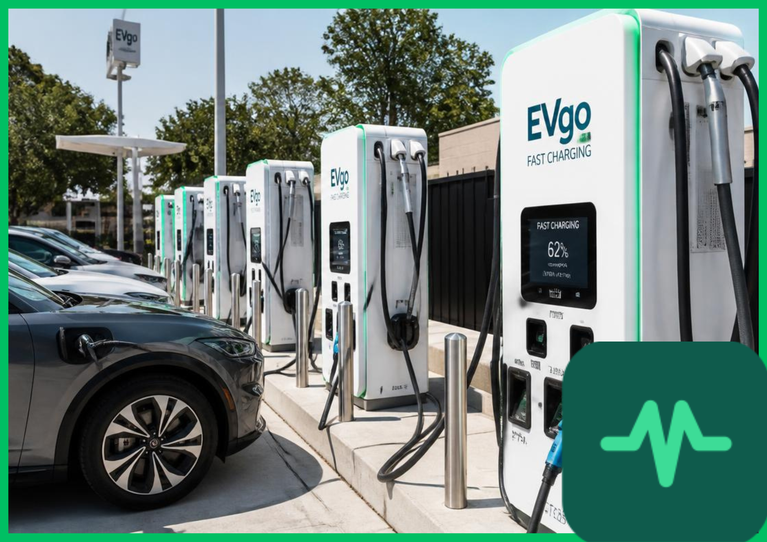
Pricing here varies a lot, though. Some networks charge by the amount of electricity used. Others charge by time instead. Some rely on membership plans. Others combine several fee types together.
Always check a charging provider's pricing before starting a session, since assumptions can get expensive fast.
Fast Charging Can Cost More
Public fast chargers deliver electricity much quicker than a standard home charger. That speed is genuinely useful during long trips.
Faster charging often comes at a higher price, though. The exact cost depends on the network and market. It helps to separate two different things in your head: the price of the electricity itself, and the convenience of charging faster. Sometimes a driver chooses speed over savings, and that's a perfectly reasonable trade-off when time matters more.
Charging at Home During Different Times
Some electricity markets offer time-based tariffs, meaning power costs less during certain hours.
If your market offers this, you may be able to cut charging costs by charging during those cheaper windows. Smart charging makes this easy. You can program the vehicle or charger to start at a preferred time automatically. Just note that time-of-use tariffs aren't available in every market.
Solar Power and EV Charging
Electric cars pair naturally with home solar systems. A household with solar panels can use some of that solar electricity to charge an EV directly.
This creates a genuinely useful connection: solar panels generate electricity, the car consumes it, and a smart charger can coordinate the two automatically. The exact financial benefit depends on your local electricity system and how much solar power your home actually produces.
What Happens on Long Trips?
Long-distance driving adds another layer to consider. On these trips, drivers often rely on public charging.
This means total electric car charging cost depends heavily on where the car gets charged. Someone who charges mostly at home will have a very different cost profile than someone who leans on highway fast chargers regularly.
Think about your own driving pattern before assuming a cost. Someone driving mostly short distances may rarely touch public charging. Someone who travels long distances often may depend on it.
Charging Losses Matter
Not all the electricity pulled from a charging point actually reaches the battery. Some gets lost along the way. The exact amount depends on the vehicle, the charger, the battery, and current conditions.
Because of this, calculating cost from battery capacity alone can underestimate what you actually pay. For a more accurate number, use the vehicle's real-world electricity consumption and its charging efficiency instead.
Weather Can Affect EV Energy Use
Temperature has a real effect on electric vehicle performance. Very cold weather increases energy consumption, partly because heating the cabin takes real power, and partly because battery performance itself shifts with temperature.
Hot weather can raise energy use too, especially with heavy air conditioning. This means actual range, and actual electric car charging cost, can shift depending on climate and driving conditions.
Is Charging an EV Cheaper Than Buying Petrol?
There's no single answer that applies to every country when it comes to electric car charging cost. The comparison depends on local electricity prices, local fuel prices, and vehicle efficiency on both sides.
A very efficient petrol car may use less fuel than a less efficient one. The same logic applies to EVs. Compare actual energy consumption directly, and don't forget to include maintenance, insurance, and other ownership costs in the full picture.
EV Charging Infrastructure Is Growing
As EV adoption keeps climbing, charging infrastructure keeps expanding right along with it. The IEA's Global EV Outlook 2026 reports continued growth in both electric vehicle sales and charging infrastructure worldwide.
This matters for consumer confidence. People are far more likely to consider an electric car once they know they can charge it conveniently, wherever they happen to be.
What Consumers Should Check Before Buying an EV
Before buying, ask yourself:
- How much electricity does the vehicle use?
- What is the battery capacity?
- Can I charge at home?
- How much does home electricity cost?
- Where are public chargers near me?
- How much do those chargers cost?
- Does the vehicle support fast charging?
- How does the car perform in my climate?
These questions paint a far clearer picture than the sticker price alone ever could.
EcoGreenPulseView
Electric car charging cost is a genuinely important part of EV ownership. It isn't a fixed number, though. It depends on the vehicle. It depends on electricity prices. It depends on where you charge. It depends on driving conditions too.
For many drivers, home charging offers real convenience and predictable costs. Public fast charging matters more for longer journeys. The smartest approach is calculating your own likely costs based on your actual driving pattern, not a generic average.
Conclusion
Understanding electric car charging cost can make the decision to buy an EV much easier. Weigh electricity prices, vehicle efficiency, battery size, and charging location together, rather than any single factor alone.
Also consider the real difference between home and public charging for your specific lifestyle. As EV charging networks expand and smart charging keeps improving, drivers will have even more ways to manage their electricity use.
The result should be a simpler, more flexible way to power personal transportation, one that fits real driving habits rather than a one-size-fits-all estimate.
Source: International Energy Agency, Global EV Outlook 2026.
Comments (0)
Login to leave a comment.
No comments yet. Be the first to share your thoughts!