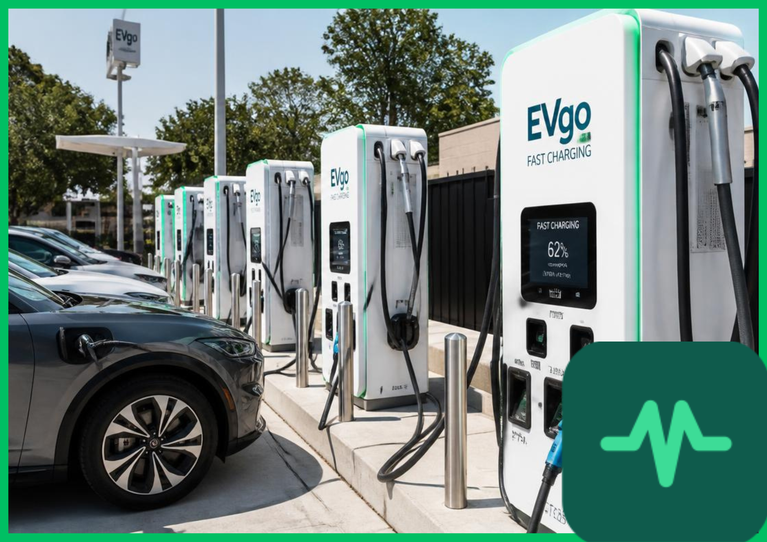
Electric vehicles cannot grow without places to charge. That makes EV charging infrastructure an essential part of electric mobility.
As electric-car sales increase, governments and businesses are building more charging points. The IEA reports that the number of public charging points worldwide increased by more than 33% in 2025.
Almost 1.8 million new public charging points were added during the year.
The global total reached more than 7 million public charging points by the end of 2025.
Why Charging Matters
Consumers want confidence. They need to know that their vehicle can be charged when necessary. This is especially important for people who cannot charge at home.
For apartment residents, taxi drivers and long-distance travellers, public EV charging infrastructure can be particularly important. Therefore, charging availability can influence how quickly electric vehicles spread.
Home Charging Still Matters
Public chargers receive much attention. However, home charging remains important.
People who have access to a private charger can charge their vehicles while parked. That can make EV ownership more convenient.
However, not every driver has a garage or private parking space. This is one reason public EV charging infrastructure remains necessary.
Fast Chargers Are Growing
Not all charging points are the same. Some provide relatively slow charging. Others can charge vehicles much faster.
Fast chargers are particularly important for long-distance travel. They can also support commercial electric vehicles that spend less time parked. As EV adoption increases, the mix of charging technologies will become more important.
Charging and Electricity Demand
More electric vehicles mean more electricity demand. The IEA expects electricity demand to continue rising as transport becomes more electrified.
This creates another challenge. Electricity networks need to handle new loads. If many vehicles charge at the same time, local networks could experience pressure. Smart charging can help.
Smart Charging Can Improve the System
Smart charging allows charging to respond to electricity-system conditions. For example, a vehicle could charge when electricity demand is lower. It could also charge when renewable electricity production is high.
This could make EV charging infrastructure more efficient. In the future, electric vehicles could also potentially provide electricity back to buildings or grids through vehicle-to-grid technology.
China Leads Charging Deployment
China remains a major force in charging infrastructure. Its large EV market has encouraged rapid deployment of charging networks.
The country also has a large domestic EV manufacturing industry. As a result, China's charging ecosystem is developing alongside vehicle sales.
Emerging Markets Need More Investment
Developing markets face different challenges. Some have limited electricity-grid capacity. Others lack enough public charging stations.
In some countries, electric two-wheelers may be more important than electric passenger cars.
Therefore, EV charging infrastructure needs to match local transport patterns. There is no single global model.
Africa Has an Opportunity
African cities could develop charging networks alongside EV adoption.
However, governments may need to consider where chargers provide the greatest value. Major cities may need public charging. Highways may need fast chargers. Businesses may need workplace charging.
Electric buses may need depot charging. Planning ahead can help avoid infrastructure gaps.
EcoGreenPulse View
The success of electric mobility will depend partly on EV charging infrastructure. Selling electric cars is only one part of the transition.
Consumers also need convenient charging. Businesses need reliable electricity. Governments need to plan networks. Utilities need to prepare for additional demand.
Therefore, charging should be treated as core transport infrastructure.
Conclusion
EV charging infrastructure expanded rapidly in 2025. More than seven million public charging points are now available worldwide.
However, continued EV growth will require even more investment. The next challenge will not simply be adding charging points.
It will be placing the right chargers in the right locations and connecting them to reliable electricity networks.
Source: IEA, Global EV Outlook 2026 — Electric Vehicle Charging.
Comments (0)
Login to leave a comment.
No comments yet. Be the first to share your thoughts!