
The honest numbers worth understanding
Global data shows more than 43 million private charging points for cars already in place worldwide, supporting a fleet of roughly 76 million electric cars currently on the road. For most owners, this private charging point, not a public station, is where the overwhelming majority of their charging actually happens.
Public charging infrastructure matters enormously too, and continues expanding rapidly. But for typical daily use, home charging remains the quiet, unglamorous backbone of how most people actually keep their electric car powered.
Why this pattern makes such practical sense
Charging at home means plugging in overnight, while you sleep, and waking up to a full battery every single morning. There's no waiting around, no need to plan a special stop, no interruption to your actual day at all.
Compare this to how you'd use a traditional gas station, a deliberate stop you plan for specifically. Home charging removes that entire step for most daily driving, since the car simply charges itself while parked overnight anyway.
Why public charging still matters enormously
Not everyone has convenient access to home charging. Apartment dwellers, people without a dedicated parking space, and anyone taking a longer trip beyond their car's comfortable daily range all genuinely depend on public charging infrastructure.
This is why continued public charging expansion remains genuinely important, even though it doesn't represent the majority of actual day-to-day charging for owners who do have home charging access available to them.
Why this distinction matters for understanding EV adoption
When people worry about whether there are "enough charging stations," they're often picturing public infrastructure specifically. Yet for a huge share of current owners, that specific concern matters far less than whether they can charge conveniently at home.
Understanding this helps explain why home charging infrastructure and support genuinely deserves just as much attention and investment as public charging networks, even though public stations tend to attract more visible public discussion and debate.
Why home charging setup matters as much as availability
Simply having access to a regular electrical outlet technically allows some charging, though quite slowly. Many owners choose to install a dedicated home charging unit, which charges considerably faster and more conveniently than a standard household outlet alone.
This upfront investment in proper home charging equipment often matters more to daily satisfaction than anything related to nearby public charging stations, since it directly shapes the actual daily experience of owning and using an electric car.
Why this varies so much depending on where you live
Access to convenient home charging depends heavily on your specific housing situation. A single-family home with a private driveway offers an obvious, easy path to home charging. A shared apartment building without dedicated parking creates a genuinely more complicated situation.
This means the "mostly charge at home" pattern, while genuinely common overall, doesn't apply equally to every single potential electric car owner, which is exactly why public charging expansion remains such an important complementary piece of the broader picture.
Why apartment and urban charging represents a genuine, ongoing challenge
As electric vehicle adoption continues growing in denser urban areas, where private driveways and garages are less common, ensuring convenient charging access for these specific residents becomes an increasingly important, genuinely unresolved challenge.
Solutions being explored in various places include charging infrastructure built into shared apartment parking areas, and more convenient public charging specifically located near residential buildings, rather than only along highways or shopping centers.
Why longer trips still genuinely depend on public infrastructure
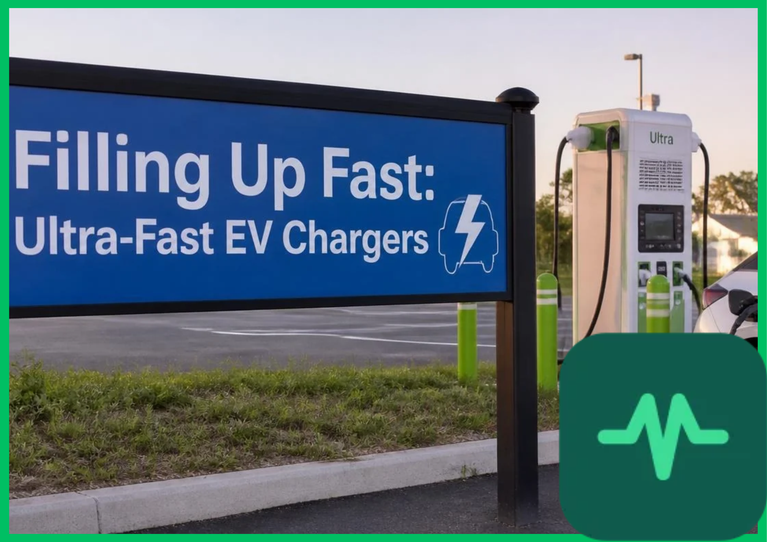
Even owners with excellent home charging setups still need reliable public charging for longer trips beyond their car's comfortable daily range. This is where continued investment in fast, reliable public charging along major travel routes remains genuinely essential.
This distinction, everyday charging happening mostly at home, longer trips depending on public infrastructure, helps clarify why both types of charging deserve continued, serious investment, rather than treating them as competing priorities.
What this means if you're considering an electric car yourself
If you have reasonably convenient access to home charging, your day-to-day experience will likely look considerably simpler than public charging statistics alone might suggest, since your car will typically just be ready each morning without any active effort required from you.
If home charging isn't realistically available to you, it's worth researching public charging availability specifically in your area before assuming your experience will match what a home-charging owner typically describes.
Why this quiet reality deserves more attention
Public charging stations make for a much more visible, easily photographed symbol of electric vehicle infrastructure. Home charging, happening quietly overnight in millions of individual driveways and garages, rarely gets the same attention, despite being where most actual charging genuinely happens.
The bottom line
Despite the attention public charging stations receive, most electric car charging worldwide actually happens quietly at home, overnight, without any active effort from the owner. With more than 43 million private charging points already supporting roughly 76 million electric cars, this quiet, convenient pattern represents the genuine daily reality for a large share of current owners.
Public charging remains genuinely essential too, particularly for those without home charging access and for longer trips beyond typical daily range. Understanding both pieces together gives a genuinely complete, honest picture of how electric car charging actually works in practice.
Comments (0)
Login to leave a comment.
No comments yet. Be the first to share your thoughts!