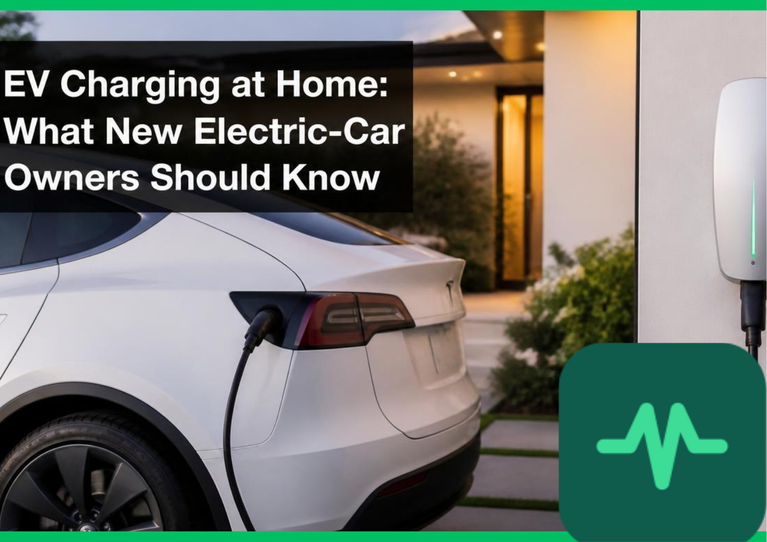
Why Home Charging Matters
One of the biggest changes with owning an electric car is how you refuel it. Instead of visiting a petrol station, many owners simply charge while parked. That often happens right at home.
For many drivers, EV charging at home becomes part of their normal routine. The car parks overnight. The charger connects. The vehicle is ready by morning. It can be surprisingly easy once the setup is in place.
What Is Home EV Charging?
Home charging means using electricity from your own house to recharge an electric vehicle. The simplest method may use a standard household outlet, where local rules allow it.
Dedicated EV charging equipment, though, offers faster results. The right setup depends on your vehicle, your home's electrical system, and local regulations. Not every home needs the same solution.
Different Types of Chargers
EV charging equipment generally falls into different power levels. The exact names vary between countries, but the idea stays the same.
Some options charge relatively slowly. Others deliver much more power. For home use, many drivers choose dedicated AC charging equipment. The logic is simple: more power usually means faster charging.
Do You Need a Dedicated Charger?
Not necessarily. Some EV owners use an ordinary household outlet where local electrical standards permit it.
Dedicated equipment still offers real advantages, though. It can deliver more power. It often includes extra safety and monitoring features too. Have a qualified electrician assess your specific installation before deciding.
How Long Does Home Charging Take?
Charging time depends on several factors working together:
- Battery size
- Charger power
- Vehicle charging capability
- Starting battery level
- Electrical supply
A smaller battery often charges faster than a larger one under the same conditions. So always think about charging time alongside battery size, not one without the other.
Overnight Charging
For many EV owners, overnight charging fits naturally into daily life. The car sits parked for several hours anyway. Even relatively slow charging adds significant energy over that stretch of time.
This is exactly why home charging works so well for drivers with predictable daily journeys. Plug in at night, drive off fully charged the next morning.
How Much Does It Cost?
Cost depends on your local electricity price and how much energy you actually use. Say your EV uses a certain number of kilowatt-hours for a trip. You can estimate the cost using your local electricity rate.
Household bills often include fixed charges, taxes, and other fees too, though. Look at your actual electricity tariff rather than a rough estimate alone.
Smart Charging
Smart charging lets you manage charging more intelligently. Some systems schedule charging automatically. Charging might happen during a lower-cost period, where time-based electricity pricing exists.
Some systems also coordinate with solar generation directly. This helps households make better use of the electricity they already produce, rather than wasting it.
Solar Panels and EV Charging
If you have rooftop solar, consider using that electricity to charge your EV directly. This increases how much self-generated power you actually use at home.
Solar generation shifts throughout the day, though. Charging needs shift too. A smart energy-management system can help coordinate the two automatically, so you're not manually timing anything yourself.
Home Charging and Safety
Electrical safety should never get overlooked. Charging equipment should be installed according to local electrical rules, no shortcuts. Damaged cables should never be used, full stop.
Use equipment approved for your specific vehicle and electrical system. When installation is required, let a qualified professional handle the work rather than attempting it yourself.
Apartment Living
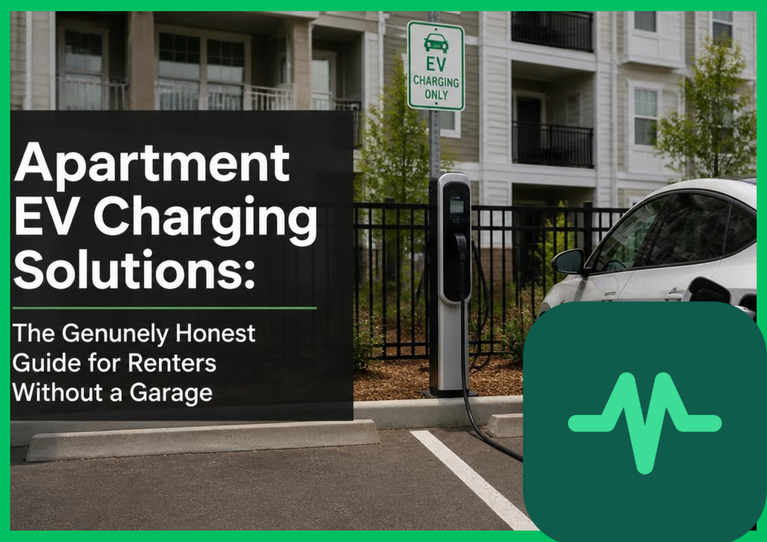
Home charging can be trickier for apartment residents. Parking spaces aren't always connected to a private electrical supply.
Solutions are developing, though. Apartment buildings can install shared chargers for residents. Property managers can explore managed charging systems too. The real issue here is usually infrastructure, not the technology itself.
What If You Cannot Charge at Home?
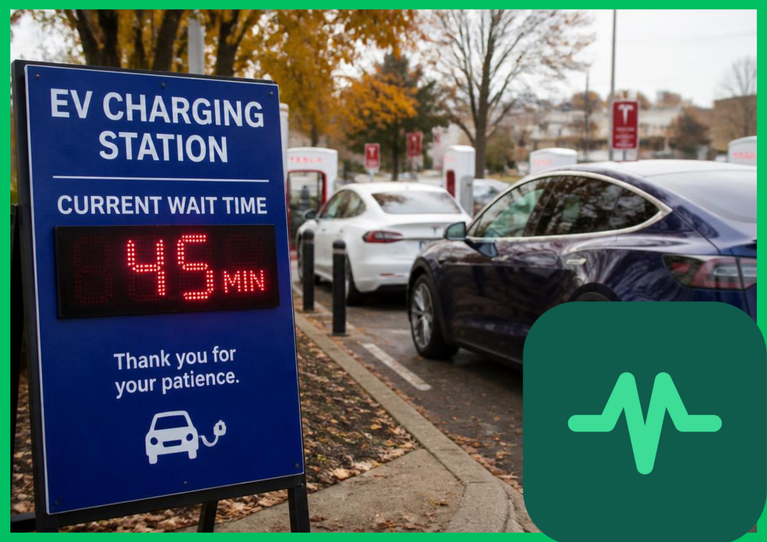
You can still own an EV without home charging. Public charging networks offer another path. Workplace charging may be available too. Some shopping centers and other destinations now offer chargers as well.
Public charging comes with different pricing and availability, though. Understand your local charging network before buying an EV, not after.
Should You Charge Every Night?
Not necessarily. Charging habits depend on your daily driving. Someone traveling only a short distance may not need to charge every single night.
A driver with a long daily commute may need more frequent charging instead. The real goal is building a routine that fits your actual usage, not following someone else's habit.
Home Charging and Battery Health
Modern EVs include sophisticated battery-management systems built in. Follow your manufacturer's specific charging recommendations closely.
Different vehicles have different guidance for everyday charging versus long-distance trips. There's no single charging rule that applies perfectly to every EV, so check your owner's manual rather than assuming.
EcoGreenPulse View
EV charging at home can be one of the biggest advantages of electric-car ownership. Instead of making a special trip to refuel, drivers often charge while the vehicle sits parked anyway.
Still, consider your home's electrical capacity, your charging equipment, your electricity tariff, and your parking situation before installation. These details shape whether home charging actually works well for you.
Conclusion
Home charging doesn't need to be complicated. Start by understanding your vehicle. Then check your home's electrical setup. Compare charging options available to you. Understand your real electricity costs. Finally, make safety the priority throughout.
For many drivers, EV charging at home turns electric-car ownership into a simple, almost invisible daily routine.
Sources: International Energy Agency resources on electric vehicles and charging infrastructure.
Comments (0)
Login to leave a comment.
No comments yet. Be the first to share your thoughts!