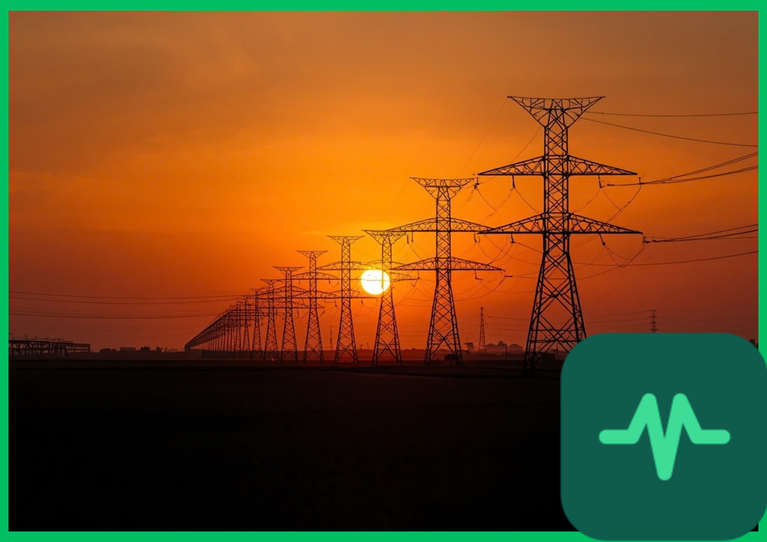
It powers our homes, charges our vehicles, lights our streets, and runs our hospitals. Yet much of this critical infrastructure was built decades ago for a simpler, fossil-fuel-driven era.
Today, that legacy grid is showing deep cracks.
As extreme weather events multiply and millions of intermittent solar panels and wind turbines connect to the system, power networks face unprecedented strain.
Governments worldwide are issuing urgent grid modernization mandates to overhaul this aging infrastructure.
Here is why policy frameworks are driving massive investments into smart, resilient power grids.
The Strain on Legacy Infrastructure
Our traditional power grids were designed for one-way traffic. Massive coal or gas plants generated electricity at a central location, pushing power outward to passive consumers.
Modern energy looks entirely different.
Millions of homeowners have installed rooftop solar panels, feeding surplus energy back into the local distribution lines. Electric vehicle chargers pull massive loads unpredictably across neighborhoods.
When a heatwave hits, air conditioning demand spikes simultaneously, pushing transformers past their thermal limits.
Legacy transmission lines sag under high heat, and old substations fail, triggering widespread blackouts that leave communities stranded.
We cannot run a 21st-century clean energy economy on a 20th-century electrical grid.
Smart Grid Policy Frameworks
Upgrading national and regional power grids requires coordinated government policy.
Grid modernization mandates establish new regulatory standards for security, capacity, and technological integration. Governments are setting legal frameworks that require utility companies to adopt digital automation, advanced sensors, and high-capacity transmission lines.
A smart grid uses digital communication technology to monitor and manage electricity flows in real time.
If a transformer fails or a tree knocks down a line, smart grid switches automatically reroute power around the damaged section within milliseconds, keeping lights on for neighboring blocks.
Expanding Transmission and Interconnections
Clean energy resources are often located far away from major population centers.
The windiest plains, the sunniest deserts, and the strongest hydroelectric rivers sit miles away from urban hubs.
Modernizing the grid requires massive investment in high-voltage transmission expansion to move clean power efficiently across regions.
Furthermore, interconnecting regional grids creates a massive safety net. If a cloud bank blocks solar production in one state or province, neighboring regions can instantly transmit excess wind or hydro power across the network, ensuring continuous grid stability.
Securing Our Energy Future
Electrical grid modernization is not just an engineering challenge; it is a vital foundation for global climate action.
Without smart, flexible, high-capacity transmission networks, renewable energy cannot scale to meet global demand.
By establishing robust policy frameworks and investing heavily in resilient infrastructure, governments are ensuring that our power grids can weather any storm while delivering 100% clean energy to every home.


Comments (0)
Login to leave a comment.
No comments yet. Be the first to share your thoughts!