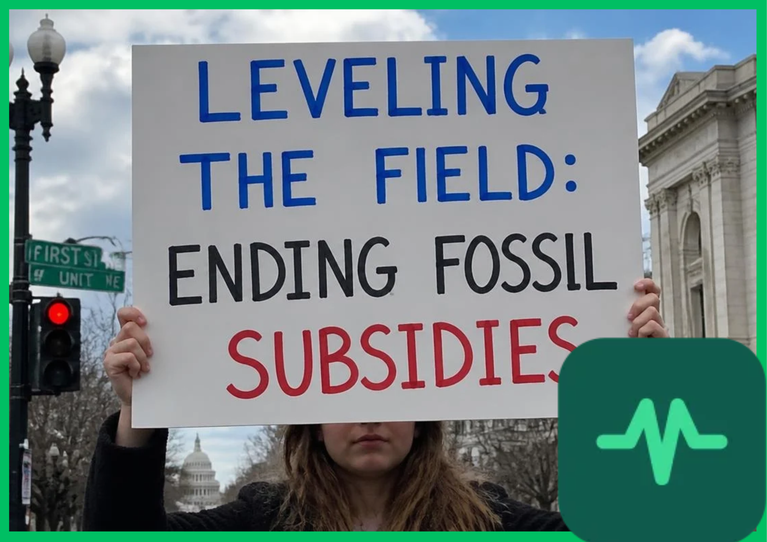
You sigh as you see the rising costs of electricity, heating oil, and gasoline eating away at your family savings.
You work hard for your money. You try to live responsibly, conserve energy, and do your part to protect the earth.
Then you discover something that makes your blood run cold.
Every single year, governments across the globe pour trillions of dollars of public tax money directly into the pockets of giant fossil fuel corporations.
Your hard-earned tax dollars subsidize the very oil, coal, and gas companies polluting our shared atmosphere.
It feels like a sick joke.
You are paying twice.
You pay at the gas pump and on your utility bills, and then you pay again through your taxes to keep dying oil companies artificially profitable.
For generations, the global economic system rewarded fossil fuel giants with massive government handouts.
Those subsidies made dirty oil and gas look cheap on paper, while clean renewable energy had to fight for survival against a stacked deck.
We cannot build a sustainable clean energy future while propping up fossil fuels with public cash.
What if governments stopped funding pollution?
What if every dollar of taxpayer money went toward building clean solar power, efficient homes, and sustainable transport instead?
A quiet, massive economic revolution is challenging how public money is spent across the globe.
According to global energy reports from the International Energy Agency (IEA), environmental governance frameworks from the United Nations Environment Programme (UNEP), efficiency benchmarks from ENERGY STAR, and academic economic research, global fossil fuel subsidies phase-out initiatives are changing our world.
By eliminating dirty energy backing, we level the playing field for clean renewable power and return public funds to the people.
Here is how fossil subsidies work, why economic reform changes industrial behavior, and how leveling the field secures our sustainable future.
The Hidden Handouts Keeping Oil Alive
To understand why ending fossil fuel subsidies matters so much, you have to look at the staggering scale of government handouts flowing to the oil and gas industry.
For decades, governments justified those subsidies as a way to keep energy affordable for working families.
In reality, the vast majority of public cash flows straight into record corporate profits for multinational oil conglomerates.
Trillions of dollars vanish into tax breaks, cheap land leases, exploration grants, and artificial price supports every single year.
That massive financial backing creates a distorted market.
It makes fossil fuels look artificially cheap, hiding the true environmental and health costs of burning coal and oil.
Skeptics once argued that removing fossil fuel subsidies would trigger sudden economic chaos and spike consumer energy prices overnight.
Economics, climate research, and real-world policy reforms proved the skeptics wrong.
When governments phase out subsidies gradually and redirect those funds into direct cash dividends for citizens or clean energy grants, society benefits immediately.
We stop rewarding pollution. We start rewarding progress.
What Is a Fossil Fuel Subsidy Phase-Out?
A global fossil fuel subsidy phase-out is an economic policy reform designed to eliminate government financial support, tax loopholes, and artificial price guarantees for oil, coal, and gas production, leveling the market so that clean renewable energy competes on fair terms.
Instead of propping up old, polluting infrastructure with public money, governments redirect those financial resources toward sustainable investments.
A true phase-out involves two critical steps:
- Eliminating Production Backing: Canceling direct government grants, tax write-offs for oil drilling, and cheap exploration rights on public lands.
- Targeting Consumer Support: Replacing broad, inefficient fuel price caps with direct, targeted financial assistance for low-income households, ensuring vulnerable citizens are protected while dirty energy loses its artificial price advantage.
When public money stops flowing into oil wells, capital flows naturally into solar panels, wind farms, and home energy upgrades.
The Science of Market Reform and Economic Efficiency
How does ending government handouts for oil companies change the physical energy systems powering our homes and factories?
It comes down to basic supply and demand economics.
Academic economic research shows that when fossil fuels lose their artificial price supports, their market cost reflects their true economic reality.
Dirty coal and gas become more expensive to burn.
That price shift sends an instant signal to industrial executives, power plant operators, and manufacturing companies.
Keeping an old coal boiler running or buying a gas-guzzling fleet of trucks stops making financial sense.
Businesses rush to invest in clean electric heat pumps, solar arrays, and high-efficiency machinery to cut their operating costs.
According to ENERGY STAR and international industrial efficiency evaluations, industries operating in fair markets without fossil subsidies audit their energy use twice as often and upgrade their equipment much faster than companies cushioned by government handouts.
Financial fairness drives industrial efficiency.
Environmental Integrity and Global Equity
The benefits of phasing out fossil fuel subsidies extend far beyond balancing national budgets or leveling corporate competition.
They provide the financial rocket fuel needed to accelerate the global clean energy transition.
According to UNEP resource governance frameworks, redirecting trillions of dollars in fossil subsidies toward sustainable infrastructure creates millions of new green jobs in local communities worldwide.
When developing nations eliminate dirty energy backing, they avoid locking themselves into decades of expensive imported oil and gas dependency.
Instead, emerging economies leap straight into modern, decentralized solar and wind grids.
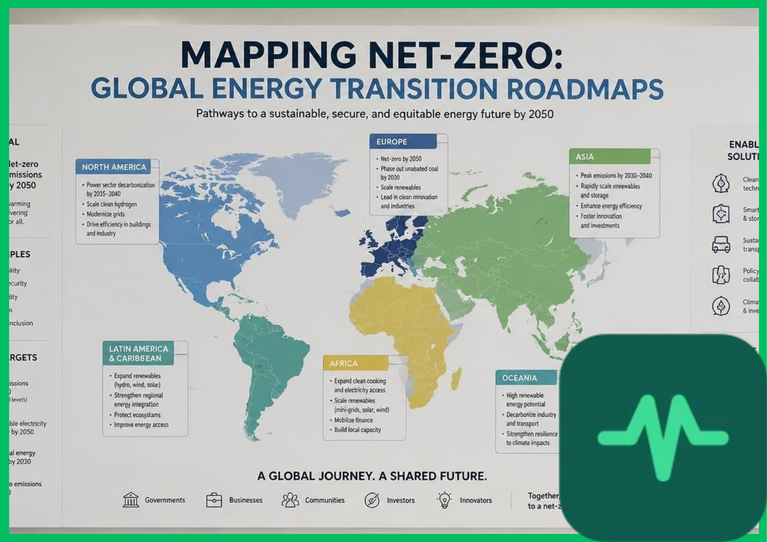
According to IEA clean energy roadmaps, ending fossil fuel subsidies is the single most powerful financial policy lever governments can pull to achieve global net-zero emissions targets.
When public money stops backing pollution, the entire global economy tilts toward sustainability.
Overcoming Political Realties
Executing a global fossil fuel subsidy phase-out involves navigating intense political lobbying from powerful oil and gas interests.
Fossil fuel companies fight fiercely to protect their tax breaks, claiming that subsidies are essential for national energy security.
Governments overcome this resistance by communicating clearly with the public, showing citizens how redirected tax funds improve public health, lower utility bills through energy efficiency, and fund clean public transit.
As more nations successfully reform their energy budgets and watch their local economies thrive without oil backing, political resistance crumbles.
Leveling Our Field Toward a Sustainable Future
Ending fossil fuel subsidies proves that economic policy and environmental protection must walk hand in hand.
We no longer have to accept that our tax dollars should fund the destruction of our shared atmosphere.
By eliminating dirty energy backing and leveling the market for clean technology, we unleash the true power of human innovation.
We step away from artificial fossil fuel dependence, embracing a fair, efficient, and enduring standard of global commerce.
Through brilliant economic design, rigorous academic research, and a deep respect for our planetary home, leveling the field secures a clean, bright, and sustainable future for every person on Earth.

Comments (0)
Login to leave a comment.
No comments yet. Be the first to share your thoughts!