
You look up at the horizon. In the distance, white wind turbine blades spin slowly against the blue sky, catching the breeze.
On nearby rooftops, dark solar panels catch the sunlight, generating clean electricity without a single sound or puff of smoke.
Clean energy surrounds us more every single day.
For generations, humanity ran entirely on fossil fuels. We burned coal, oil, and gas to power our homes, fuel our factories, and light our cities.
We accepted that energy had to be dirty, toxic, and finite.
That old, carbon-heavy system brought our planet to the edge of an ecological crisis.
Transitioning away from fossil fuels is no longer just a nice idea. It is an absolute necessity for survival.
Why did it take so long for clean energy to scale up?
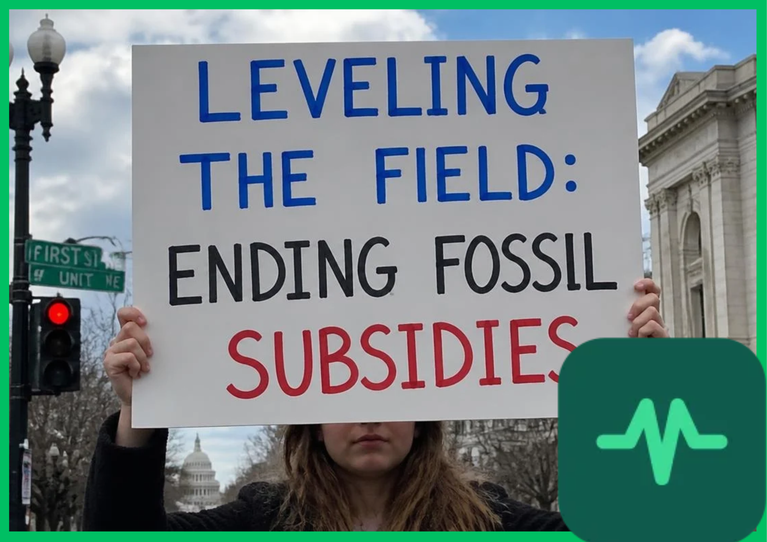
For decades, the market played favorites. Fossil fuels enjoyed decades of established infrastructure, massive subsidies, and entrenched supply chains.
Solar and wind power had to fight uphill battles just to compete.
To level the playing field, the world needed rules. We needed legal frameworks that forced energy markets to clean up their act.
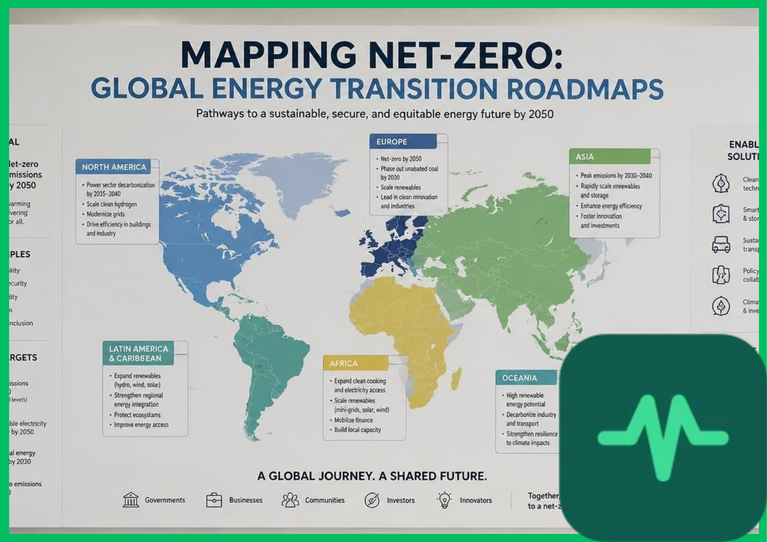
A quiet legal revolution is rewriting the energy rules across the globe.
According to tracking reports from the International Energy Agency (IEA), environmental governance frameworks from the United Nations Environment Programme (UNEP), energy efficiency standards from ENERGY STAR, and academic policy research, global renewable energy mandates are transforming power grids worldwide.
By setting binding targets, enforcing grid decarbonization timelines, and phasing out fossil fuels through law, global mandates accelerate the clean energy transition.
Here is how international policy frameworks work, why binding targets change utility behavior, and how legal mandates secure a sustainable future.
The Slow Pace of Voluntary Change
To understand why global mandates are necessary, you have to look at why voluntary corporate promises fell short.
For many years, governments relied on good intentions.
Energy utilities and industrial corporations promised to reduce their emissions whenever it felt convenient or profitable.
Corporate boards held press conferences announcing ambitious, multi-decade climate goals.
When quarterly financial reports arrived, however, executives faced immediate pressure to cut costs and maximize short-term profits.
Burning cheap coal or gas often remained cheaper on paper than investing in modern wind farms or utility-scale battery storage.
Voluntary pledges had zero teeth. If a company missed a voluntary climate target, nothing happened. No fines were levied. No licenses were revoked.
Emissions kept rising. Global temperatures kept climbing.
We learned a hard lesson. You cannot ask a system built on extraction to voluntarily dismantle itself.
You have to change the legal rules of the game.
What Are Global Renewable Energy Mandates?
Global renewable energy mandates are binding legal requirements established by governing bodies to enforce clean power generation.
Instead of asking utilities if they want to build green energy, mandates require them to do so by law.
These legal frameworks operate on several powerful levels:
- Renewable Portfolio Standards (RPS): Binding laws requiring electricity providers to source a minimum percentage of their total power from renewable generation like solar, wind, and geothermal.
- Fossil Fuel Phase-Out Timelines: Legal deadlines that ban the construction of new coal-fired power plants and mandate the permanent retirement of existing carbon-heavy facilities.
- Grid Decarbonization Targets: Government-backed milestones that require entire regional power networks to reach zero-emission electricity generation by specific calendar years.
When a government sets a legal mandate with severe financial penalties for non-compliance, corporate boardrooms listen immediately.
How Binding Targets Change Utility Behavior
The true power of a legal mandate lies in how it alters corporate risk and financial planning.
When an energy utility operates under a strict renewable portfolio standard, its engineers and financial planners can no longer treat wind and solar as optional side projects.
Clean energy becomes a core compliance requirement.
Utilities must project energy demand decades into the future and build out renewable generation capacity to meet upcoming legal deadlines.
Academic policy research shows that binding targets create long-term market certainty.
When renewable energy developers know that governments have locked in multi-year clean energy quotas, they invest billions of dollars in manufacturing facilities, supply chains, and workforce training.
Investors stop pouring capital into risky new fossil fuel projects because they know those assets will become stranded liabilities before they can pay for themselves.
According to IEA energy transition assessments, regions with binding renewable mandates accelerate their green energy deployment at double the speed of regions relying purely on voluntary market forces.
Overcoming Policy Hurdles and Ensuring Global Fairness
Implementing renewable mandates on a global scale requires careful coordination and universal cooperation.
Different nations face vastly different economic conditions, resource availability, and historical energy dependencies.
A developing nation that relies on cheap domestic coal to lift its population out of energy poverty cannot simply flip a switch and transition overnight without financial and technical support.
UNEP governance guidelines emphasize that global climate policies must be fair, equitable, and flexible.
International climate agreements provide financial aid, technology transfers, and capacity-building resources to help emerging economies leapfrog the fossil-fuel era entirely.
Furthermore, international efficiency standards—like those promoted by ENERGY STAR—ensure that appliance manufacturing, building codes, and industrial equipment meet high efficiency baselines worldwide.
When every nation adopts harmonized standards, green technology becomes cheaper, more accessible, and universally compatible.
Building a Renewable Future Through Law
Global renewable energy mandates prove that human governance can be a powerful instrument for planetary healing.
We no longer have to rely solely on hope or corporate charity to protect our atmosphere.
By setting binding targets, enforcing grid decarbonization timelines, and phasing out fossil fuels through law, we harness the full authority of public policy to drive clean innovation.
Polluting our shared sky becomes illegal. Building clean, renewable power networks becomes the standard operating procedure for every nation on Earth.
Through smart legal frameworks, international cooperation, and unwavering human resolve, global mandates accelerate our journey toward a breathable, thriving, and fully renewable future.


Comments (0)
Login to leave a comment.
No comments yet. Be the first to share your thoughts!