Almost every household depends on energy. We need electricity for lighting. We need it for refrigeration. We use energy for cooking, cooling, heating, and communication too. Transport depends heavily on energy as well.
Because of this, changes in energy prices have a direct effect on household budgets. When prices rise, families feel real pressure. When prices fall, households get a bit more breathing room. But what actually causes these changes in the first place?
Energy Prices Are Not Controlled by One Factor
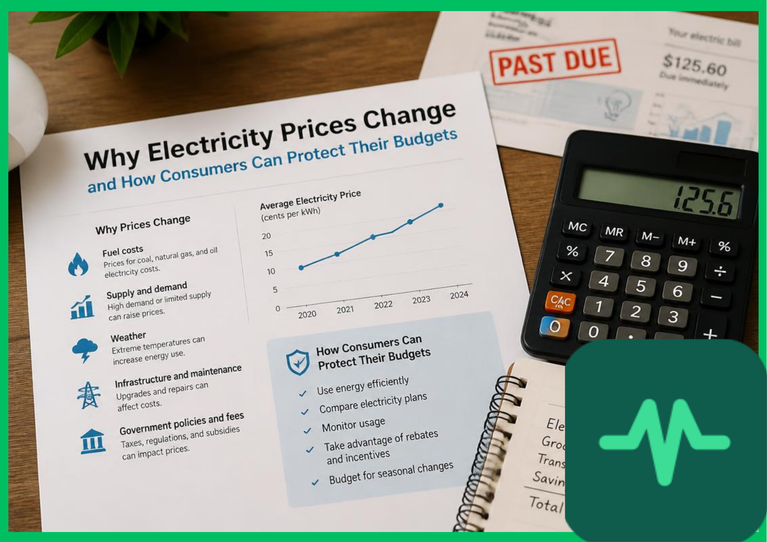
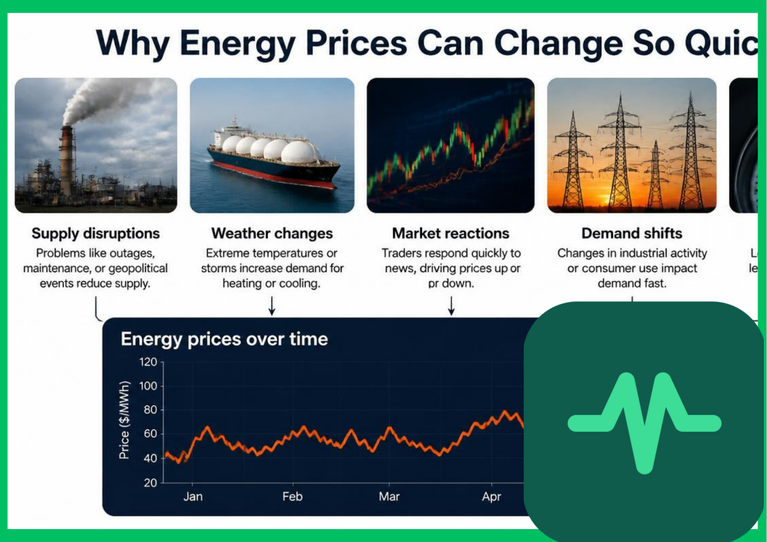
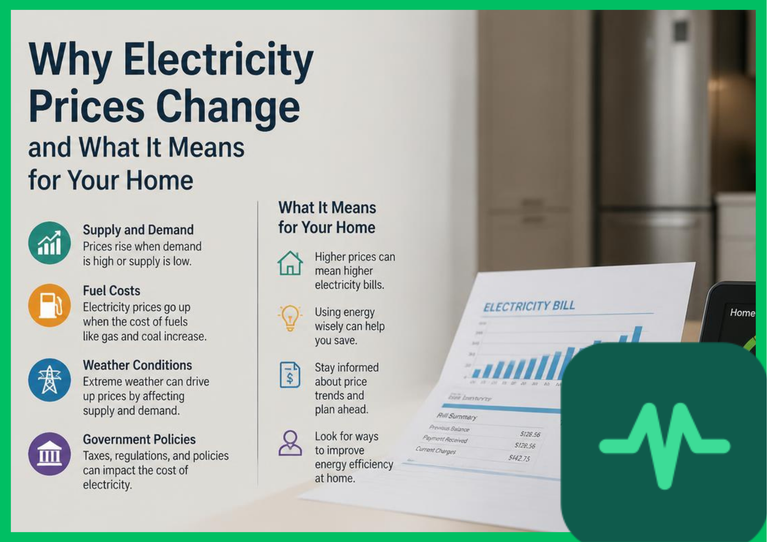
There's no single reason behind changing energy prices. Several forces work together at once. These include:
- Fuel prices
- Electricity demand
- Weather
- Supply shortages
- Energy infrastructure
- Government policy
- Global events
- Market rules
The overall effect differs from one country to another too. What drives prices up in one market might barely matter in another.
Fuel Prices Matter
Coal, natural gas, and oil remain important parts of global energy systems. When their prices rise, the cost of producing and transporting energy often rises right alongside them.
Countries that import large amounts of fuel can be particularly exposed to international price swings. This is exactly why energy security has become such an important policy issue for governments worldwide.
Demand Can Push Prices Higher
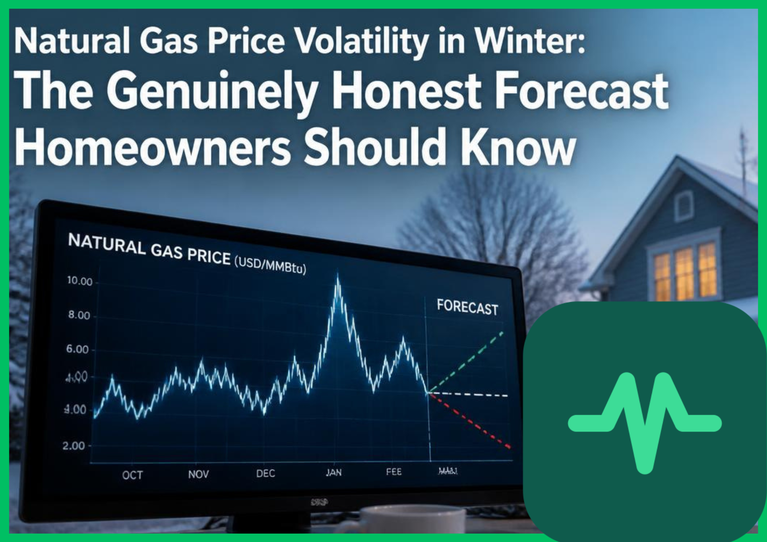
Electricity demand shifts throughout the day. It shifts throughout the year too. Hot weather increases air-conditioning use. Cold weather increases heating demand.
When many consumers need electricity at the same time, power systems come under real pressure. That pressure can push market prices higher, sometimes sharply.
Renewable Energy Can Change the Market
Solar and wind power don't require fuel the way fossil-fuel power plants do. Once a renewable project is up and running, its electricity generation isn't directly tied to the price of coal or gas.
This reduces exposure to fuel-price volatility in a meaningful way. Renewable energy still requires real investment, though. Power grids need to expand to handle it. Storage and flexibility are becoming increasingly important pieces of the puzzle too.
Solar Production Changes During the Day
Solar power is strongest when sunlight is available, meaning generation runs high during daylight hours. Electricity demand, though, often stays high well after sunset.
Energy storage helps move electricity from one period to another, bridging that gap. This is exactly why batteries are becoming increasingly important in modern electricity systems.
Electricity Grids Affect Costs
Electricity has to travel from where it's made to where it's used. That requires transmission and distribution networks. Those networks need investment. They need ongoing maintenance too.
As more renewable energy and electric vehicles get added to the system, some grids need real upgrades to keep up. Those upgrade costs eventually show up in consumer bills.
Government Policies Matter
Governments shape household energy costs through taxes, subsidies, regulations, and support programs. Some countries offer assistance when energy costs spike. Others use entirely different pricing systems altogether.
Understanding how your local energy market actually works helps make sense of your own bill, rather than assuming it works the same everywhere.
What Can Households Do?
Consumers can't control global energy markets. They can reduce their own exposure, though. Energy efficiency is one of the most practical options available.
Efficient appliances use less electricity. Good insulation reduces heating and cooling demand. Smart controls cut unnecessary consumption automatically. Solar power can also reduce how much electricity you need to buy from the grid, where conditions are favorable.
Understand Your Electricity Bill
Many consumers focus only on the final total. That habit hides genuinely useful information, though.
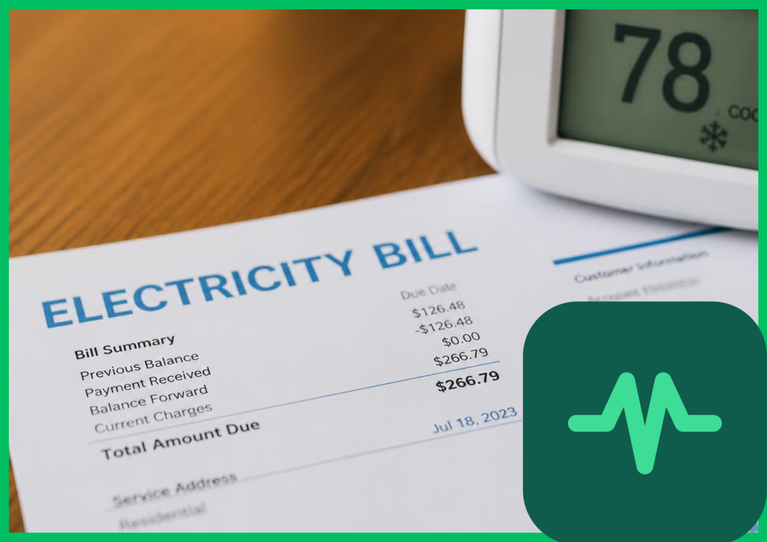
Look at the bill carefully. Check how much electricity you actually used. Check the unit price you're being charged. Look for fixed charges buried in the fine print. Check taxes and other fees too. Understanding these individual pieces makes it far easier to spot real opportunities for savings.
Smart Meters Can Help
A smart meter provides much more detail about electricity consumption than an old-style meter ever could. This helps households identify real patterns in their own usage.
Electricity use might be highest during evening hours, for instance, something you'd never know without detailed data. Once consumers understand their own consumption, they can make genuinely better decisions about it.
Energy Efficiency Is a Long-Term Strategy
Don't think only about today's energy price when making improvements. A more efficient home stays useful even as prices rise and fall over time.
Efficient appliances consume less energy, year after year. Good building design reduces cooling and heating demand permanently. These improvements deliver benefits for years, not just for one billing cycle.
Electric Vehicles and Energy Prices
EV owners are becoming a new category of energy consumer. Charging an electric car adds real demand to household electricity use.
Electricity can still work out cheaper than petrol or diesel on an energy-cost basis in many markets, though. The exact result depends on local prices and how efficient the vehicle actually is. Smart charging can help further, letting consumers take advantage of lower-cost electricity periods where such tariffs exist.
Energy Storage
Home batteries offer another option worth considering. A battery stores electricity for later use, whenever it's actually needed.
Some households pair batteries with solar systems directly. Others use them purely to manage time-based electricity prices. Batteries are expensive, though, so calculate the real financial case carefully before buying one rather than assuming it will pay off automatically.
EcoGreenPulse View
Changing energy prices can feel genuinely stressful. Consumers have more options than they did in the past, though.
Energy efficiency, solar power, smart meters, batteries, and flexible electricity use can all help households manage energy more intelligently, even amid market swings nobody can fully control.
Conclusion
Energy prices get shaped by a complex mix of supply, demand, fuel costs, infrastructure, and government policy working together. Consumers can't control all of these factors.
They can control some of their own energy use, though. Understanding your electricity bill is a good starting point. Improving efficiency is another. As homes become more connected, and as electricity becomes more central to transportation and heating alike, energy awareness will only grow more valuable for everyday households.
Sources: International Energy Agency energy-market and energy-efficiency resources.
Comments (0)
Login to leave a comment.
No comments yet. Be the first to share your thoughts!