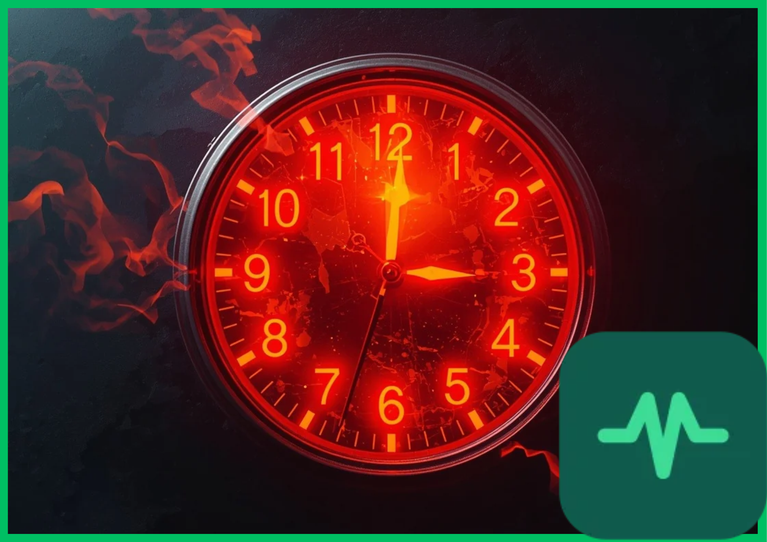
You reach out to flip on the dishwasher.
You pause for a second, wondering what that load of laundry or cycle of dishes is going to cost you on your utility bill this month.
For generations, electricity pricing operated on a lazy, unchanging rule.
Power cost the exact same flat rate whether you used it at three o'clock in the morning when the neighborhood slept, or at six o'clock in the evening when every household turned on their air conditioners at once.
That flat-rate billing hid the messy reality of how power grids actually work.
Energy generation changes minute by minute.
When millions of people demand electricity simultaneously, power companies must fire up expensive, polluting backup peaker plants just to keep the lights on.
That peak demand surge drives up electricity bills and pumps massive waves of carbon pollution into our shared atmosphere.
We cannot build a clean energy future while treating electricity as a flat-rate commodity that never changes value.
What if your electricity bill rewarded you for using power when the sun shines and the wind blows?
What if smart pricing encouraged you to chase the clock, running heavy appliances when clean energy is cheap and abundant?
A quiet, brilliant digital revolution is transforming energy markets across the globe.
According to global energy reports from the International Energy Agency (IEA), resource governance frameworks from the United Nations Environment Programme (UNEP), efficiency benchmarks from ENERGY STAR, and academic smart grid research, dynamic electricity pricing for residential homes is changing our domestic energy landscape.
By shifting household electricity loads away from peak hours using real-time price signals, we balance electrical grids and slash household power bills.
Here is how dynamic pricing works, why time-of-use power tariffs change consumption economics, and how chasing the clock secures our sustainable future.
The Hidden Waste of Flat-Rate Power Tariffs
To understand why dynamic electricity pricing matters so much, you have to look at the severe inefficiency of traditional flat-rate billing.
For decades, electric utilities charged consumers a single fixed price per kilowatt-hour around the clock.
Because consumers never saw the real-time cost of electricity, they had no financial reason to shift their energy use away from peak demand hours.
Every evening around sunset, a massive wave of electricity demand hits regional grids.
Families arrive home, cook dinner, turn on televisions, and crank up their heating or air conditioning.
To meet that sudden surge, utility operators fire up fossil-fueled peaker plants that cost a fortune to run and emit staggering volumes of carbon dioxide.
Skeptics once argued that everyday consumers would never bother changing their daily habits to match fluctuating power prices.
Smart grid trials and behavioral economics research proved those skeptics wrong.
When households receive clear price signals, they adapt quickly.
People want to save money while helping the environment.
What Is Dynamic Electricity Pricing?
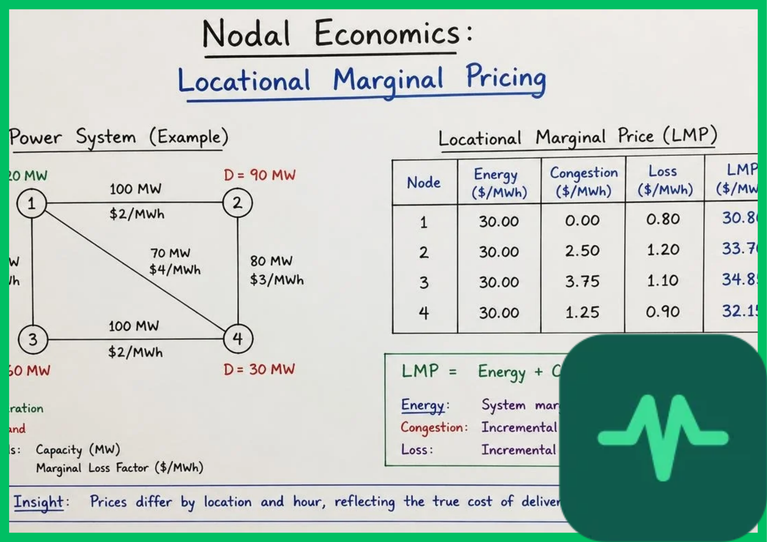
Dynamic electricity pricing is an advanced utility billing structure where the cost of electricity changes in real time or across distinct time-of-use blocks, reflecting the actual wholesale supply and demand conditions on the regional power grid.
Instead of paying a flat rate all day long, consumers face shifting tariffs:
- Off-Peak Hours: Late at night and during midday when wind and solar generation peaks, electricity prices drop to their lowest levels, sometimes even turning negative when clean power floods the grid.
- Peak Hours: During late afternoon and early evening when everyone demands power simultaneously, electricity prices rise sharply to discourage unnecessary consumption.
- Real-Time Adjustments: Smart meters communicate directly with regional wholesale markets, updating household rates dynamically as weather and grid conditions shift.
You do not have to sit by your meter watching prices change.
Smart home automation handles the timing for you.
The Science of Load Shifting and Smart Grid Automation
How does shifting household energy usage across different hours of the day protect regional power grids and lower family utility bills?
It comes down to peak demand management and automated load shifting.
Academic smart grid research shows that flattening peak electrical demand reduces the need to build expensive new power plants and eliminates the most polluting fossil-fuel peaker generators from the grid.
When dynamic pricing signals indicate high prices during peak evening hours, smart home devices respond automatically.
Your electric vehicle charger pauses its session, your heat pump modulates its temperature cycle gently, and your smart washing machine delays its spin cycle until midnight when wind energy peaks and prices plummet.
According to ENERGY STAR and international appliance efficiency evaluations, households participating in time-of-use and dynamic pricing programs reduce their annual electricity spending by 15% to 25% simply by automating flexible loads.
Energy is consumed when it is cleanest and cheapest.
Environmental Integrity and Grid Decarbonization
The environmental benefits of dynamic electricity pricing extend far beyond lowering family utility bills or saving money on monthly power statements.
They provide a vital mechanism to integrate high shares of variable renewable energy into our power systems.
According to UNEP resource governance frameworks, aligning energy consumption with renewable generation output prevents curtailment—the wasteful practice of shutting down wind and solar farms when grid demand cannot absorb their power.
When dynamic pricing encourages consumers to use electricity precisely when solar panels and wind turbines produce a surplus, clean energy gets utilized rather than thrown away.
According to IEA clean energy roadmaps, scaling up smart demand-response pricing is an essential pillar to achieve global net-zero emissions targets.
When energy markets speak the language of the grid, our entire civilization operates with greater efficiency and harmony.
Overcoming Consumer Awareness and Automation Realties
Scaling dynamic electricity pricing from pioneering utility pilot programs into universal global practice involves navigating real-world communication and consumer education hurdles.
If electricity prices fluctuate unpredictably without automated tools, consumers can feel anxious and confused about when to run basic household appliances.
Utilities, software developers, and smart appliance manufacturers solve this challenge by embedding automated scheduling software into thermostats, EV chargers, and water heaters, allowing homeowners to set simple comfort preferences while algorithms handle the price chasing behind the scenes.
As digital smart meters become universal and home energy management apps mature, dynamic pricing is transitioning from a specialized utility experiment into standard residential energy management worldwide.
Chasing Our Clock Toward a Sustainable Future
Dynamic electricity pricing proves that smart economic signals can align our daily household habits with the natural rhythms of clean energy generation.
We no longer have to accept that powering our homes requires burning fossil fuels during peak evening hours or ignoring the real-time cost of electricity.
By matching our energy use to real-time market signals and automating heavy appliances to run when renewable power is abundant, we take control of our energy consumption.
We step away from wasteful power habits, embracing a smart, responsive, and enduring standard of domestic energy management.
Through brilliant smart grid engineering, rigorous academic research, and a deep respect for our planetary climate, chasing the clock secures a clean, affordable, and sustainable future for every household on Earth.

Comments (0)
Login to leave a comment.
No comments yet. Be the first to share your thoughts!