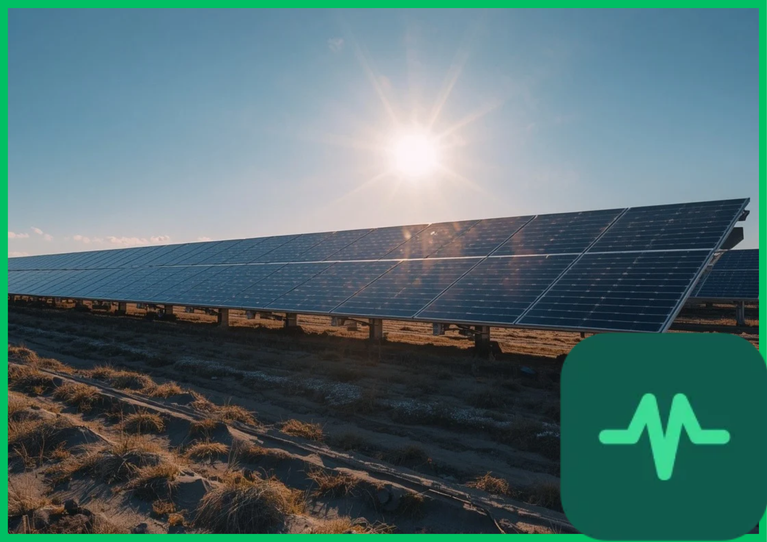
Above you, a vast sea of solar panels tilts silently toward the sun, capturing golden rays and converting them into clean electricity.
All around you, invisible rivers of power surge through high-voltage transmission lines, lighting homes, powering businesses, and running hospitals miles away.
It feels like magic.
Then, a heavy cloud passes overhead.
For a brief moment, power generation dips.
Worse still, look at what happens twelve hours later.
The sun sets below the horizon. Darkness falls across the land.
Solar generation drops immediately to absolute zero.
At that exact same moment, millions of families return home from work. They turn on lights, heat dinner, and plug in electric vehicles.
Energy demand spikes vertically just as clean solar power vanishes.
For decades, this intermittency problem was the Achilles' heel of renewable energy.
Skeptics argued we could never rely entirely on wind and solar power because the sun does not always shine and the wind does not always blow.
They claimed we needed fossil-fuel power plants running around the clock just to keep the lights on when nature rested.
Those skeptics missed a quiet, monumental engineering revolution.
According to global energy reports from the International Energy Agency (IEA), resource sustainability frameworks from the United Nations Environment Programme (UNEP), efficiency benchmarks from ENERGY STAR, and academic electrical grid research, utility-scale battery energy storage systems are changing everything.
By capturing surplus renewable energy during peak generation hours and holding it safely until demand spikes, massive battery arrays bridge the gap between nature and human need.
Here is how grid-scale storage works, why massive battery installations stabilize regional power networks, and how energy arbitrage secures our sustainable future.
The Intermittency Challenge of Clean Energy
To understand why utility-scale battery storage matters so much, you have to look at the physical physics of electrical grids.
Electricity is unlike any other commodity.
You cannot box it up in a warehouse or store it in a tank on a shelf. It must be generated the exact millisecond it is consumed.
For over a century, utility operators relied on fossil-fuel power plants to solve this balance.
If demand rose, operators simply shoveled more coal into a boiler or opened natural gas valves to spin turbines faster.
When humanity began transitioning to clean wind and solar energy, the rules changed completely.
Wind turbines and solar panels do not care about human schedules. They generate power whenever the weather dictates.
On a windy spring afternoon or a blindingly sunny summer day, renewable farms often produce far more electricity than local cities can possibly consume.
In the past, grid operators forced solar farms to shut down or curtail their output, throwing away gigawatts of clean electricity simply because there was nowhere to put it.
That waste broke the hearts of engineers who knew we were letting free, clean energy slip away.
We needed a way to catch the sun and hold it for a rainy day.
What Is a Utility-Scale Battery Storage System?
A utility-scale battery energy storage system is a massive industrial installation packed with thousands of lithium-ion or alternative battery cells housed in secure shipping containers or specialized buildings.
Connected directly to regional substations and transmission lines, these colossal batteries act as a giant sponge for electricity.
When wind and solar farms produce surplus power during the middle of the day, excess electricity flows straight into the battery array, filling the cells to capacity.
When the sun sets and evening energy demand spikes across the city, the battery installation reverses its role.
It discharges stored electricity smoothly back out through the substation, feeding clean power into the local grid to keep the lights burning bright.
There is no burning coal. There are no carbon emissions.
It is pure, captured sunlight delivered on demand.
The Science of Grid Stabilization and Energy Arbitrage
The benefits of utility-scale storage extend far beyond shifting solar power from day to night.
They provide vital grid stabilization services.
Electrical grids are sensitive organisms. If supply and demand drift out of balance even slightly, voltage fluctuates, threatening regional blackouts.
Academic electrical grid research shows that massive battery arrays respond to frequency imbalances in milliseconds—far faster than any traditional fossil-fuel turbine ever could.
If a sudden storm knocks out a transmission line, battery storage systems step in instantly, holding the grid stable until backup generation responds.
Furthermore, these installations engage in what economists call energy arbitrage.
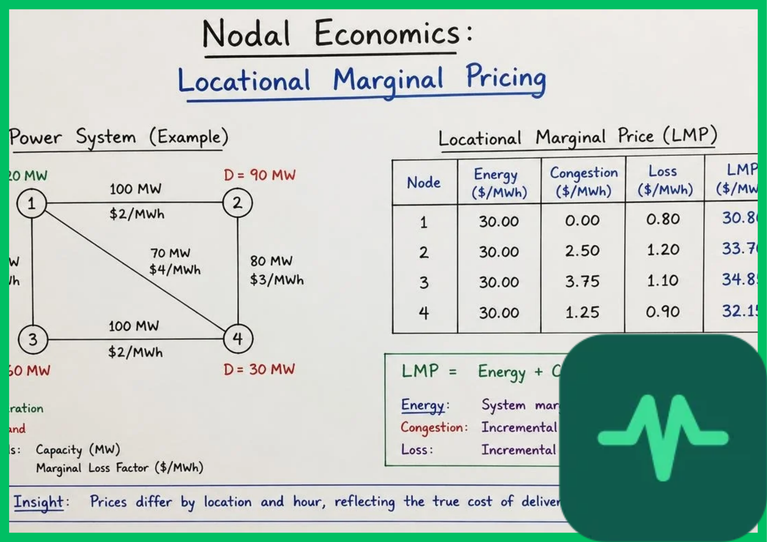
Batteries buy electricity when market prices drop to zero during peak solar hours, and sell that stored power back to the grid when prices spike during evening peak hours.
According to IEA energy transition assessments, utility-scale storage systems cut grid operational costs significantly while accelerating the retirement of polluting peaker plants.
Raw Materials and Sustainable Resource Governance
Building massive industrial battery arrays requires raw materials like lithium, nickel, cobalt, and iron.
Skeptics often worry that mining these elements creates a new environmental crisis.
This is where strict resource governance matters.
According to UNEP resource circularity frameworks, recycling spent electric vehicle and grid batteries is becoming a booming global industry, recovering up to 95% of critical metals for reuse in new storage systems.
Furthermore, academic materials research is rapidly developing alternative battery chemistries—such as sodium-ion and iron-air cells—that eliminate scarce minerals entirely, relying on abundant elements found easily across the globe.
According to ENERGY STAR and international industrial efficiency evaluations, stationary storage systems maintain high round-trip energy efficiency, ensuring that nearly all the electricity put into the battery comes back out when society needs it.
Storing Our Way to a Sustainable Future
Utility-scale battery energy storage systems prove that the transition to 100% renewable energy is entirely within our technological grasp.
We no longer have to accept that clean energy is unreliable or that fossil fuels are required to keep our lights on after dark.
By capturing surplus solar power, stabilizing regional power grids, and delivering clean energy on demand, massive battery arrays rewrite the rules of human power consumption.
We step away from fossil-fuel dependence, embracing a resilient, flexible, and intelligent energy standard.
Through brilliant electrical engineering, smart grid integration, and thoughtful resource stewardship, utility-scale batteries store the sun and secure a clean, bright, and sustainable future for our world.


Comments (0)
Login to leave a comment.
No comments yet. Be the first to share your thoughts!