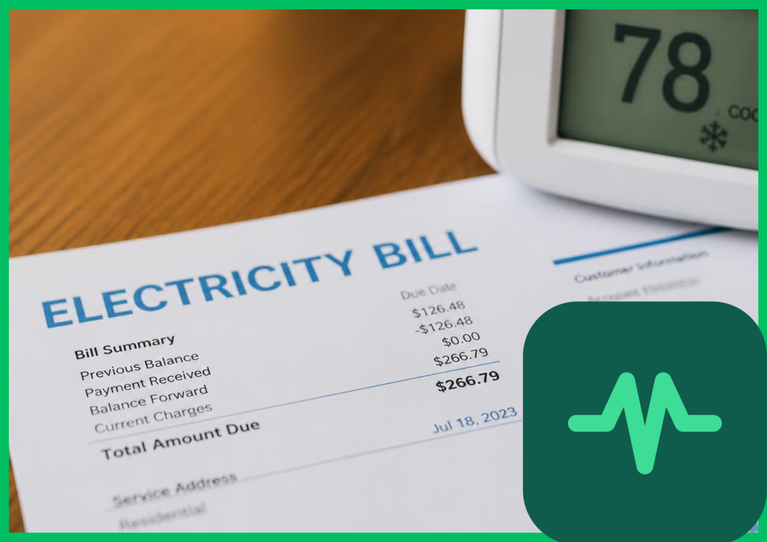
Few household expenses feel more frustrating than an unexpected energy bill. One month looks manageable. The next feels surprisingly expensive out of nowhere. So why does this happen?
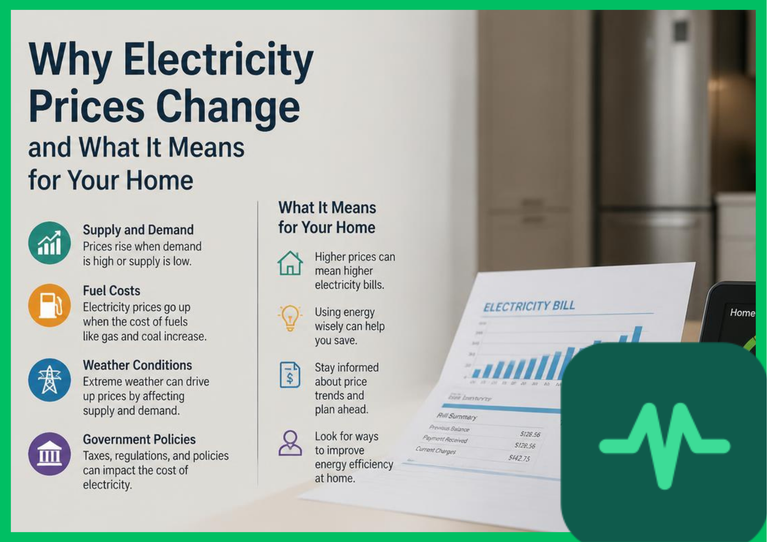
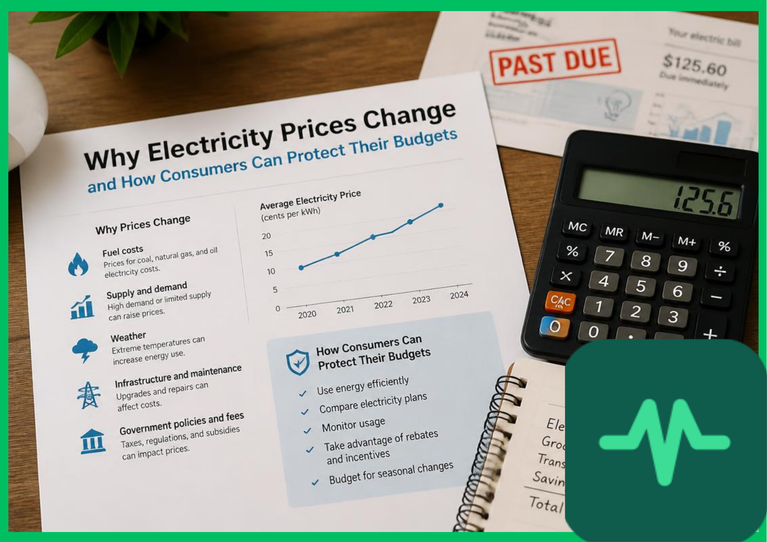
The honest answer is genuinely complicated. Electricity prices get shaped by supply, demand, fuel costs, weather, government policy, and how local energy markets are structured. Understanding these factors, though, can help you make better energy decisions going forward.
Supply and Demand
One basic driver behind electricity prices is simple supply and demand. When electricity demand rises, power systems need to produce more electricity to keep up.
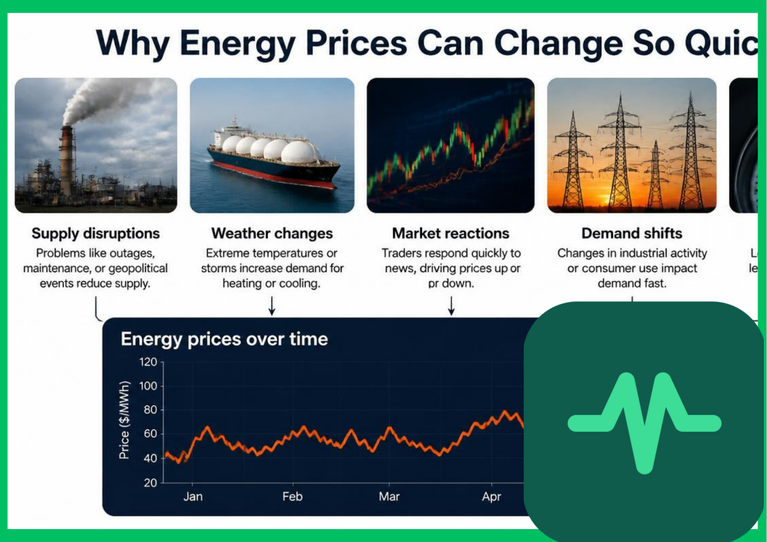
If available supply is limited, prices can climb. When supply is plentiful and demand runs lower, prices can fall instead, at least in some markets. This delicate balance shifts constantly throughout the day, hour by hour.
Weather Matters
Weather has a genuinely powerful influence on energy demand. During very hot stretches, households run more air conditioning. During cold snaps, heating demand climbs sharply.
Weather affects electricity supply too, not just demand. Solar generation depends on sunlight. Wind generation depends on wind conditions. Hydropower depends partly on water availability. Weather, in other words, shapes both sides of the electricity market at once.
Fuel Prices
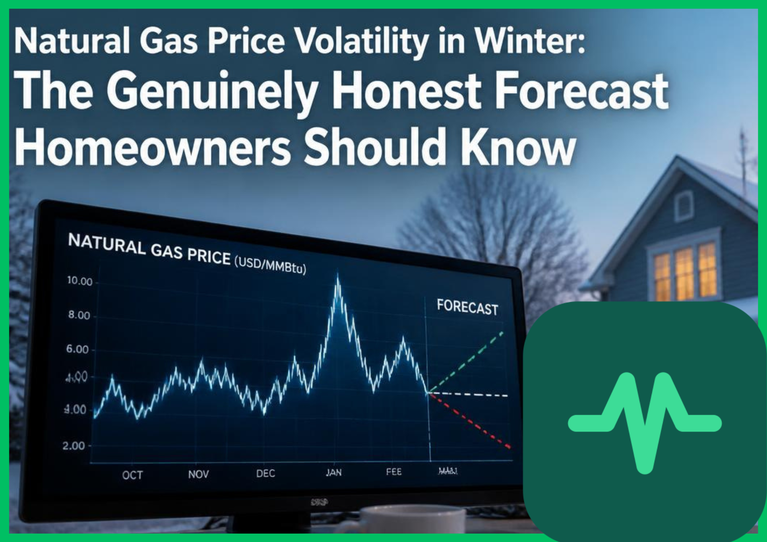
Some electricity systems still depend heavily on fossil fuels. When natural gas, coal, or other fuels get more expensive, electricity generation costs rise right alongside them.
This eventually reaches consumers in most cases. The exact effect depends on how your local electricity market actually works, though. Countries with more diversified energy systems often feel these swings differently than those leaning on a single fuel source.
Renewable Energy Can Change the Market
Solar and wind power carry low operating fuel costs, since there's no fuel to buy. Once a solar plant or wind farm is running, it doesn't need to purchase natural gas or coal for every unit of electricity it generates.
This helps reduce exposure to fuel-price swings in a real way. Renewable energy creates its own new challenges, though. Solar production varies with the weather. Wind production varies too. Electricity systems need real flexibility to handle that variability smoothly.
Energy Storage
Batteries help store electricity when supply runs high. They release that stored power later, exactly when demand increases.
This helps manage the natural swings in electricity supply that come with renewable energy. As battery storage keeps growing, it's likely to become an increasingly important part of modern electricity markets everywhere.
The Grid Matters
Electricity doesn't just appear at your home out of thin air. It travels through a genuinely massive network first. That network includes power plants, transmission lines, substations, and distribution systems working together.
Maintaining all of this infrastructure costs real money. Building new infrastructure costs money too. Because of this, grid investment directly affects electricity costs over time, even when generation itself gets cheaper.
Government Policy
Government decisions shape electricity prices in real, measurable ways. Taxes affect overall energy costs. Subsidies can lower costs for certain consumers or specific technologies. Energy regulations change how utilities actually operate day to day.
Governments sometimes introduce temporary measures too, especially during periods of unusually high energy prices, to ease the burden on households.
Why Prices Differ Between Countries
Electricity prices aren't the same everywhere, and that's worth remembering. Countries have different energy resources available to them. They have different tax structures too. Their grids differ. Their electricity markets differ. Household consumption patterns vary as well.
Be careful when comparing electricity prices internationally. A number that sounds high or low in isolation often makes more sense once you understand the local context behind it.
Can Consumers Reduce Their Bills?
Consumers have real options here, more than you might expect. Energy efficiency is one of the most practical. Using efficient appliances cuts electricity consumption directly. Smart thermostats and energy-management systems help in many homes too.
Solar panels offer another path for suitable properties. The financial case still depends on your local electricity prices, installation costs, and available sunlight, so it's worth running the numbers for your specific situation.
Smart Energy Technology
Smart meters provide far more detail about electricity use than older meters ever could. Smart appliances can adjust their own operation automatically in response. Home energy-management systems can coordinate solar panels, batteries, appliances, and EV charging together as one system.
This gives consumers genuinely greater control over their own energy consumption, rather than just watching a bill arrive each month with no context.
Why Energy Efficiency Matters
Here's a simple truth worth remembering: the cheapest unit of electricity for any household is often the one it never needs to consume in the first place. That's exactly why energy efficiency matters so much.
Better insulation reduces heating and cooling demand. Efficient lighting cuts electricity use on its own. Modern appliances simply use less energy to do the same job. These small changes add up more than people usually expect.
EcoGreenPulse View
Electricity prices can feel genuinely unpredictable from month to month. They're shaped by real, understandable changes in the energy system, though, not random chance.
Fuel markets matter. Weather matters. Demand matters. Infrastructure matters. Policy matters. As the energy system becomes more renewable and more digital, consumers are likely to gain new tools for managing their own energy use more actively.
Conclusion
Understanding electricity prices is becoming more important every year. The energy system is changing fast. Renewables keep growing. Battery storage keeps expanding. Electric vehicles are adding new demand. Smart technology is becoming more common in ordinary homes.
For consumers, this all adds up to something meaningful. Energy is no longer simply something you pay for passively. It's increasingly something households can actually manage, understand, and shape for themselves.
Sources: International Energy Agency resources on energy markets, electricity systems, and consumers.
Comments (0)
Login to leave a comment.
No comments yet. Be the first to share your thoughts!