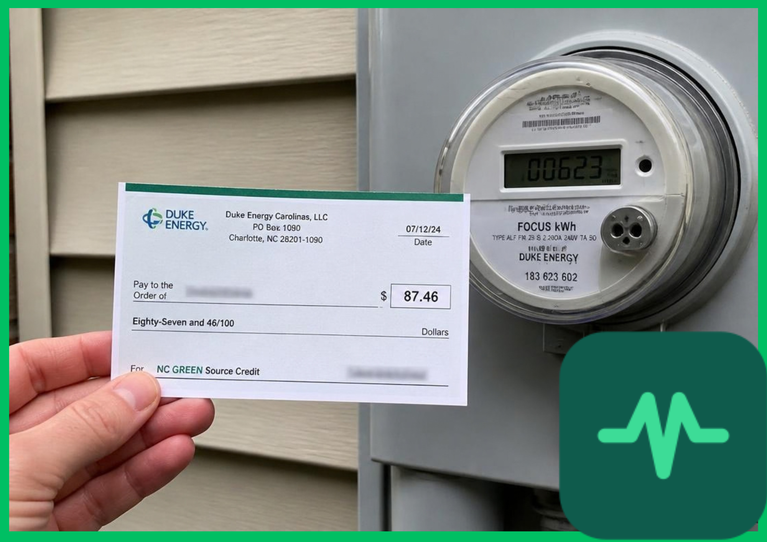
Why this strange situation actually happens
Electricity markets work differently from most other markets you're familiar with. Electricity needs to be used the instant it's generated, since large-scale storage remains genuinely limited compared to total generation capacity, even as battery storage continues its rapid growth.
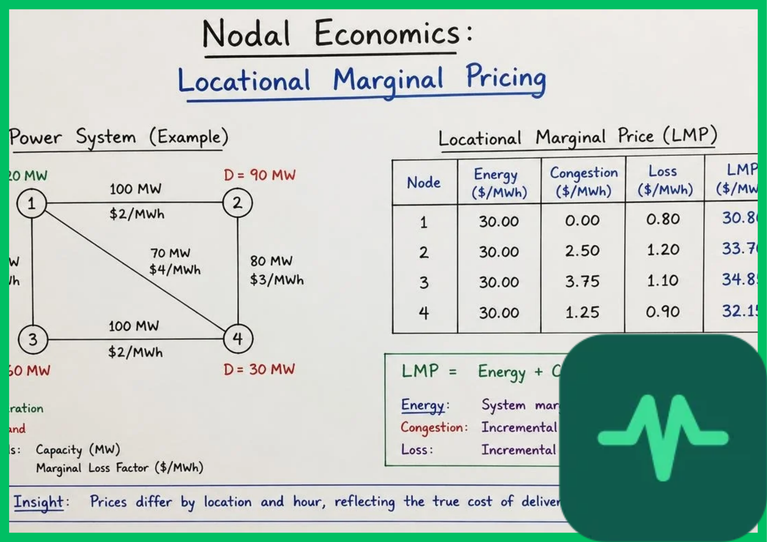
When a lot of solar and wind power gets generated at once, more than the grid actually needs at that specific moment, prices can briefly turn negative as a way to encourage someone, anyone, to actually use that excess power rather than let it go to waste entirely.
Why solar power specifically creates this pattern
Solar panels generate the most power around midday, precisely when sunlight is strongest. If a region has installed a genuinely large amount of solar capacity, midday hours can sometimes produce more electricity than everyone in that area actually needs at that exact moment.
This mismatch between when solar naturally produces the most power and when people actually use the most electricity creates exactly the kind of oversupply situation that can push prices temporarily negative.
Why this happens more often as renewable capacity keeps growing
As more regions add substantial solar and wind capacity, following the broader renewable energy growth discussed extensively elsewhere, these moments of genuine oversupply become increasingly common, particularly in areas with especially high renewable energy penetration.
This isn't necessarily a sign of anything going wrong. It genuinely reflects renewable energy capacity growing successfully, sometimes even faster than the grid's ability to immediately use or store every bit of power it generates at peak moments.
Why this connects directly to battery storage's growing importance
This exact oversupply problem is precisely what battery storage, discussed extensively elsewhere, exists to solve. Instead of that excess midday solar power going to waste or pushing prices negative, batteries can absorb it, then release it later, during hours when demand is naturally higher and supply is more limited.
This helps explain why battery storage investment has grown so dramatically alongside renewable energy capacity. Storage genuinely helps capture this otherwise wasted value, rather than letting oversupply moments simply create market inefficiency instead.
Why this matters for electric vehicle charging specifically
These moments of negative or unusually low electricity prices offer a genuinely excellent opportunity for smart electric vehicle charging, discussed elsewhere, to shift charging specifically toward these unusually cheap, or even negative-priced, windows.
An electric vehicle charging during a negative price moment isn't just saving money. It's genuinely helping absorb otherwise wasted renewable energy that would have simply gone unused, creating a nice, mutually beneficial alignment between individual savings and broader grid efficiency.
Why this phenomenon isn't universal everywhere
Negative electricity prices happen specifically in markets with particular characteristics, typically substantial renewable energy capacity combined with genuinely flexible, market-based electricity pricing that allows prices to actually reflect real-time supply and demand conditions accurately.
Markets without this kind of flexible, real-time pricing structure, or without yet having substantial renewable capacity, generally won't experience this specific phenomenon, even if they face other genuinely different energy market dynamics entirely.
Why this represents a genuinely interesting market signal
Rather than viewing negative prices as purely a market malfunction, it's more accurate to understand them as the market working exactly as intended, honestly signaling genuine oversupply and encouraging exactly the kind of flexible demand response, like smart charging or battery storage, needed to use that oversupply more productively.
This honest price signal helps guide investment toward exactly the solutions needed, more storage, more flexible demand, rather than simply wasting genuinely valuable clean energy during these oversupply moments.
Why this trend will likely continue as renewable capacity grows
As more regions continue adding substantial solar and wind capacity, expect these moments of negative or unusually low pricing to become increasingly common in more places, rather than remaining a rare occurrence limited to just a handful of especially renewable-heavy markets.
This growing pattern should continue driving further investment in battery storage and flexible demand technology, as markets increasingly recognize and respond to the genuine economic opportunity these oversupply moments represent.
What this means for you if you have flexible electricity use
If you live somewhere with real-time or time-varying electricity pricing, and you have some flexibility in when you use electricity, whether for charging an electric vehicle or running other flexible household equipment, these periods of unusually low or negative pricing offer a genuine, direct opportunity for real savings.
Why this phenomenon offers a genuinely hopeful signal
Rather than a sign of dysfunction, increasingly frequent negative pricing moments genuinely reflect successful renewable energy growth outpacing, at specific moments, the grid's current ability to immediately use or store all that clean power. This represents progress, even while highlighting real, ongoing need for continued storage and flexibility investment.
The bottom line
Negative electricity prices happen when renewable energy generation, particularly solar power at midday, temporarily exceeds what the grid actually needs at that specific moment, creating a genuine oversupply that briefly makes using electricity more valuable than not using it.
This phenomenon, increasingly common as renewable capacity grows worldwide, highlights both real progress in clean energy deployment and genuine, ongoing opportunity for battery storage and smart, flexible electricity use, including electric vehicle charging, to capture value that would otherwise simply go to waste.



Comments (0)
Login to leave a comment.
No comments yet. Be the first to share your thoughts!