
You pad across the kitchen floor and put the kettle on for coffee.
The sun climbs over the horizon, pouring bright golden light through your windows.
Out in your neighborhood, solar panels on rooftops begin drinking in that sunlight. Across the region, vast wind farms and utility solar arrays roar to life, flooding the power grid with clean, abundant electricity.
For a few golden hours, power is so plentiful that electricity generation costs drop nearly to zero.
Later that evening, the sun sets.
Families return home from work and school. Kitchen lights snap on. Ovens heat up. Air conditioners hum loudly against the evening heat.
Energy demand spikes vertically.
Power companies scramble to fire up expensive, polluting backup generators just to keep the grid from crashing.
Electricity suddenly becomes scarce and expensive.
For a century, utility companies hid these wild cost shifts from everyday consumers.
You paid the exact same flat rate for electricity at 2:00 PM when solar power was free as you did at 7:00 PM when fossil-fuel peaker plants burned dirty coal.
That flat-rate illusion kept energy consumers in the dark, encouraging wasteful habits and inflating bills.
A quiet, profound financial and technological transformation is sweeping across global energy markets.
According to global energy reports from the International Energy Agency (IEA), resource sustainability frameworks from the United Nations Environment Programme (UNEP), appliance efficiency benchmarks from ENERGY STAR, and academic smart grid research, dynamic retail electricity pricing models are changing how we pay for power.
By linking household utility costs directly to real-time market conditions, dynamic pricing rewards consumers who embrace clean energy.
Here is how real-time electricity tariffs work, why shifting your power usage saves money, and how flexible energy markets secure our sustainable future.
The Hidden Waste of Flat-Rate Electricity
To understand why dynamic pricing matters so much, you have to look at the broken economics of traditional utility bills.
For decades, retail electricity operated on a flat-rate pricing model.
Utilities calculated their average operating costs over an entire year, added a profit margin, and charged consumers a single fixed price per kilowatt-hour twenty-four hours a day.
On the surface, flat rates felt simple and comforting.
Beneath the surface, they hid the true physical realities of power generation.
When you run your clothes dryer at midnight when wind farms are spinning freely, electricity costs the utility almost nothing to produce.
When you run that exact same dryer at 6:00 PM when the entire city is cooking dinner and blasting air conditioning, generating that electricity requires firing up inefficient, carbon-heavy fossil-fuel plants.
Under flat-rate billing, you pay the exact same price for both hours.
You receive no financial signal when energy is clean and cheap. You feel no financial pinch when energy is dirty and expensive.
That lack of communication leaves millions of households consuming power blindly, straining our power grids and driving up global carbon emissions.
What Are Dynamic Retail Electricity Pricing Models?
Dynamic retail electricity pricing models tear down the flat-rate wall.
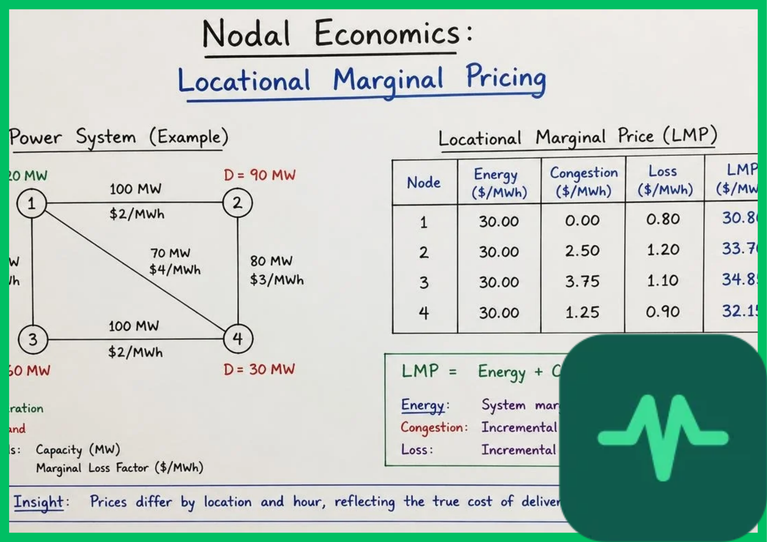
Instead of locking consumers into a single fixed price, dynamic tariffs reflect the real-time cost of generating and delivering electricity on an hourly or half-hourly basis.
Prices rise when energy is scarce and demand peaks. Prices fall—and sometimes drop to zero or even turn negative—when renewable wind and solar generation floods the local grid with excess power.
Smart meters installed in homes communicate directly with regional energy markets.
Your utility provider sends price signals straight to your smartphone app or home energy management hub.
When electricity prices are high, you know instantly. When prices drop, your home responds.
You don't have to sit by your meter watching numbers tick upward all day.
Smart home automation handles the work behind the scenes, shifting heavy energy tasks to the cheapest hours of the day.
The Science of Real-Time Load Shifting
The true power of dynamic pricing lies in the physics of behavioral economics and smart grid coordination.
Electricity cannot be stored easily in vast quantities on traditional wires; supply and demand must match down to the exact millisecond.
Academic smart grid research shows that when consumers see real-time price signals, their power consumption habits change dramatically.
When a dynamic pricing model warns that evening peak rates are climbing, smart households respond naturally.
Theromstats adjust slightly. Electric vehicle chargers pause their power draw. Heat pump water heaters lock out resistance elements.
Instead of all homes pulling maximum current during expensive peak hours, power consumption flattens out.
According to IEA energy market assessments, widespread adoption of real-time tariffs reduces peak residential electricity demand by up to 25%.
That reduction eliminates the need to build dozens of new fossil-fuel power plants, saving society billions of dollars and preventing millions of metric tons of greenhouse gas emissions.
Saving Money While Rewarding Clean Energy
Dynamic pricing models do more than stabilize regional power networks. They put financial power directly into the hands of everyday people.
If you adjust your daily routines—running your dishwasher, washing clothes, and charging your electric car during low-cost renewable hours—your monthly utility bills drop significantly.
According to ENERGY STAR efficiency evaluations, households participating in dynamic pricing programs cut their annual electricity expenditures by substantial margins without sacrificing daily comfort.
UNEP sustainable housing frameworks highlight that real-time pricing models align personal financial savings with global environmental stewardship.
When you use power when the wind blows and the sun shines, you are actively helping balance renewable energy sources onto the grid.
You save money, and you support the clean energy transition.
Riding the Waves Toward a Sustainable Future
Dynamic retail electricity pricing models prove that our transition to a clean energy future depends on transparent communication and smart technology.
We no longer have to accept flat-rate utility bills that hide the true environmental and financial cost of power generation.
By tying our household energy habits to real-time market conditions, we transform ourselves from passive consumers into active energy participants.
We step away from blind energy consumption, embracing a flexible, intelligent standard of living.
Through smart grid innovation, real-time pricing transparency, and thoughtful daily choices, dynamic electricity markets secure a clean, affordable, and sustainable future for our world.


Comments (0)
Login to leave a comment.
No comments yet. Be the first to share your thoughts!