
You paid the exact same price for every kilowatt-hour of electricity you used, whether you ran your washing machine at three o’clock on a sunny Tuesday afternoon or during a massive power surge on a freezing winter evening.
For over a century, traditional electricity pricing treated power like a stationary commodity. Prices stayed fixed around the clock.
That static pricing model hides the true, shifting reality of how electricity is generated and delivered.
A quiet economic and digital revolution is transforming power grids worldwide.
According to tracking data from the International Energy Agency (IEA), efficiency standards from ENERGY STAR, and academic power market research, dynamic electricity pricing is reshaping how society consumes energy.
By letting electricity prices rise and fall in real time based on actual supply and demand, dynamic pricing turns everyday consumers into active participants in a cleaner, more flexible power network.
Here is how real-time pricing works, why flat tariffs hide the true cost of power, and how shifting your energy habits protects both your wallet and the grid.
The Illusion of Fixed Electricity Tariffs
To understand why dynamic pricing is a breakthrough, you have to look at the economic flaw of flat-rate electricity tariffs.
Electricity is perishable. It cannot be stored easily in massive quantities on a whim.
It must be generated, transmitted, and consumed in the exact same fraction of a second.
Wholesale power generation costs fluctuate wildly throughout the day.
When millions of people wake up, turn on appliances, and fire up industrial factories in the morning, demand spikes. Power plant operators must scramble to spin up expensive, polluting fossil-fuel peaking plants to meet that short-term demand.
Later in the day, when wind farms pump out surplus clean energy or industrial demand drops overnight, electricity becomes cheap and abundant.
Under a flat-rate pricing system, consumers see none of these real-world fluctuations.
You pay an identical rate whether power costs pennies to generate or requires firing up emergency fossil plants.
That disconnect removes any financial incentive to shift power use away from peak hours, forcing utilities to build expensive, oversized grid infrastructure that sits underutilized most of the time.
What Is Dynamic Electricity Pricing?
Dynamic electricity pricing replaces flat tariffs with real-time transparency.
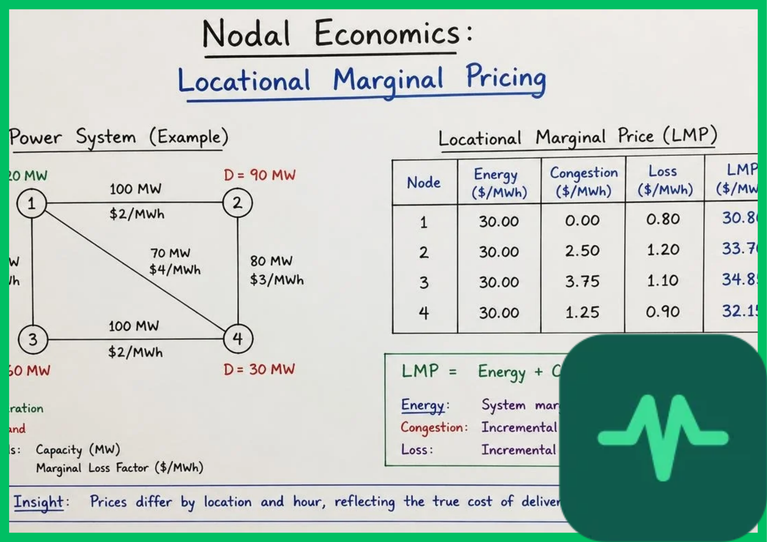
Under dynamic pricing frameworks—such as time-of-use tariffs, critical peak pricing, and real-time wholesale pricing—the cost of electricity changes dynamically throughout the day.
ResearchGate
When demand peaks and supplies tighten, the price of electricity goes up. When demand drops or renewable generation surges, the price of electricity drops sharply, sometimes falling close to zero or even turning negative.
You receive these price signals directly through smart meters, home energy management hubs, or mobile applications.
Instead of hiding the realities of the power grid, dynamic pricing communicates the true, live value of energy straight to your household.
It invites you to ride the wave of market supply.
Demand-Side Management and Automated Flexibility
Responding to real-time price signals sounds intimidating if you imagine waking up at midnight to switch on your laundry machine manually.
Fortunately, human effort is no longer required to manage modern power habits.
Academic smart grid studies and IEA demand-side management reviews highlight how automated technology makes dynamic pricing effortless.
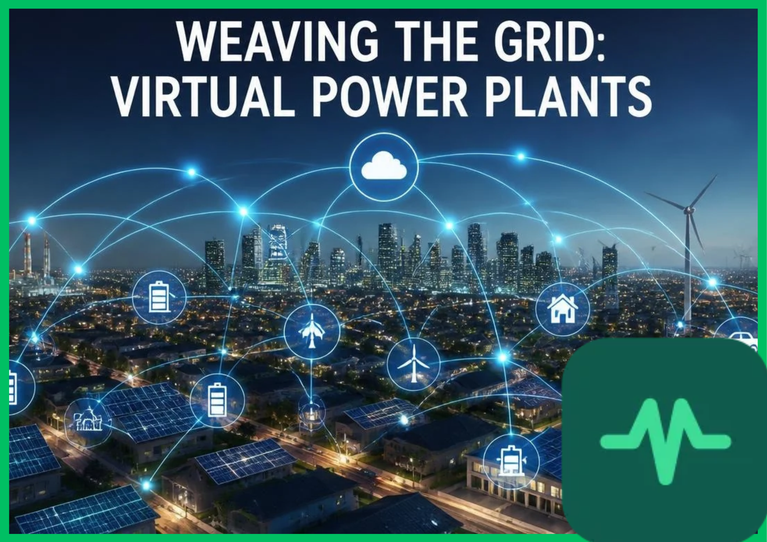
Smart home ecosystems integrate seamlessly with real-time pricing tariffs.
Your home energy management hub, electric vehicle charger, smart thermostat, and heat pump communicate constantly with the local grid.
When dynamic prices spike during a high-demand evening peak, the smart hub automatically pauses non-essential power loads. It delays your EV charging session, slightly adjusts your indoor climate settings by a fraction of a degree, and defers water heater cycles.
When prices drop late at night or during a midday solar surge, the system automatically ramps those appliances back up.
You experience zero disruption to your daily comfort, yet your home consumes electricity precisely when it is cheapest and cleanest.
Real-World Cost Savings and Grid Resilience
Embracing dynamic electricity pricing delivers profound financial and environmental benefits.
When households shift flexible loads away from expensive peak hours, monthly utility bills drop significantly.
IEA efficiency reports confirm that consumers utilizing dynamic tariffs and smart automation can cut annual electricity costs by 5% to 15% or more without lowering their overall energy consumption.
On a systemic scale, dynamic pricing provides critical support to regional power grids.
By flattening the daily demand curve, real-time pricing reduces the need for utilities to build costly new power plants or rely on dirty fossil-fuel peaker generators.
It creates a flexible demand response that absorbs variable wind and solar generation smoothly, preventing local blackouts and enhancing overall grid resilience.
Riding Toward a Smart, Flexible Future
Dynamic electricity pricing proves that market economics and environmental sustainability can work hand in hand.
We are moving away from rigid, wasteful energy structures and stepping into a transparent, responsive digital economy.
By aligning our daily habits with the real-time rhythm of supply and demand, we stop treating power as an endless, invisible resource.
Through smart automation and dynamic pricing, every household helps balance the grid, saves money, and drives the global transition toward a clean, sustainable energy future.

Comments (0)
Login to leave a comment.
No comments yet. Be the first to share your thoughts!