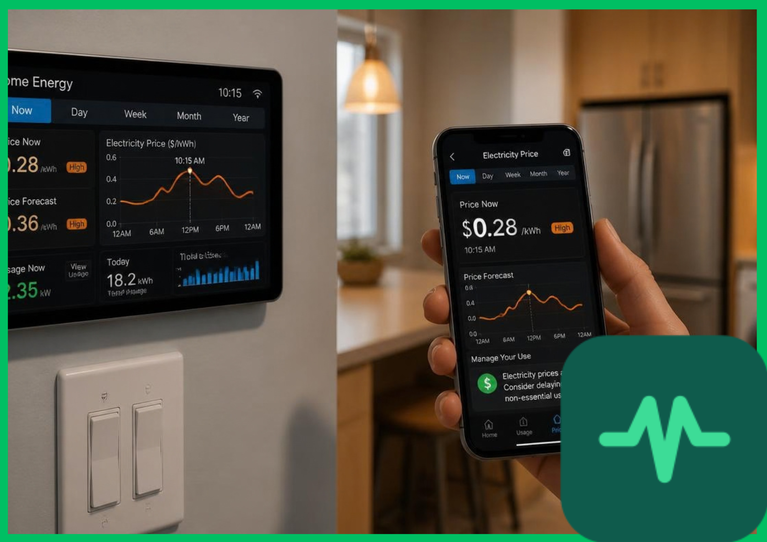
For generations, electricity pricing has operated on a flat-rate model. You paid the exact same price for a kilowatt-hour of power at 3:00 PM on a scorching summer afternoon as you did at 3:00 AM on a quiet Tuesday night.
That predictable utility pricing structure is vanishing.
Across global energy markets, dynamic electricity pricing is taking over. Real-time power tariffs fluctuate by the hour, reflecting the changing economics of supply and demand on modern power grids.
This shift can feel intimidating, but it offers powerful opportunities for consumers willing to adapt.
Here is how dynamic pricing works and how smart automation helps shape your power usage without sacrificing comfort.
The Economics of Real-Time Power
To understand dynamic pricing, you have to look at how electricity is produced and consumed.
Unlike water or natural gas, electricity cannot be easily stored in massive quantities on traditional grids. It must be generated the exact millisecond it is consumed.
When millions of people turn on air conditioners, industrial machines, and vehicle chargers simultaneously, demand skyrockets.
Under a flat-rate model, utility companies absorb those costly demand spikes and pass the average cost onto everyone through higher baseline rates.
Dynamic pricing introduces radical transparency.
With real-time tariffs, electricity prices rise and fall dynamically based on wholesale market conditions. When the wind blows fiercely, solar farms flood the grid with clean energy, and demand is low, electricity prices drop dramatically—sometimes even turning negative, meaning you get paid to consume power.
When demand peaks and fossil-fuel peaker plants scramble to keep up, prices spike sharply.
The Danger of Fixed Habits in a Dynamic Market
If your daily household habits remain completely rigid under a dynamic pricing structure, your utility bills will skyrocket.
Running energy-intensive appliances during high-priced peak hours becomes an expensive mistake.
If you start your electric clothes dryer or heat your water cylinder when wholesale electricity prices hit their daily peak, you pay top dollar for energy.
Dynamic pricing forces consumers to rethink when they use power, not how much power they use.
Shifting your heavy energy tasks away from peak hours is the single most effective way to protect your wallet.
Smart Automation as Your Personal Energy Trader
Manually checking hourly electricity prices before turning on a washing machine sounds exhausting.
No human wants to wake up at midnight to adjust a thermostat or calculate wholesale power tariffs.
That is where smart home automation steps in to act as your personal energy trader.
Modern home energy management systems integrate directly with real-time utility pricing feeds. They monitor wholesale tariff fluctuations continuously in the background.
When prices dip during cheap hours, your smart water heater fires up, your electric vehicle begins charging at maximum speed, and your thermal storage systems bank energy.
When wholesale prices spike during a grid emergency or an evening rush, the automation system pauses heavy loads instantly.
You maintain absolute indoor comfort while your home consumes electricity exclusively when it is cheap and abundant.
Shaping a Resilient Clean Energy Future
Dynamic pricing is not just a tool for utility companies to manage costs; it is a vital engine for global decarbonization.
By rewarding consumers for using power when renewable generation is high, real-time tariffs align human behavior with natural rhythms.
We learn to run our homes when the sun shines and the wind blows.
Dynamic pricing turns every household into an active, flexible participant in the clean energy economy, proving that smarter power use benefits both individual wallets and our shared global environment.

Comments (0)
Login to leave a comment.
No comments yet. Be the first to share your thoughts!