Global electricity demand is rising quickly. In 2025, global electricity demand increased by about 3%. That was more than twice the growth rate of total energy demand, which rose by about 1.3%.
The change shows that electricity is becoming more important to modern economies. More transport is becoming electric. Buildings are using more cooling.
Industries are increasing electricity use. Data centres are also creating new demand.
Electric Vehicles Add New Demand
Electric cars are one reason global electricity demand is rising. As more drivers move from petrol and diesel vehicles to electric cars, transport becomes more connected to electricity systems.
The IEA says electricity demand in China is being supported partly by expanding EV charging.
This trend will continue as EV sales increase.
Data Centres Need Power
Data centres are another major source of demand. Artificial intelligence and cloud computing require large amounts of electricity.
In the United States, strong electricity-demand growth in 2025 was partly linked to data centres and industrial activity.
This creates new challenges. Electricity networks must connect large facilities. Generation must also increase.
Cooling Is Becoming Important
Hot weather can increase electricity use. Air conditioners consume electricity.
As temperatures rise in many regions, cooling demand can put pressure on electricity systems. This is particularly important in emerging markets.
Therefore, global electricity demand can rise quickly during periods of extreme heat.
Renewables Are Helping Meet Demand
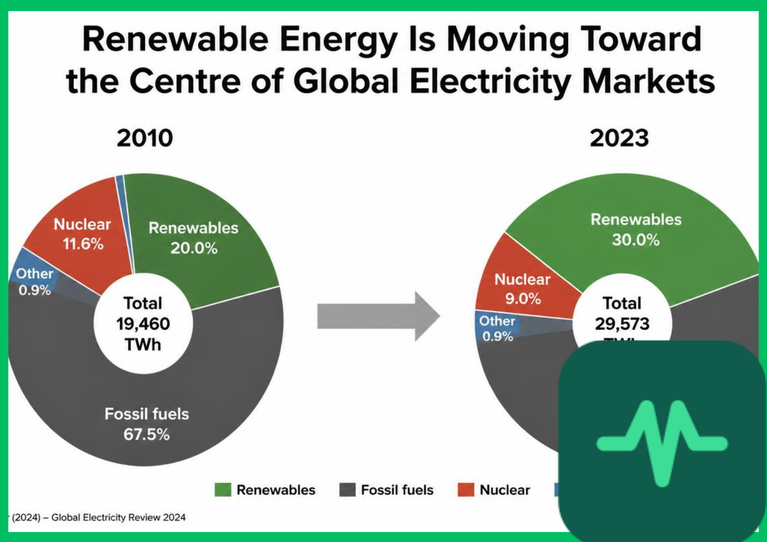
The good news is that renewable generation is expanding rapidly. Solar PV was the largest source of growth in global electricity generation in 2025. Its output increased by about 600 TWh.
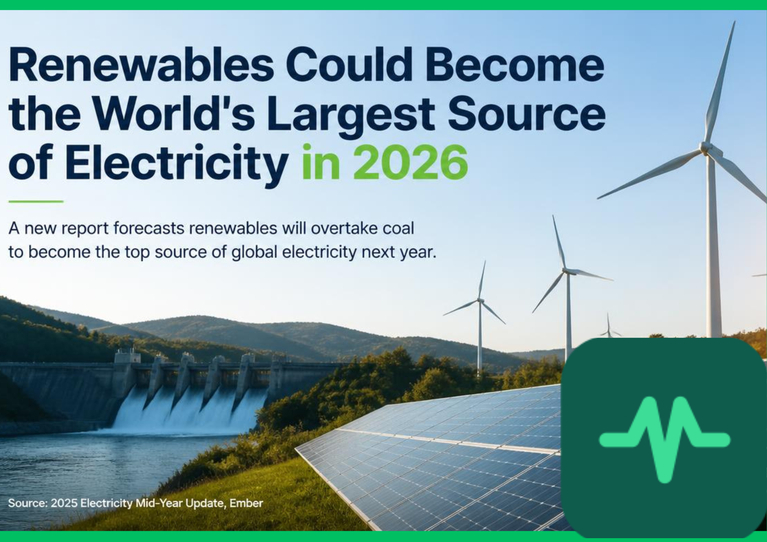
Renewables overall also increased strongly. This means the electricity system is adding new clean generation while demand rises.
The Grid Must Expand
More electricity demand requires stronger grids. New solar and wind projects need connections.
EV charging stations need electricity. Data centres need reliable supply. Factories need power.
Therefore, grid investment is becoming strategically important. The IEA says grid expansion and modernisation will be critical as renewable generation increases.
Storage Can Help
Battery storage can provide flexibility. It can store electricity during periods of high supply. Then, it can release electricity when demand increases.
This can help electricity systems manage some of the new challenges created by global electricity demand.
Africa Faces a Different Challenge
Africa's electricity challenge is different. Many people still lack reliable access to electricity.
Therefore, rising electricity demand can also represent economic development.
More electricity can support businesses, healthcare, education and manufacturing. The challenge is to expand access without locking countries into expensive and polluting systems.
EcoGreenPulse View
The rise in global electricity demand is not necessarily bad news. Electricity can be cleaner than direct fossil-fuel use when it is generated from low-emissions sources.
Electric vehicles can replace petrol use. Heat pumps can replace some fossil-fuel heating. Industrial electrification can reduce direct fossil-fuel use.
However, electricity generation must become cleaner at the same time.
Conclusion
Global electricity demand is entering a new phase. The world is using more electricity for transport, cooling, industry and digital services.
Renewable energy is helping meet the increase.
However, grids and storage will need to expand as well. The future energy system will therefore be increasingly electric.
Sources: IEA, Global Energy Review 2026 and Electricity Mid-Year Update 2026.
Comments (0)
Login to leave a comment.
No comments yet. Be the first to share your thoughts!