The actual scale of this displacement
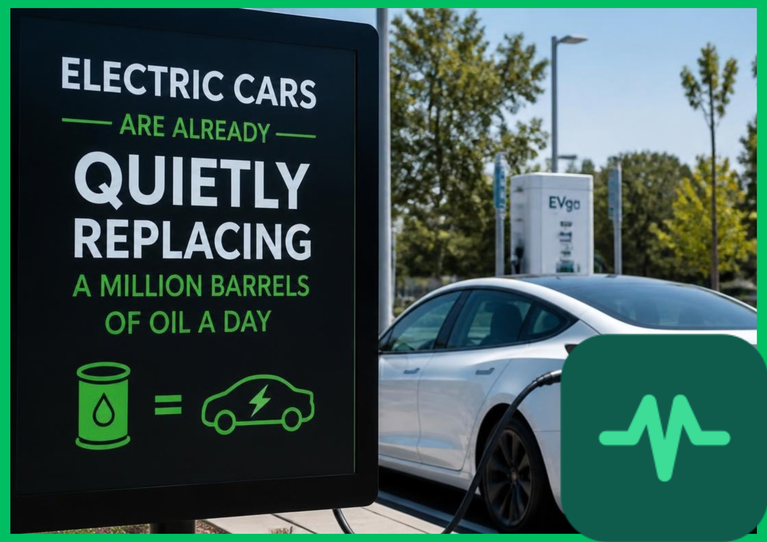
Recent global energy analysis found that electric vehicles displaced roughly 1.2 million barrels of oil demand per day in a recent year. That's a genuinely enormous amount of oil that simply wasn't needed, purely because electric cars replaced what would otherwise have been traditional, gas-powered driving.
To put this in perspective, this volume represents a meaningful share of total daily oil consumption by entire countries, all attributable specifically to the growing electric vehicle fleet already on roads worldwide today.
Why this number matters for global oil markets
Oil markets respond directly to shifts in overall demand. A reduction of this scale, even though it represents just one contributing factor among many affecting the broader oil market, genuinely matters when considering longer-term trends in global oil demand and pricing.
As electric vehicle numbers continue growing rapidly, this displacement effect will keep growing alongside them, representing an increasingly significant, structural shift in how much oil the global transportation sector actually requires overall.
Why passenger cars specifically drive most of this effect
The majority of this oil displacement comes specifically from electric passenger cars and light commercial vehicles, representing around 80 percent of the total effect. Electric trucks, while growing too, currently contribute a smaller though still genuinely meaningful share of overall displacement.
This makes sense given how many more passenger cars exist on the road worldwide compared to heavy trucks, even though electrifying trucks presents its own genuinely important, separate opportunity worth continued attention and investment.
Why this effect will likely accelerate considerably
As global electric vehicle sales continue growing, following patterns discussed extensively elsewhere in current energy analysis, this oil displacement effect should continue growing substantially larger over the coming years, rather than remaining at its current level.
Current projections suggest light-duty electric vehicles will continue representing the majority of total oil displacement through the coming decade, even as electric trucks gradually increase their own contribution to this broader trend over time.
Why oil price volatility connects directly to this trend
As discussed elsewhere, recent oil price volatility, linked partly to geopolitical tensions, has actually accelerated electric vehicle adoption in various regions, as buyers seek to reduce their exposure to unpredictable fuel costs.
This creates a genuinely interesting feedback relationship. Oil price spikes push more buyers toward electric vehicles, which in turn increases oil displacement, potentially affecting the very oil market dynamics that motivated the initial shift in the first place.
Why this matters for countries dependent on oil imports
Nations that import significant amounts of oil for their transportation needs stand to benefit considerably from this displacement effect, as growing electric vehicle adoption gradually reduces their dependence on imported fuel and the associated cost and supply security concerns that come with it.
This represents a genuine, practical economic and strategic benefit beyond simply the environmental considerations more commonly associated with electric vehicle adoption.
Why this doesn't mean oil demand disappears entirely
It's worth being honest that oil remains genuinely important for many other uses beyond passenger transportation, including aviation, shipping, and various industrial applications that don't have the same readily available electric alternatives currently.
This means electric vehicle oil displacement, while genuinely significant, represents one important piece of a much larger, more complex global oil demand picture, rather than suggesting oil demand overall is disappearing entirely in the near term.
Why this trend offers a genuinely useful way to track EV impact
Rather than simply counting the number of electric vehicles sold, tracking actual oil displacement provides a more tangible, concrete way to understand the genuine, real-world impact this technology shift is already having on global energy systems.
This metric translates abstract vehicle sales numbers into something more directly meaningful and comparable to traditional energy market measurements that people are already generally familiar with.
Why this matters for anyone following global energy trends
Understanding this displacement trend helps make sense of broader conversations about oil demand forecasts, energy transition progress, and how quickly the global transportation sector's underlying energy needs are genuinely shifting away from oil dependence.
This connects directly to the broader themes explored throughout current energy analysis, showing how growing electric vehicle adoption ripples outward to affect global energy markets in real, measurable, and increasingly significant ways.
What this trend suggests for the years ahead
Given the continued rapid growth in electric vehicle sales worldwide, discussed extensively elsewhere, this oil displacement figure will very likely continue climbing substantially higher in the coming years, representing an increasingly significant structural shift within global oil markets overall.
The bottom line
Electric vehicles have already displaced roughly 1.2 million barrels of oil demand daily, a genuinely significant, measurable impact on global oil markets that reflects the substantial electric vehicle growth already happening worldwide.
This effect will very likely continue growing considerably as electric vehicle adoption keeps accelerating, representing one of the clearest, most concrete ways to understand the real, tangible impact this ongoing technology shift is already having on the broader global energy landscape today.



Comments (0)
Login to leave a comment.
No comments yet. Be the first to share your thoughts!