The scale of growth being projected
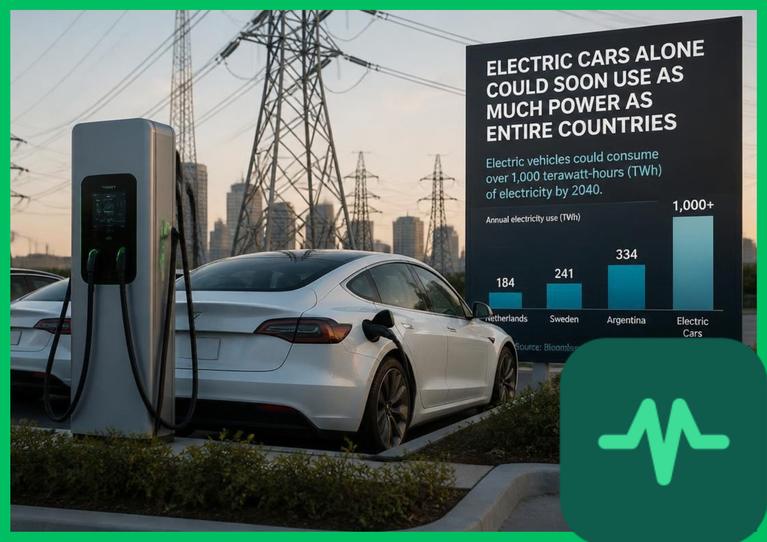
According to recent global energy analysis, electricity demand from electric vehicles could exceed 1,500 terawatt-hours by 2035, roughly six times the level seen in 2025. That's an almost unimaginably large amount of additional electricity demand, arriving within a genuinely short timeframe.
To put this in perspective, this level of demand would represent more electricity than many entire countries currently use for absolutely everything combined, all coming specifically from charging electric vehicles alone.
Why this growth is happening so quickly
This dramatic increase directly reflects the rapid pace of electric vehicle adoption happening worldwide. As millions of new electric cars join the road each year, their combined charging needs naturally add up to increasingly significant electricity demand across the whole system.
This isn't a surprising or sudden development. It's the natural, expected consequence of the broader electric vehicle growth already discussed throughout recent energy analysis and reporting.
Why this matters so much for energy markets specifically
A genuinely significant new source of electricity demand affects everything from how much electricity needs to be generated overall, to how existing power grids need to adapt and expand to handle this additional load reliably.
Energy markets, including how electricity gets priced and traded, will increasingly need to account for this substantial, growing demand source, treating it as a genuinely major factor rather than a minor, easily ignored detail.
Why timing of this demand matters as much as its total size
As discussed elsewhere, when people charge their cars matters considerably, not just how much total electricity gets used. Uncoordinated charging, concentrated into the same popular evening hours, creates sharper, more difficult demand spikes than the same total electricity use spread more evenly throughout the day.
This means managing this growing demand successfully depends heavily on encouraging smart, well-timed charging habits, not just building enough total generation capacity to theoretically cover the overall demand in isolation.
Why this connects directly to renewable energy growth
Meeting this substantial new electricity demand cleanly, without simply relying on more fossil fuel generation, requires continued, substantial growth in renewable energy capacity and battery storage, both discussed extensively elsewhere in current energy analysis and reporting.
This creates a genuinely interesting, mutually reinforcing relationship. Growing electric vehicle adoption increases electricity demand, which in turn creates stronger, more compelling reasons to continue expanding clean electricity generation to meet that exact same growing demand.
Why grid capacity planning has become genuinely urgent
Utilities and grid operators worldwide are increasingly factoring this projected electric vehicle demand growth directly into their long-term infrastructure planning, recognizing that waiting until this demand fully materializes before beginning to prepare would leave genuinely insufficient time to build adequate response capacity.
This kind of forward planning matters enormously, given how much lead time substantial grid infrastructure projects typically require compared to how quickly electric vehicle adoption itself has been accelerating.
Why this represents a genuinely significant shift for the whole energy sector
Historically, transportation and electricity generation operated as largely separate systems, one burning fuel directly, the other generating and delivering electricity through an entirely different infrastructure. Electric vehicles genuinely merge these two systems together in an unprecedented, significant way.
This merger means decisions about electric vehicle adoption increasingly need to be made alongside broader electricity system planning, rather than treating transportation and energy policy as separate, disconnected conversations happening independently of one another.
Why some regions face more immediate pressure than others
Regions experiencing particularly rapid electric vehicle adoption already show early signs of this growing demand pressure, while regions still in earlier stages of adoption have somewhat more time to prepare their own electricity infrastructure accordingly.
This uneven timing means different regions face genuinely different levels of urgency around this specific challenge, though the broader global trajectory points clearly toward substantial, sustained growth in this particular demand source across virtually every major region eventually.
Why this shouldn't be seen purely as a problem to manage
While this growth genuinely requires careful planning and substantial investment, it also represents a significant, measurable shift away from oil-dependent transportation toward electricity-based transportation, an outcome broadly considered a genuinely positive step for reducing overall emissions and oil dependence.
The honest framing here involves managing a genuinely significant, real challenge, while recognizing that the underlying shift it reflects represents meaningful, positive progress toward cleaner transportation more broadly.
What this means for anyone following energy markets generally
Understanding this projected demand growth helps make sense of why so much current energy investment and planning increasingly centers around accommodating electric vehicles specifically, rather than treating them as a minor, secondary consideration within broader energy system planning.
The bottom line
Electric vehicle electricity demand could grow roughly sixfold by 2035, reaching a genuinely enormous scale comparable to what entire countries currently use for all their electricity needs combined. This reflects the natural, expected consequence of rapid, continued electric vehicle adoption happening worldwide.
Managing this growth successfully will require continued investment in generation capacity, grid infrastructure, and smart charging technology together, representing one of the most significant, ongoing challenges and opportunities facing global energy markets over the coming decade.



Comments (0)
Login to leave a comment.
No comments yet. Be the first to share your thoughts!