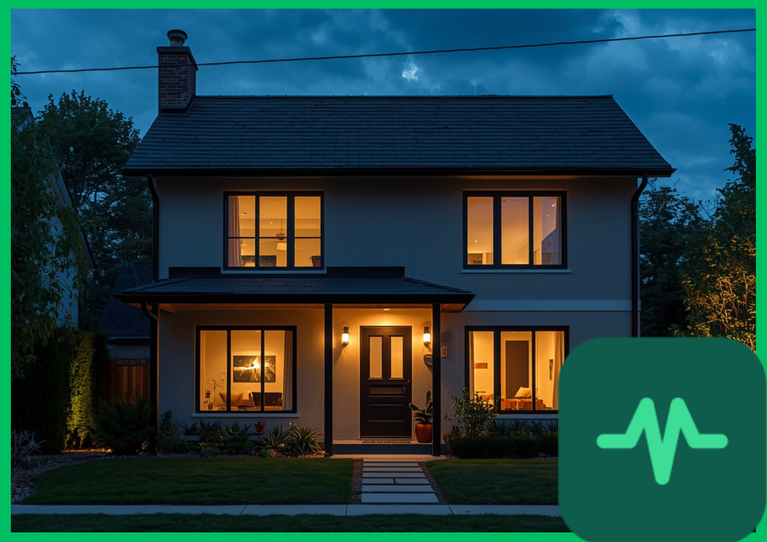
The basic idea is simple here. Connected devices can help households understand when and where energy is being consumed. Knowing that will help them automate some decisions about energy use.
The International Energy Agency has pointed to the growing role of digital tools here. Smart home technology is helping make power systems more connected. It is making them smarter too. It is making them more responsive to real, everyday needs.
In this guide, we will explore how smart home technology actually works. We will look at what makes it genuinely useful. We will also look at what to watch out for before buying any of it. By the end, you will understand why smart energy technology only helps when it does real, measurable work.
Smart Devices Can Improve Visibility
Let's start with the biggest benefit smart home technology offers. It gives you information. Most people have no real idea where their electricity actually goes each month. Smart energy technology can finally show you.
Picture a home energy monitor. It tracks power use in real time. A household might discover something surprising this way. Maybe one old appliance uses far more power than expected. Maybe the heating or cooling system eats up most of the monthly bill.
Once this becomes visible, change gets much easier. Smart energy technology turns a mystery into something clear and fixable. You cannot improve what you cannot see. This is exactly why visibility sits at the core of every useful smart energy technology t
Automation Can Also Help
Visibility is only half the story, though. Smart home technology also automates certain actions. Smart thermostats adjust temperature without you touching a dial. Connected lighting can turn off automatically when nobody is in the room.
The IEA points to simple things like efficient lighting and smart thermostat management as real, practical ways to cut energy waste. These are not flashy features. They are steady, quiet habits built directly into your home through smart energy technology.
Still, a warning belongs here too. Smart home technology only helps if it actually changes behavior or manages equipment well. Simply connecting a toaster to Wi-Fi does not make your home efficient. The internet connection alone does nothing. The real value comes from what the device actually does with that connection.
Smart Homes Need Smart Energy Systems
The bigger opportunity comes when household technology connects with the wider electricity system.
A future home could potentially coordinate:
- Solar generation
- Home batteries
- EV charging
- Heating and cooling
- Smart appliances
- Electricity prices
- Energy demand
This could allow households to shift some electricity consumption to times when electricity is cheaper or when renewable generation is abundant.
What Consumers Should Consider
When buying smart home technology, consumers should look beyond the number of features.
Consider:
Energy benefit: Does the device actually reduce consumption?
Compatibility: Can it work with existing equipment?
Data: What information does it collect?
Longevity: How long is the device likely to remain useful?
Repairability: Can it be repaired rather than replaced?
Standby consumption: Does the device itself continuously consume electricity?
Security: How is connected-device data protected?
EcoGreenPulse View
Smart-home technology has genuine potential to improve energy efficiency, but “smart” should not automatically be treated as synonymous with “sustainable.”
The best products are those that provide measurable energy benefits while remaining durable, repairable and useful over a long period.
The future eco-home will likely depend less on having the largest number of connected devices and more on having the right technologies working together as an integrated energy system.
Source: International Energy Agency research on digitalisation and energy efficiency.
Comments (0)
Login to leave a comment.
No comments yet. Be the first to share your thoughts!