Energy is essential to modern life. Homes need electricity for lighting. They need energy for cooling and heating. They need electricity for cooking, entertainment, communication, and work too.
Still, some of the energy used in homes provides little real benefit. That's exactly where home energy efficiency comes in.
Energy efficiency means providing the same service while using less energy. For consumers, this often means lower consumption overall. In many cases, it also means lower energy bills.
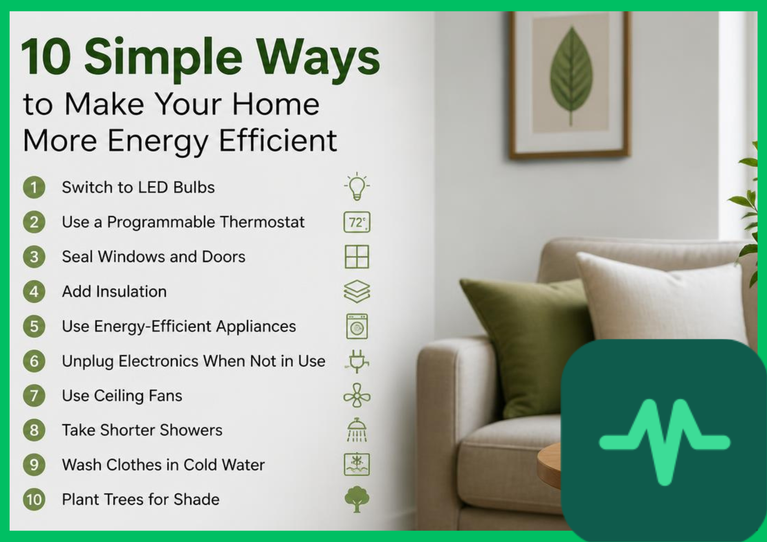
1. Switch to LED Lighting
One of the simplest steps is replacing inefficient lighting. LED bulbs use far less electricity than traditional incandescent bulbs. They also last much longer.
That means households cut both electricity use and how often bulbs need replacing. You don't need to swap every bulb at once, either. A practical approach is simply replacing older bulbs as they fail naturally.
2. Choose Efficient Appliances
Appliances can account for a large share of household energy use. This makes appliance efficiency genuinely important.
When replacing a refrigerator, washing machine, air conditioner, or other major appliance, check its energy rating first. Don't just look at the purchase price. Consider how much electricity it's expected to use over time.
A slightly more expensive appliance can offer better overall value if it uses significantly less energy across its lifetime.
3. Use Air Conditioning Carefully
Air conditioning can consume a lot of electricity, especially in hot climates. A few simple habits improve home energy efficiency here:
- Keep doors and windows closed while cooling a room
- Clean filters regularly
- Avoid setting temperatures unnecessarily low
- Use timers or smart controls when possible
- Make sure the unit is correctly sized for the space
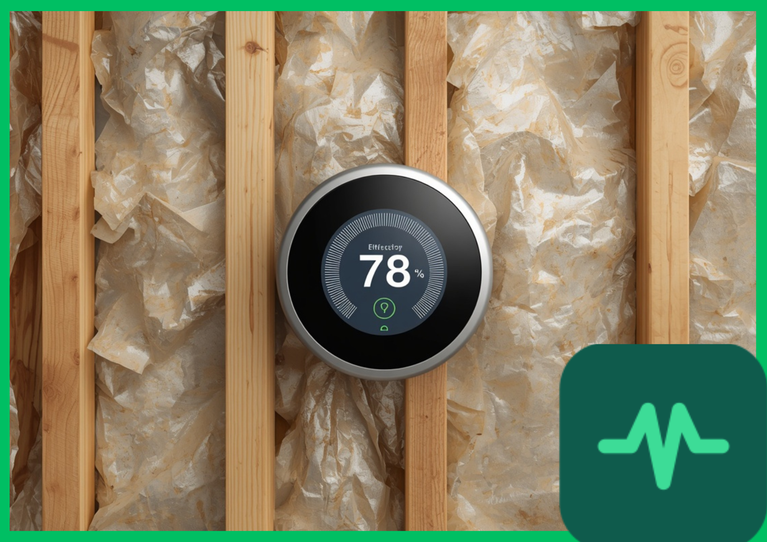
4. Improve Insulation
Insulation helps control indoor temperature. In hot climates, good insulation and building design reduce heat entering the home. In cold climates, insulation helps keep warmth inside instead of letting it escape.
The right solution depends on your local climate and building design. Look at the roof, walls, windows, and doors. Reducing unwanted heat transfer lowers how much energy heating or cooling actually requires.
5. Reduce Unnecessary Standby Use
Some electronic devices draw power even when they're not actively in use. This includes televisions, game consoles, computers, and other equipment.
A single device might only use a small amount. Multiply that across every device in a home, though, and it adds up fast. Switch off equipment when it's not needed. Smart plugs can help automate this process without extra effort on your part.
6. Use Appliances Efficiently
How you use an appliance matters just as much as the appliance itself. A washing machine running with a tiny load doesn't use energy as efficiently as one running full. Repeatedly opening a refrigerator door lets cold air escape too.
Simple changes like these improve home energy efficiency without requiring any new technology. It's also worth learning what energy-saving modes your existing appliances already offer.
7. Manage Hot Water
Heating water takes real energy, making it an important area for improvement. Reduce unnecessary hot-water use where you can. Make sure your water heater gets properly maintained too.
Insulating hot-water pipes can reduce heat loss in some systems. Efficient water-heating technologies, including heat pumps, offer another real opportunity to cut consumption.
8. Use Smart Controls
Smart technology can help manage energy automatically. Smart thermostats adjust heating and cooling on their own. Smart lights turn off when they're not needed. Energy monitors show exactly how much electricity you're using. Smart plugs control selected devices remotely.
One important caveat, though: smart technology works best when it addresses a real energy problem. Don't buy a device simply because it's labeled "smart."
9. Consider Solar Power
Solar panels generate electricity from sunlight. For households with a suitable roof and the right local conditions, solar can meaningfully reduce dependence on grid electricity.
Installation costs vary, and output depends heavily on sunlight. Before installing, consider:
- Roof orientation
- Available roof space
- Local sunlight levels
- Installation cost
- Electricity prices
- Maintenance
- Battery requirements
Solar isn't the right fit for every home. Where conditions are favorable, though, it can become a genuinely important part of a more efficient household energy system.
10. Monitor Your Electricity Use
Perhaps the most important step of all is simply understanding your consumption. A household can't manage what it can't see.
Energy monitors and smart meters provide real, useful information. Look for unusual spikes. Identify your biggest energy users. Compare consumption across different time periods. Then decide where to actually make changes.
This turns energy efficiency into an ongoing process, not a one-time project you finish and forget.
Why Small Changes Matter
A single energy-saving action probably won't transform a household on its own. Several improvements working together, though, genuinely can.
Think of it this way:
- LED lighting reduces lighting demand
- Efficient appliances cut electricity consumption
- Better insulation reduces heating and cooling demand
- Smart controls reduce unnecessary operation
- Solar generates clean electricity
Together, these measures build a genuinely more efficient home, piece by piece.
Energy Efficiency and Climate Change
Energy efficiency plays a wider environmental role too. The less electricity a household needs, the less electricity the broader energy system needs to generate.
Where electricity still comes from fossil fuels, lower demand directly helps reduce emissions. The International Energy Agency identifies energy efficiency as a key part of the global effort to cut both energy demand and emissions.
This is exactly why home energy efficiency isn't just a personal household issue. It's part of the much larger energy transition happening worldwide.
Renters Can Improve Efficiency Too
Homeowners aren't the only ones who can save energy. Renters can make plenty of simple changes too:
- Use LED bulbs
- Manage air conditioning carefully
- Reduce standby consumption
- Use smart plugs
- Monitor electricity use
Some improvements, like insulation or major appliance upgrades, may require landlord approval. Still, many energy-saving actions remain fully available to renters without any permission needed.
Do Not Spend Money Without Checking the Numbers
An energy-saving product isn't automatically a good investment. Before buying, ask yourself:
- How much energy will this product actually save?
- How much does it cost?
- How long will it last?
- How often will I actually use it?
- How long will it take to recover the purchase cost?
These questions help prevent spending more money than the product will ever save you back.
EcoGreenPulse View
Home energy efficiency doesn't require expensive technology to get started. Some of the most effective steps are refreshingly simple: use efficient lighting, choose efficient appliances, manage cooling and heating, reduce standby use, improve insulation where practical, and monitor consumption regularly.
The real key is combining several of these improvements together, rather than relying on just one.
Conclusion
Improving home energy efficiency can start with small actions. You don't need to completely redesign your home. Instead, identify where energy is being wasted, then make changes one step at a time.
Efficient appliances, smart controls, better insulation, and renewable energy can all play a role. The end result is a home that provides the same everyday comfort and convenience, while using energy far more wisely.
Sources: International Energy Agency, energy-efficiency resources.
Comments (0)
Login to leave a comment.
No comments yet. Be the first to share your thoughts!