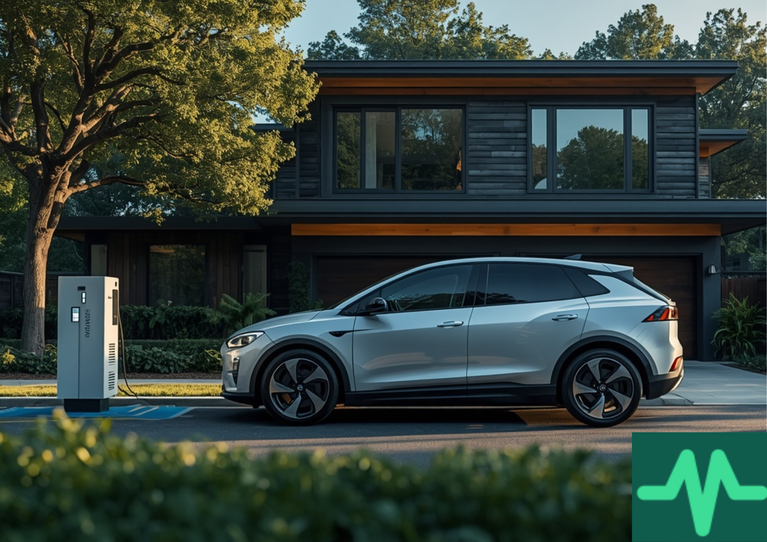
Think about what sits in your driveway right now. If you own an EV, you own a massive battery on wheels. That battery holds far more power than most people realize. Vehicle-to-Home technology lets you tap into it, right when you need it most.
In this guide, we will explore how Vehicle-to-Home technology works. We will look at how much power your car can actually provide. We will also look at why this feels like real peace of mind for families worried about the next big storm.
Why Old Generators Fell Short
Let's start with the old way. Gas generators are loud. They smell bad. They need fuel stored nearby, which can be risky. Many families kept one anyway, just in case the power went out.
This always felt like an imperfect fix. You had to remember to check the fuel. You had to run the noisy machine outside for hours. Vehicle-to-Home technology skips all of that hassle completely.
What Is Vehicle-to-Home Technology?
So what exactly is Vehicle-to-Home technology? In simple terms, it lets power flow backward. Instead of only charging your car, the system lets your car charge your house instead.
Normal chargers only work one way. They pull power from your wall and send it into your car. Vehicle-to-Home technology adds a special charger that can reverse this flow completely, sending stored power from your car back into your home.
How the Power Actually Flows
Here is how it works during a real outage. First, a storm knocks out the power lines. A safety switch near your electrical panel instantly disconnects your house from the street. This step matters a lot. It keeps repair workers safe from unexpected power flowing backward into the lines.
Next, your Vehicle-to-Home technology charger signals your parked car. The car begins sending power back through the cable. That power gets converted into the same clean electricity your home normally uses. Suddenly, your lights turn back on. Your fridge keeps running. Life continues almost like nothing happened outside.
Just How Much Power Are We Talking About?
This is where Vehicle-to-Home technology truly impresses. A typical home backup battery holds around 10 to 13 kilowatt-hours. That is enough for a day, maybe less if you use much power.
An EV battery holds far more. Most models carry 60 to over 100 kilowatt-hours of stored energy. That means Vehicle-to-Home technology can power a full household for three to five days. No rationing. No sitting in the dark, waiting for repair crews.
A Perfect Match With Solar Panels
Here is where things get even better. If your home already has solar panels, Vehicle-to-Home technology creates a beautiful little loop. Sunlight charges your car during the day. Your car then powers your home overnight.
This setup feels like real independence. You are not waiting on the grid at all. Vehicle-to-Home technology, paired with solar, lets your home run almost entirely on its own clean energy supply, even during a multi-day outage.
Why This Feels Like Real Peace of Mind
There is something deeply comforting about knowing your car can save the day during an emergency. Vehicle-to-Home technology removes the stress of scrambling for a generator or driving around looking for gas during a crisis.
Families with young kids or medical equipment at home benefit enormously here. Vehicle-to-Home technology means the fridge stays cold. Medical devices stay powered. That kind of reliability matters more than most people realize until they actually need it.
What You Need to Get Started
Setting up Vehicle-to-Home technology requires a few key pieces. You need a compatible EV, since not every model supports bidirectional charging yet. You also need a special home charger designed for two-way power flow, along with a safety transfer switch installed by an electrician.
This setup costs more than a standard home charger. Still, many families see it as a smart investment, especially compared to buying and maintaining a separate gas generator every year.
Common Questions About Vehicle-to-Home Technology
Does Vehicle-to-Home technology work with any electric car? No. Only certain EV models currently support bidirectional charging, though more automakers are adding this feature each year.
How long can Vehicle-to-Home technology power a house? Most systems can run a typical home for three to five days on a full EV battery, depending on household energy use.
Is Vehicle-to-Home technology safe during an outage? Yes. A required transfer switch disconnects your home from the grid first, protecting utility workers from backfeeding power.
Weighing the Cost Against the Value
It helps to think about Vehicle-to-Home technology as a long-term investment, not just an emergency tool. A gas generator needs fuel every time you use it, plus regular maintenance to keep it running reliably. Costs add up quietly over the years, even if the generator only runs a few times.
Vehicle-to-Home technology skips ongoing fuel costs entirely. Once the hardware is installed, the "fuel" is simply electricity you likely already pay for anyway. Many homeowners find that this shift makes the upfront cost feel more reasonable over time, especially when paired with solar panels that keep charging costs even lower.
Final Thoughts
Vehicle-to-Home technology turns an everyday car into something far more valuable during an emergency. Instead of sitting idle in the driveway, your EV becomes a genuine source of comfort and safety when the power goes out.
As more automakers add this feature, Vehicle-to-Home technology should become easier and more affordable to set up. For families tired of loud generators and constant worry during storms, this technology offers something genuinely reassuring: real power, right when you need it most.



Comments (0)
Login to leave a comment.
No comments yet. Be the first to share your thoughts!