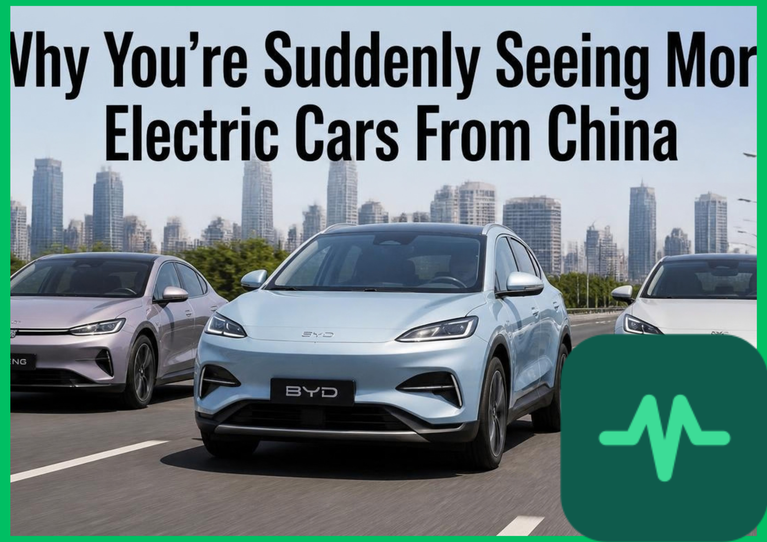
Why this shift happened so fast
China's domestic electric vehicle market has grown incredibly competitive, with many manufacturers competing intensely for the same buyers. This fierce competition pushed prices down and quality up within China itself.
Eventually, this created more manufacturing capacity than the domestic market alone could absorb. Manufacturers naturally looked outward, toward new markets eager for affordable, well-made electric vehicles.
Why these vehicles have found such strong demand elsewhere
Many regions, particularly emerging markets, had limited access to affordable electric vehicles before this shift. Chinese manufacturers filled a genuine gap, offering vehicles at price points that made electric vehicles realistically accessible for the first time in these specific markets.
This isn't simply about aggressive pricing alone. Years of intense domestic competition also pushed genuine improvements in vehicle quality and features, making these exports genuinely competitive, not just cheap.
The honest scale of this shift
Recent data shows electric vehicle sales growing dramatically across various regions outside of the largest existing markets, with much of this growth directly connected to increasing availability of these exported vehicles.
Some of these regions saw electric vehicle sales roughly double within just a single year, a pace of growth that would have seemed unrealistic without this new source of affordable supply entering their markets.
Why this matters for buyers in these regions
For many buyers, this represents their first genuinely realistic opportunity to consider an electric vehicle. Previously, limited model availability and higher prices kept electric vehicles out of reach for a large portion of potential buyers.
This expanded access has directly contributed to some of the fastest electric vehicle adoption rates seen anywhere in the world recently, transforming markets that previously had minimal electric vehicle presence at all.
The honest tension this creates in other markets
In regions with established domestic automotive industries, this wave of competitive imports has created genuine concern about fair competition and the future of local manufacturing jobs.
This has led some regions to introduce tariffs or other trade measures specifically targeting these imports, creating an honest, ongoing debate about balancing affordable consumer access against protecting local industry.
Why this debate doesn't have a simple, obvious answer
Consumers generally benefit from more affordable options and increased competition. Local manufacturers and their workers face genuine, legitimate concerns about competing against a much larger, highly competitive industry built up over years in a different market.
Different regions have reached different conclusions about how to balance these competing, legitimate interests, reflecting their own specific economic priorities and circumstances.
What this means for the broader global electric vehicle market
This export wave has meaningfully accelerated global electric vehicle adoption beyond what might have happened otherwise, particularly in regions that previously lacked affordable options.
At the same time, it's reshaping competitive dynamics within the broader automotive industry worldwide, pushing manufacturers everywhere to reconsider their own pricing and product strategies in response.
Why quality concerns have largely faded over time
Early skepticism about the quality of vehicles from newer manufacturers has generally diminished as these vehicles have proven themselves in real-world use across multiple markets and driving conditions.
This shift in perception has further supported growing demand, as buyers increasingly view these vehicles as genuinely competitive options, not simply a cheaper alternative with hidden compromises.
What buyers should genuinely consider when evaluating these options
As with any vehicle purchase, it's worth researching specific models, checking available warranty coverage, and confirming genuine parts and service availability in your specific region before buying.
The broader trend toward more competitive, globally available electric vehicles is genuinely positive for buyers overall, but individual model research still matters just as much as it always has.
Why this trend will likely continue evolving
As manufacturers continue expanding into new markets, and as other regions respond with their own competitive strategies or trade policies, expect this global competitive landscape to keep shifting over the coming years.
This ongoing evolution will likely continue shaping which vehicles are available, at what price, in different parts of the world, making this a genuinely important story to keep watching.
The bottom line
Electric vehicles from Chinese manufacturers have expanded rapidly into new global markets, driven by intense domestic competition creating excess capacity and genuinely competitive pricing. This has meaningfully accelerated electric vehicle adoption in regions that previously had limited affordable options.
This shift has also created real, honest tension around fair competition and local industry protection in various regions, an ongoing debate without a simple, universal answer, reflecting each region's own particular economic priorities and circumstances.


Comments (0)
Login to leave a comment.
No comments yet. Be the first to share your thoughts!