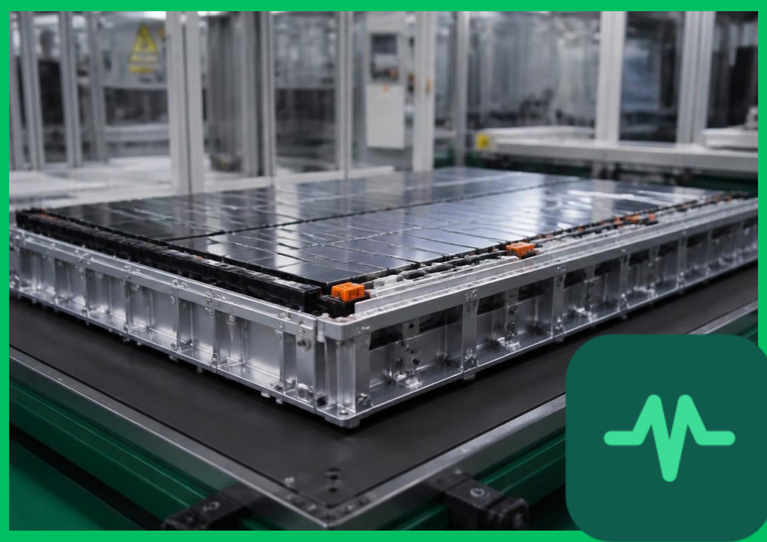
What LFP actually stands for
LFP stands for lithium iron phosphate, a specific type of battery chemistry used inside many electric vehicles. Like other electric vehicle batteries, it stores and releases electricity to power the car's motor.
What makes it different is what's inside it, and just as importantly, what isn't.
Why this battery type matters so much
Many earlier electric vehicle batteries relied heavily on materials like cobalt and nickel. These materials are expensive, and their supply is concentrated in relatively few places around the world.
LFP batteries skip these expensive materials entirely, relying instead on iron and phosphate, both considerably more abundant and less costly to source.
Why this directly affects the price of your next car
Battery costs represent one of the largest single expenses in building an electric vehicle. When that cost drops, it directly affects how much a manufacturer needs to charge for the finished car.
Recent data shows average battery prices falling meaningfully, with widespread LFP adoption cited as a major reason behind that decline. This translates into real, tangible savings that eventually reach everyday buyers.
The honest tradeoffs worth understanding
LFP batteries typically store slightly less energy for their physical size compared to some other battery chemistries. In practical terms, this can mean a somewhat shorter driving range for the same size battery pack.
They do have a genuine advantage in longevity, however, often handling more charge cycles over their lifetime before performance noticeably declines, which can offset the range difference over the vehicle's overall lifespan.
Why manufacturers have embraced this tradeoff
For many everyday drivers, the range difference doesn't meaningfully affect daily use. Most trips are far shorter than any electric vehicle's maximum range, regardless of battery type.
Given this, the cost savings and improved longevity often outweigh a modestly reduced maximum range for a large share of buyers, making LFP an increasingly popular practical choice across many vehicle models.
Why this matters beyond just individual car prices
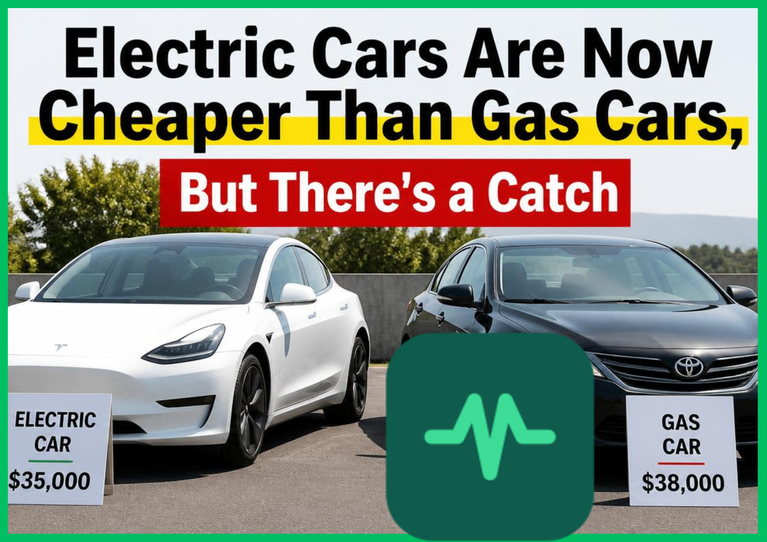
Cheaper batteries don't just lower individual vehicle prices. They also make electric vehicles more competitive against traditional gas-powered cars more broadly, accelerating overall adoption in markets where affordability has been a genuine barrier.
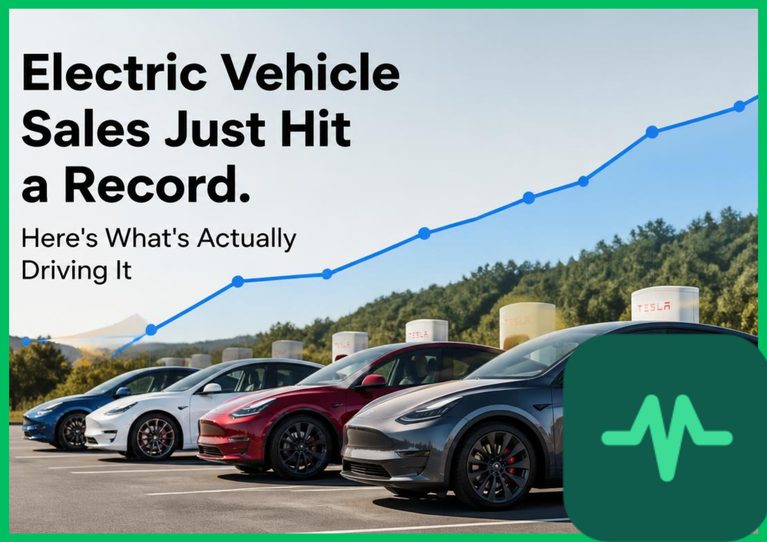
This connects directly to the encouraging growth we've seen in various global markets, where increasingly affordable electric vehicles have helped sales continue climbing even without heavy government financial support.
Why this technology took time to become widespread
Battery manufacturing requires significant investment in specialized factories and supply chains. Shifting production toward LFP batteries at a large scale took years of investment and manufacturing experience to reach today's widespread availability.
This mirrors a common pattern in manufacturing generally, where a genuinely better, more cost-effective approach takes time to scale up before its full benefits reach everyday consumers.
What this means when you're shopping for an electric vehicle
If you're comparing electric vehicles, it's worth checking which battery type each model uses. This affects not just price, but also expected range and how the battery is likely to hold up over many years of use.
Neither battery type is universally better. The right choice depends on your specific priorities, whether that's maximum range, lowest cost, or longest expected battery lifespan.
Why this trend is likely to continue
As manufacturing experience with LFP batteries continues growing, and as more factories are built specifically to produce them, costs are expected to keep falling further over the coming years.
This should continue supporting more affordable electric vehicle options across many different markets, helping close the remaining price gap with traditional gas-powered vehicles even further.
Why this story rarely gets the attention it deserves
Compared to flashy announcements about vehicle range or acceleration, battery chemistry sounds like a fairly dry, technical topic. Yet it's quietly one of the most important factors determining how affordable electric vehicles actually become for everyday buyers.
Understanding this connection helps explain why electric vehicle prices have been falling in many places, even without dramatic new government programs driving that change directly.
The bottom line
LFP batteries use more abundant, less costly materials than some alternatives, directly helping bring down electric vehicle prices in many parts of the world. The tradeoff involves a modestly shorter range, though this rarely affects typical daily driving in any meaningful way.
As this battery technology continues spreading, expect electric vehicles to keep becoming more affordable, quietly making the technology accessible to a wider range of buyers around the world.

Comments (0)
Login to leave a comment.
No comments yet. Be the first to share your thoughts!