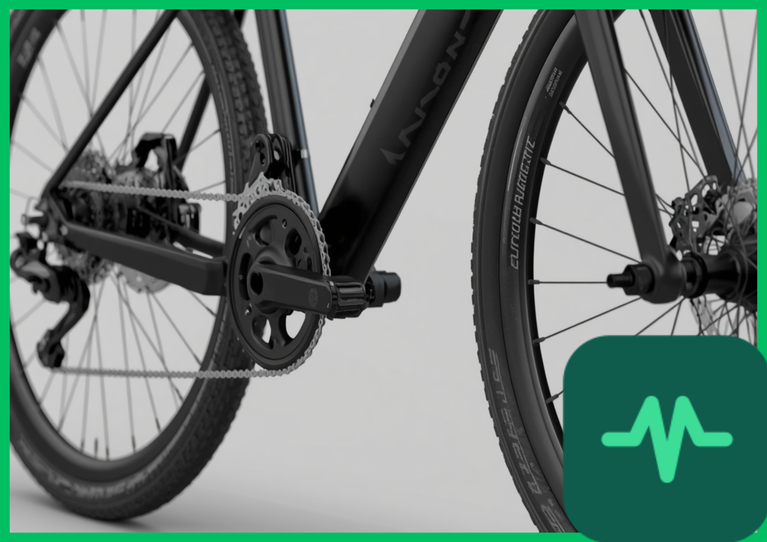
Instantly, a quiet hum rises from the frame, and a smooth wave of power pushes you forward.
That seamless blend of human effort and electric assistance feels wonderful.
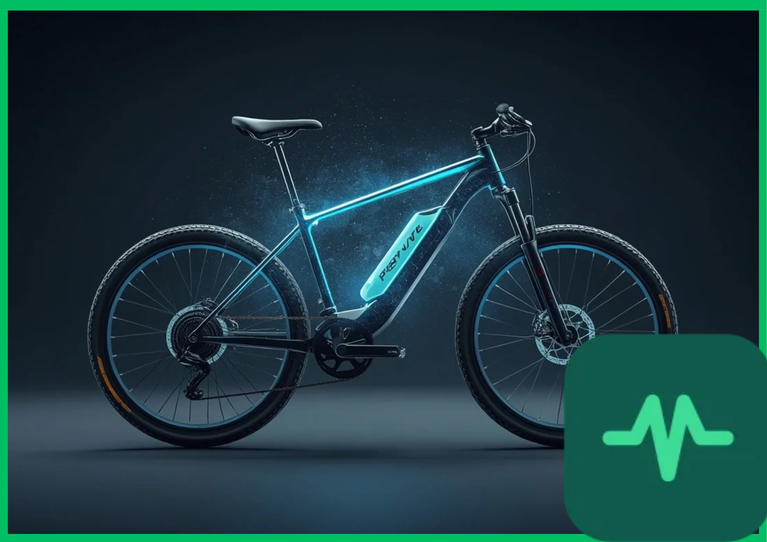
For urban commuters, weekend adventurers, and daily travelers, electric bicycles transformed how we move through our towns and cities. They make steep hills feel flat and long distances manageable.
Behind that effortless glide, however, lies a fundamental design choice that shapes your entire riding experience.
Where the motor sits on an e-bike changes everything about how the machine handles, climbs hills, and conserves battery power.
According to urban transport assessments from the United Nations Environment Programme (UNEP), International Energy Agency (IEA) efficiency studies, and academic research on micromobility, understanding motor architecture is essential for selecting the right commuter bicycle.
When shopping for an e-bike, you will encounter two primary motor designs: mid-drive motors and hub motors.
Here is how their mechanics work, what sets these two systems apart, and how to choose the right setup for your ride.
The Two Homes of an Electric Motor
To understand why motor placement matters so much, you have to look at where engineers put the electric drive unit on the bicycle frame.
A hub motor sits right inside the center of the wheel—either the front wheel or, much more commonly, the rear wheel. It spins the wheel directly.
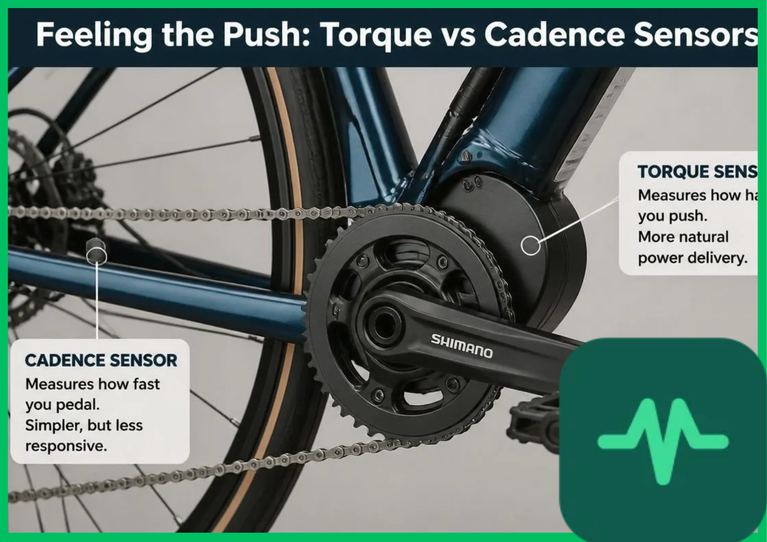
A mid-drive motor sits right down at the bottom bracket, nestled between your pedals where the crankset meets the frame. Instead of turning the wheel directly, it turns your bicycle chain.
That difference in location changes the physics of how power reaches the road.
Both designs make electric cycling accessible and fun, but they behave like entirely different machines out on the pavement.
Hub Motors: Simplicity and Direct Drive
Hub motors represent the most common and accessible approach to electric bicycle design.
Because the motor is housed entirely inside the wheel hub, it operates independently of your bicycle's chain, gears, and derailleurs.
When you pedal, the motor spins the wheel directly.
This standalone design brings major advantages.
First, hub motors are mechanically simple. They put zero wear and tear on your bicycle chain, cassette, and chainrings. You can shift gears normally, and the motor keeps pushing regardless of what gear you select.
Second, hub motors generally cost less to manufacture, making high-quality e-bikes affordable for everyday riders.
Furthermore, many rear hub motors allow for a throttle option, letting you cruise without pedaling if you need a quick rest on flat ground.
The primary trade-off with hub motors is balance and hill-climbing leverage.
Placing a heavy motor inside the rear wheel shifts the center of gravity backward, which can make the bike feel slightly rear-heavy when lifting it or navigating rough terrain.
Because a hub motor spins at a fixed mechanical ratio relative to the wheel, it cannot take advantage of your bicycle's gears. When you crawl up a steep hill at low speed, a hub motor struggles to maintain optimal RPM, losing efficiency and generating extra heat.
Mid-Drive Motors: Mechanical Leverage and Balance
Mid-drive motors take a completely different engineering approach.
By mounting the motor at the crankset, engineers connect the electric drive unit directly to your bicycle's drivetrain.
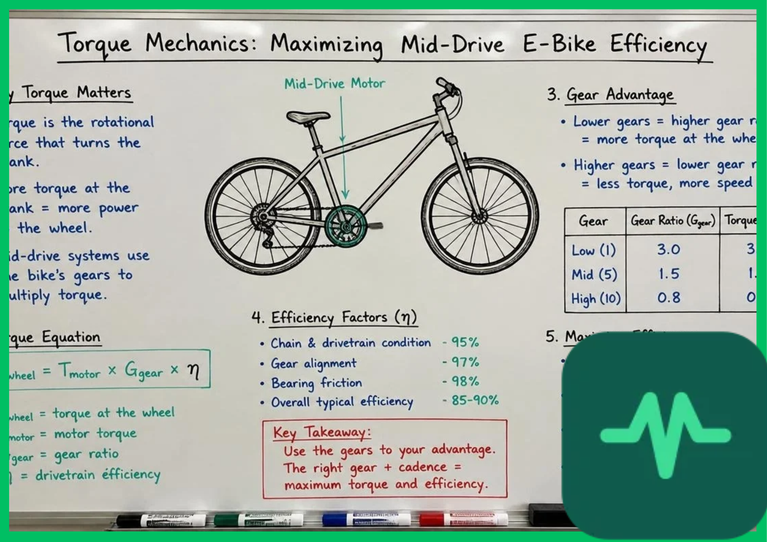
When the mid-drive motor spins, it turns your chain. That power travels through your bicycle's rear cassette gears, just like your own pedaling force.
This mechanical integration unlocks incredible performance benefits.
When you tackle a steep mountain pass or a sharp urban incline, you can shift your e-bike into a low climbing gear.
The mid-drive motor leverages those low gears to spin at its optimal, high-efficiency RPM, delivering massive climbing torque without overheating.
It turns your own leg strength and the electric motor into a unified team.
Furthermore, because the motor sits low and dead center in the frame, it distributes weight evenly across the bicycle. This balanced center of gravity provides exceptional handling, making the e-bike feel nimble, stable, and natural through tight corners.
Academic micromobility studies show that mid-drive systems excel in hilly terrain and off-road trail riding where precise power delivery and traction matter most.
The trade-off is mechanical wear and price.
Because the motor applies its power directly through the chain, your chain, cassette, and chainrings experience significantly higher tension. You will need to clean, lubricate, and replace drivetrain components more frequently. Mid-drive systems also carry a higher initial purchase price.
Energy Efficiency and Battery Range
The choice between a mid-drive motor and a hub motor impacts more than just handling; it plays a major role in energy efficiency.
Energy conservation is a central focus of modern electrical research and urban transport standards.
Because mid-drive motors utilize your bicycle's gears, they operate within their most efficient thermal and electrical window across varied terrain.
By keeping the motor spinning at optimal speeds during climbs, mid-drives draw power efficiently from the lithium-ion battery.
Hub motors can be wonderfully efficient on flat city streets and gentle slopes, but they drain batteries faster when forced to crawl up steep hills under heavy loads.
Over the course of a daily commute spanning 10 to 25 kilometers (approx. 6 to 15 miles), a well-managed mid-drive system often stretches your mileage between charges on hilly routes.
Selecting the Right Ride for Your Lifestyle
Choosing between a mid-drive motor and a hub motor depends entirely on where and how you plan to ride.
If your daily commute involves flat city streets, smooth bike paths, and casual weekend cruising, a reliable rear-hub motor e-bike offers fantastic value, low maintenance, and effortless riding.
If your routes feature rolling hills, steep climbs, unpaved trails, or if you demand the absolute best handling balance and natural bicycle feel, a mid-drive e-bike is worth the investment.
Do not judge an electric bicycle by its spec sheet alone. Always test ride different models to experience how their motor architectures handle stops, starts, and hills.
Finding the right setup ensures that every journey remains safe, efficient, and deeply satisfying.

Comments (0)
Login to leave a comment.
No comments yet. Be the first to share your thoughts!