
You stand before a gleaming row of electric bikes.
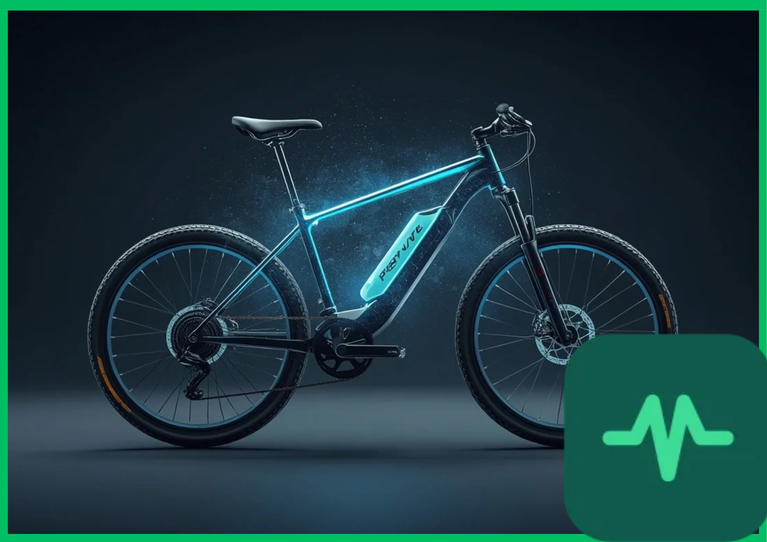
Some models feature a neat, compact motor nestled right between the pedals at the center of the frame.
Others hide their power inside the center hub of the rear wheel, looking almost like a standard bicycle at first glance.
You run your hand along the frame and wonder how two electric bikes that look so similar can ride so differently.
For over a century, bicycles relied entirely on human muscle.
When electric motors entered the cycling world, they changed everything.
Yet where you put that motor changes how the bike handles, climbs steep hills, and manages its battery on long weekend rides.
If you choose the wrong motor placement for your terrain, you might find yourself struggling up steep inclines or feeling unbalanced on rough gravel paths.
We cannot build a seamless, enjoyable riding experience without understanding how different motor designs interact with the road.
What if you could choose the exact right motor setup for your daily commute?
What if central and hub motors each unlocked a completely different way to experience two-wheeled travel?
A quiet, brilliant mechanical revolution is shaping the future of personal mobility.
According to global transport reports from the International Energy Agency (IEA), resource protection frameworks from the United Nations Environment Programme (UNEP), efficiency benchmarks from ENERGY STAR, and academic mobility research, electric bike motor placement is changing our transit landscape.
By comparing central motor electric bikes with rear hub motor efficiency, we can match the right mechanical drive to your exact riding style.
Here is how mid-drive and hub motors work, why balanced electric bike weight changes handling, and how choosing the right drive secures our sustainable future.
The Hidden Differences in Electric Bicycle Design
To understand why motor placement matters so much, you have to look at how power gets delivered to the wheels.
When electric bikes first arrived on the market, manufacturers looked for the easiest way to add an electric motor without redesigning standard bicycle frames.
They placed the motor directly inside the wheel hub.
It was simple, cost-effective, and easy to manufacture.
As riders began tackling steep mountain trails and heavy cargo loads, hub motors revealed certain physical limits.
Engineers realized that hanging a heavy motor inside the wheel axle changed the balance of the bike, making the rear end feel heavy and sluggish.
Skeptics argued that electric bike motors would always compromise natural handling.
Bicycle designers and mechanical engineers refused to accept that limitation.
They moved the motor from the wheel out to the center of the frame, connecting it directly to the bicycle chain and gears.
That shift changed everything.
What Is a Mid-Drive Electric Motor?
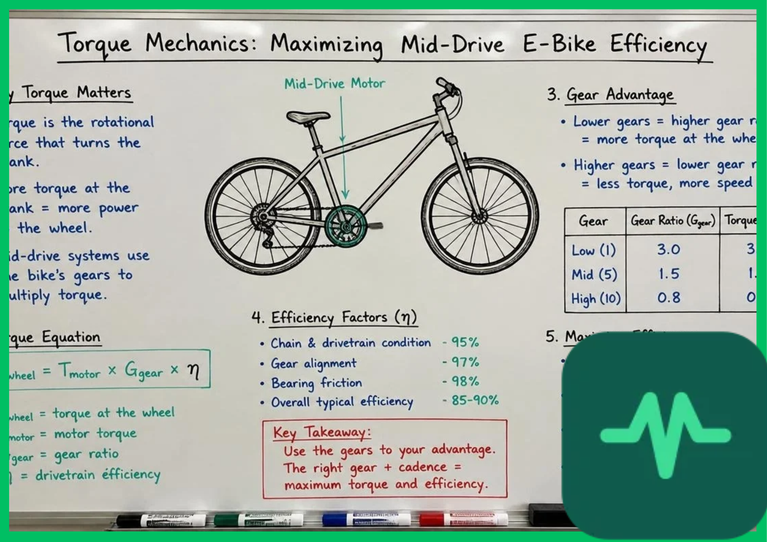
A mid-drive electric motor is a central bottom-bracket motor system mounted directly between the pedals of an electric bicycle, using the bike's existing gear system to multiply torque and deliver power seamlessly to the rear wheel.
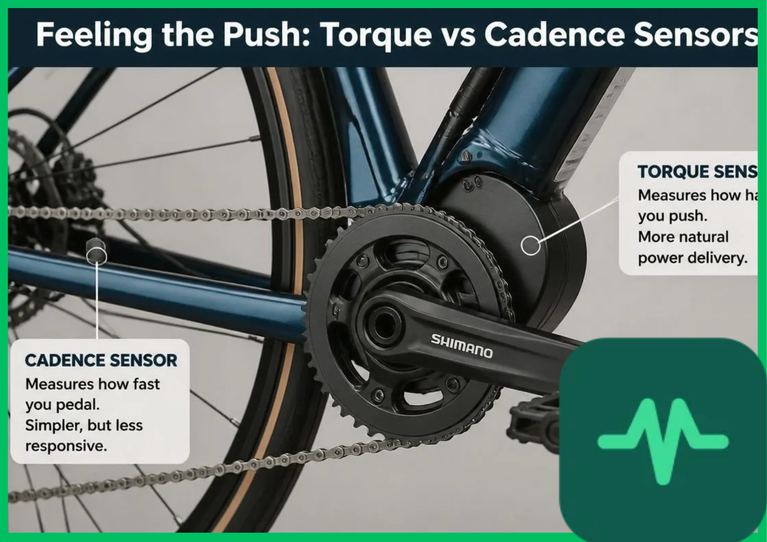
Instead of pushing the wheel directly from the axle, a mid-drive motor pulls on the bicycle chain.
When you shift gears on your handlebars, you are also shifting the gears for the motor.
That means if you drop into a low climbing gear to scale a steep hill, the motor drops down too, spinning at its optimal speed and delivering incredible torque without overheating.
The weight sits right in the exact center of the bicycle frame, keeping the center of gravity low and balanced.
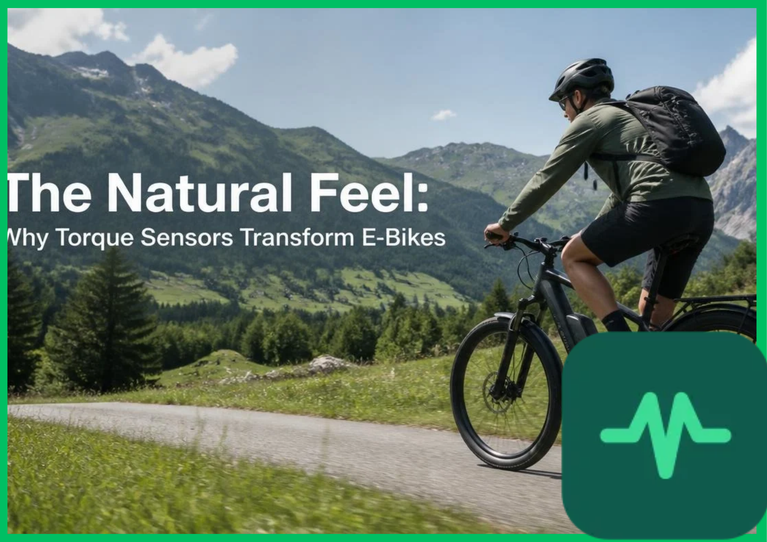
When you ride a mid-drive e-bike, it feels remarkably like a traditional bicycle—only with a massive boost to your natural leg strength.
What Is a Hub Motor?
A hub motor is an independent electric motor built directly into the center hub of either the front or rear wheel of an electric bicycle, driving the wheel rotation independently of the pedal drivetrain.
Rear hub motors remain the most popular choice for urban commuting and casual riding.
Because the motor operates separately from the chain and gears, it delivers smooth, direct power to the wheel the moment you twist a throttle or push the pedals.
There is zero wear and tear on your bicycle chain from the motor's power.
If your chain snaps miles from home, a hub motor can still push you down the road on throttle power alone.
Hub motors are also quieter, mechanically simpler, and less expensive to produce, making high-quality electric mobility accessible to riders around the world.
The Science of Climbing Hills and Balanced Weight
How does moving a motor from the wheel hub to the center frame change hill climbing on e-bikes and overall ride stability?
It comes down to leverage, gear ratios, and rotational physics.
Academic mobility research shows that mid-drive motors excel on steep inclines because they leverage the bicycle's mechanical gears.
By running the motor through the bike's transmission, a modest 250-watt mid-drive motor can climb mountain passes that would cause a standard hub motor to bog down and overheat.
Furthermore, balanced electric bike weight improves cornering safety and stability.
With the heaviest component centered low between your feet, the bike handles predictably on loose gravel and wet pavement.
According to ENERGY STAR and international appliance efficiency evaluations, efficient motor controllers optimize electrical current flow across both designs, minimizing energy loss and maximizing battery range on long journeys.
Whether you choose a central motor or a rear hub system, modern engineering ensures every watt of battery power moves you efficiently forward.
Environmental Integrity and Global Transit Shifts
The environmental benefits of choosing the right e-bike motor extend far beyond personal comfort or hill-climbing power.
They accelerate the global transition away from private automobiles.
According to UNEP resource governance frameworks, shifting daily urban trips from gasoline cars to electric bicycles slashes city air pollution, reduces traffic congestion, and cuts greenhouse gas emissions dramatically.
When people have access to reliable, versatile e-bikes that handle local hills and long commutes with ease, choosing active transport becomes an easy daily habit.
According to IEA clean transport roadmaps, expanding lightweight electric mobility is an essential pillar to decarbonize urban transportation worldwide.
When smart engineering meets everyday commuting, sustainable travel transforms our cities.
Choosing Your Ride
Deciding between a mid-drive motor and a hub motor comes down to your local terrain and riding goals.
If you live in a hilly region, tackle steep mountain trails, or carry heavy cargo loads, a central bottom-bracket motor delivers the superior torque and climbing efficiency you need.
If you commute across flat city streets, want a low-maintenance drivetrain, and prefer a more affordable entry point into electric cycling, a rear hub motor offers reliable, straightforward performance.
As manufacturing techniques improve and motor designs become more refined, both systems continue to expand clean, joyful mobility across the globe.
Powering Our Drivetrains Toward a Sustainable Future
Electric bicycles prove that human-scale transport can be both thrilling and environmentally responsible.
We no longer have to accept that getting around our neighborhoods requires burning fossil fuels or wrestling with heavy machinery.
By engineering precise central and hub motor systems that honor human movement, we bridge the gap between muscle power and clean electricity.
We step away from carbon-heavy transit, embracing a smart, balanced, and enduring standard of personal mobility.
Through brilliant mechanical engineering, rigorous academic research, and a deep respect for our shared environment, powering our drivetrains secures a clean, active, and sustainable future for every traveler on Earth.
Comments (0)
Login to leave a comment.
No comments yet. Be the first to share your thoughts!