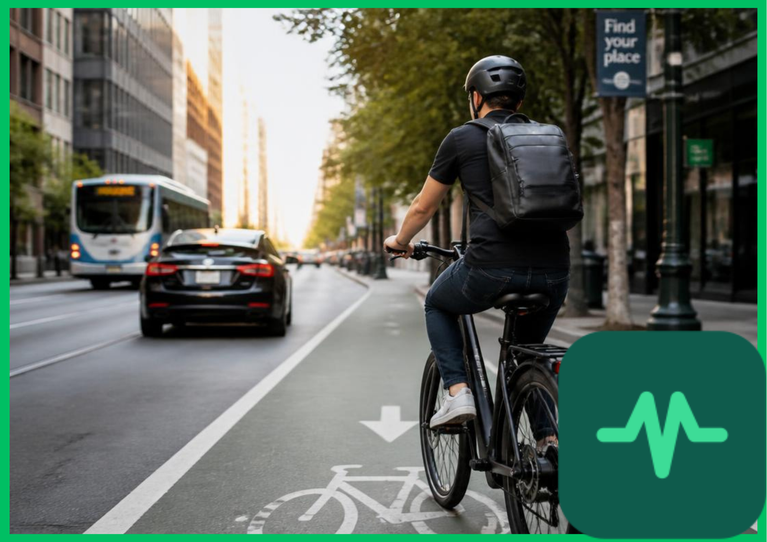
Cities around the world are changing fast. Traffic keeps getting worse in many urban areas. Fuel costs make traditional transportation genuinely expensive too. At the same time, consumers are looking for cleaner, more convenient ways to get around.
This is exactly where e-bikes are becoming genuinely interesting. Electric bicycles combine human pedaling with an electric motor working together. They make cycling noticeably easier. They also make longer journeys genuinely practical for far more people than a regular bike ever could.
What Is an E-Bike?
An e-bike is a bicycle equipped with an electric motor and battery system. Depending on the specific model and local rules, the motor assists the rider while they pedal.
Some models are built mainly for commuting through city traffic. Others are designed for carrying cargo. There are folding models for tight storage too, along with bicycles built specifically for recreational riding. Consumers, in other words, have genuinely plenty of options to choose from.
Why Are E-Bikes Becoming Popular?
One major reason is simple convenience. An e-bike makes hills noticeably easier to climb. It makes longer trips far less tiring too.
For commuters, this can be a genuinely major advantage. A person can travel farther without arriving at work completely exhausted and sweaty, something that's kept plenty of would-be cyclists off their bikes for years.
E-Bikes and Traffic
In busy cities, cars can spend a surprising amount of time sitting in traffic, going nowhere fast. An e-bike sometimes offers a far more flexible way to travel instead.
Cyclists may be able to use dedicated cycling infrastructure or routes that cars simply can't access at all. Safe infrastructure still matters enormously here, though, and it varies a lot depending on where you actually live and ride.
E-Bikes and the Environment
E-bikes generally use far less energy during operation than conventional cars. They produce no tailpipe emissions while riding either. This makes them a genuinely attractive option for short urban journeys.
Their overall environmental impact still depends on manufacturing, electricity generation, and battery production, though. No transportation option is completely free of footprint, even an efficient one like this.
The Battery Matters
The battery is one of the most important parts of any e-bike, full stop. Battery size affects range directly. Riding conditions affect range too. Weight matters. Terrain matters. Weather matters. Even your own riding style matters.
Because of all these variables, avoid relying only on the maximum range a manufacturer advertises. Real-world results almost always look a bit different.
How Far Can an E-Bike Travel?
There's no single answer that fits every rider. Different models carry different battery capacities. A lightweight commuter bike has very different requirements than a heavy cargo e-bike hauling groceries or kids.
A rider on flat roads also uses less energy than someone climbing steep hills daily. The best approach is choosing a model based on your actual daily needs, not the biggest number on a spec sheet.
Charging
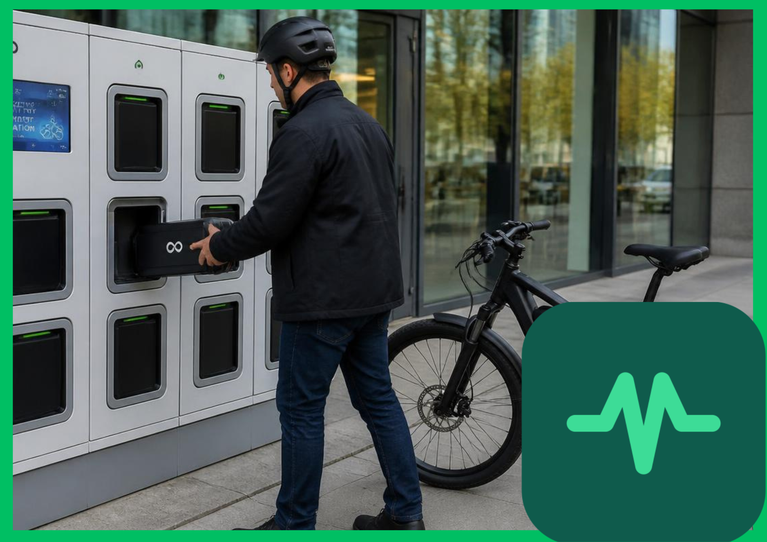
Charging an e-bike is usually far simpler than refueling a conventional vehicle. Many batteries can be removed and charged separately, indoors, away from the bike itself. Some models have batteries built directly into the frame instead.
Check exactly where the battery can be charged and how long a full charge normally takes before you buy. This small detail shapes your daily routine more than you might expect.
E-Bikes Can Be Useful for Commuters
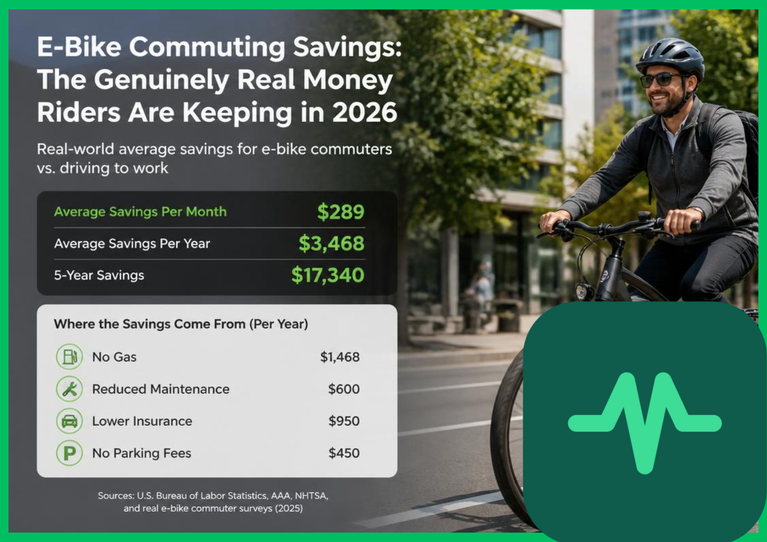
For some people, an e-bike can genuinely replace certain car trips entirely. That can meaningfully reduce fuel spending over time. It can also reduce the constant headache of finding parking in a crowded city.
This all depends on distance, weather, road conditions, and local infrastructure, though. It's not a universal fit for every commute everywhere.
E-Bikes for Older Riders
Electric assistance can make cycling genuinely accessible to more people than ever before. A rider who finds hills physically difficult may feel far more comfortable with motor assistance helping along the way.
Every rider should still choose a bicycle that matches their own ability and local safety requirements, though, rather than assuming assistance alone solves every challenge.
Cargo E-Bikes
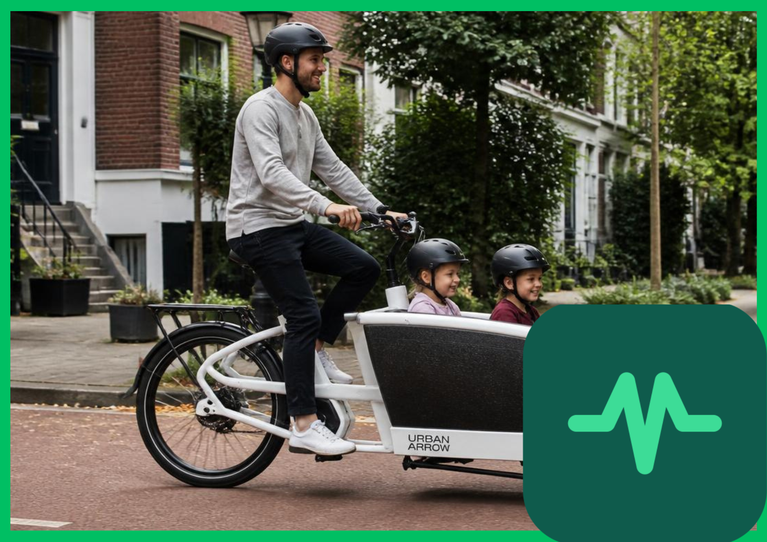
Cargo e-bikes represent another genuinely growing category worth knowing about. They can carry groceries home from the store easily. They can transport children where local rules and safety standards allow it. They can support small local businesses too, handling deliveries without a van.
For some short journeys, a cargo e-bike can replace a car trip entirely, and often more efficiently than you'd expect.
Safety Comes First
Don't focus only on speed and range when shopping for an e-bike. Safety equipment and responsible riding matter just as much, if not more.
Use appropriate protective equipment every time you ride. Follow local traffic laws closely. Use lights when required, especially at dawn, dusk, or night. Choose safe routes when possible. And make sure the bicycle stays properly maintained throughout its life, not just when something breaks.
Check the Battery and Charger
Before buying an e-bike, check the battery system carefully. Look into replacement availability specifically. Check the charger's specs and compatibility. Check the warranty terms closely too.
Also consider whether replacement parts are actually available in your country before committing. A cheap e-bike becomes genuinely frustrating fast if important parts prove difficult to obtain later.
New or Used?
A used e-bike can be attractive simply because of the lower price tag. Battery condition matters enormously here, though, more than with almost any other component.
The battery is one of the most expensive parts to replace on any e-bike. Ask directly about the battery's age, usage history, and current condition before buying used, rather than assuming it's fine.
EcoGreenPulse View
E-bikes are more than just a passing technology trend. They're part of a much wider shift happening in urban transportation right now.
For short and medium journeys, they offer a genuinely practical alternative to cars. They also demonstrate an important EcoGreenPulse principle worth remembering: sometimes, the cleanest transportation solution isn't a completely new kind of vehicle at all. It's simply a smaller, more efficient version of what already exists.
Conclusion
E-bikes can offer real convenience, genuine flexibility, and potentially lower transportation costs over time. Look beyond just the motor when shopping, though.
Battery quality matters. Range matters. Safety matters. After-sales support matters too, especially years down the road. Most importantly, choose a model that actually fits your real lifestyle, not the one that looks most impressive in a showroom.
Sources: International Energy Agency resources on transport electrification; International Transport Forum resources on sustainable urban mobility.

Comments (0)
Login to leave a comment.
No comments yet. Be the first to share your thoughts!