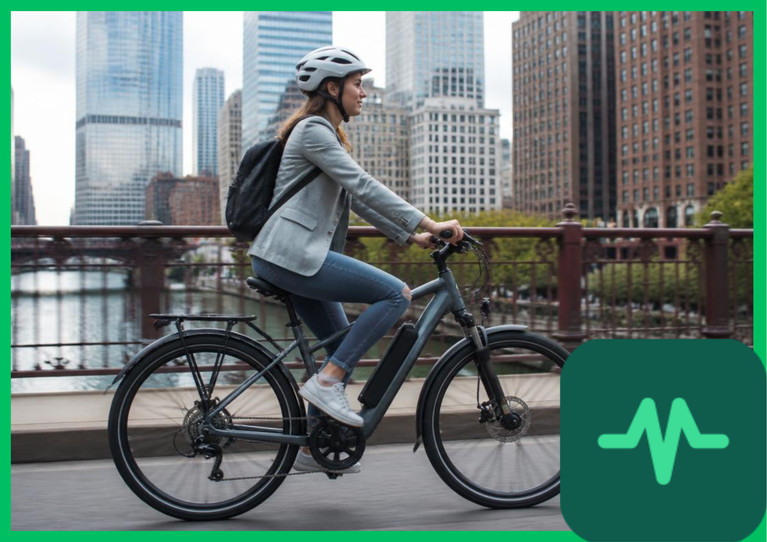
Getting around a busy city can be genuinely frustrating. Traffic moves slowly. Fuel costs money. Parking can be difficult to find. At the same time, many people want a cleaner, more affordable way to get around.
This is exactly where e-bikes are attracting real attention. Electric bikes combine human pedaling with an electric motor. The motor provides assistance as the rider pedals, depending on the specific bike and local regulations.
For many consumers, this creates an attractive middle ground. It's easier than riding a conventional bicycle. It's also very different from owning and maintaining a car.
What Is an E-Bike?
An electric bike is a bicycle equipped with a motor and battery system. The rider still operates the bike normally. The motor, though, provides extra assistance along the way.
Most e-bikes have a battery that recharges from a standard electrical outlet. That battery powers the motor. A controller manages how the whole system works together. Some models include a display showing speed, battery level, and assistance mode. Exact features vary a lot between brands and price points.
E-Bikes Can Make Cycling Easier
One of the biggest advantages here is assistance itself. A rider gets extra power when climbing a hill or starting from a stop, which makes cycling noticeably less tiring overall.
This matters a great deal for commuters. It matters for people living in hilly areas too, who might otherwise avoid cycling entirely. Electric assistance also makes longer journeys feel far more manageable. As a result, some people who wouldn't normally consider cycling at all start thinking about an e-bike seriously.
E-Bikes and Daily Commuting
For short trips, an e-bike can be genuinely practical. A commuter might use one to get to work. Someone else might use one for shopping trips. Students might use one to travel between locations, where local rules permit it.
In some cities, e-bikes even connect neatly with public transportation. A person could cycle to a train station, then continue their journey by train. This creates a flexible, multi-step transportation system that adapts to real daily needs.
E-Bikes Can Replace Some Car Trips
Not every journey actually requires a car. A short trip to a shop doesn't always need a vehicle behind it. The same goes for some trips to school, work, or local services.
Replacing some short car journeys with an e-bike reduces both fuel use and traffic congestion. Suitability still depends on distance, road safety, weather, and local infrastructure, so this isn't a fit for every trip or every rider.
Battery Range Matters
Battery range is one of the biggest questions consumers ask before buying. How far can an e-bike actually travel on one charge?
There's no universal answer here. Range depends on several factors working together:
- Battery capacity
- Rider weight
- Terrain
- Speed
- Wind
- Tire pressure
- Assistance level
- Temperature
- Riding style
Treat any advertised range as an estimate, not a guarantee. Real-world performance can look quite different depending on how and where you actually ride.
Bigger Batteries Are Not Always Better
A larger battery stores more energy, sure. It also adds weight and cost to the bike. Think about your normal journey before assuming bigger is better.
Someone riding five kilometers to work doesn't need the same battery as someone covering 40 kilometers daily. Buying the largest battery available may simply add unnecessary expense without any real benefit to your actual riding pattern.
Charging an E-Bike
Charging is usually straightforward. Many e-bikes charge through a standard household outlet, using the charger that came with the bike.
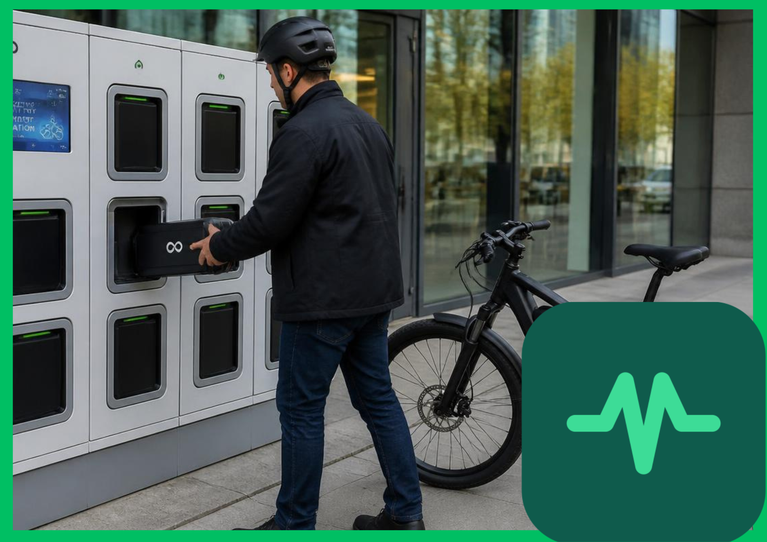
Some batteries can be removed from the bicycle entirely, which is genuinely useful for apartment residents without easy access to their bike while it charges. Always follow the manufacturer's charging instructions, though, and use compatible chargers only. Battery safety should always come first.
E-Bike Batteries Are Important
The battery is one of the most important parts of any e-bike. Modern e-bikes commonly use lithium-based battery technology.
Battery performance changes over time. Charging habits, temperature, and general usage all affect battery life. Check the manufacturer's guidance on this. If you're buying a used e-bike, battery condition deserves particularly close attention before you commit to a purchase.
What About Maintenance?
E-bikes still need normal bicycle maintenance on top of their electrical components. Tires need attention. Brakes need regular inspection. Chains and other mechanical parts wear down over time like any bike.
The electrical system needs its own care too. Make sure replacement parts and qualified service are actually available in your area, especially if you're buying from a less familiar brand.
E-Bikes and Safety
Safety should always come first. Riders should understand local traffic laws before heading out. They should use appropriate protective equipment. They should make themselves visible to other road users, especially in low light.
Safe riding matters even more in areas without dedicated cycling infrastructure. It's also worth understanding how e-bikes are legally classified in your country, since rules can differ significantly from one place to the next.
Are E-Bikes Expensive?
Prices vary widely across the market. Basic models can be relatively affordable. Premium models can cost significantly more. The final price often depends on:
- Battery size
- Motor power
- Frame material
- Suspension
- Braking system
- Electronics
- Brand
- Components
Focus on your actual needs rather than automatically reaching for the most expensive model on the shelf.
E-Bikes and the Environment
E-bikes run on electricity instead of petrol or diesel, which means they produce no tailpipe emissions while riding. Still, an e-bike isn't completely impact-free.
Materials must be mined. Components must be manufactured. The battery itself must be produced. Electricity is required for charging too. So an e-bike carries some environmental footprint of its own. That said, when an e-bike replaces car journeys, it offers a real, meaningful opportunity to reduce overall transport impact.
E-Bikes and Cities
E-bikes can genuinely influence how cities get designed. As more people adopt smaller electric vehicles like these, cities need safer cycling infrastructure to match.
This includes protected bike lanes. It includes secure parking and charging facilities too. Technology alone can't solve transportation problems on its own. Infrastructure matters just as much as the bikes themselves.
The Future of E-Bikes
This market keeps evolving quickly. Manufacturers keep improving batteries. Motors keep getting more compact. Connected features are becoming more common too.
Some models now connect directly to smartphones. Others include GPS or theft-tracking systems built in. Still, more technology doesn't automatically mean a better bicycle. Reliability and available service remain genuinely important, regardless of how many smart features a bike offers.
EcoGreenPulse View
E-bikes offer an interesting middle ground between traditional bicycles and cars. They make cycling easier. They help with commuting. They provide a genuinely practical option for short, everyday trips.
Still, buyers should weigh battery range, maintenance needs, safety, and local regulations carefully before purchasing, rather than choosing based on looks or price alone.
Conclusion
The rise of e-bikes shows that the future of mobility might not be about replacing every car with another car. Sometimes, the better solution is simply smaller.
Electric bicycles can provide affordable, flexible transportation for many everyday journeys. For consumers, the real key is choosing a model that actually fits their real needs, not the one with the most impressive spec sheet.
Source: International Energy Agency resources on transport electrification and sustainable mobility.

Comments (0)
Login to leave a comment.
No comments yet. Be the first to share your thoughts!