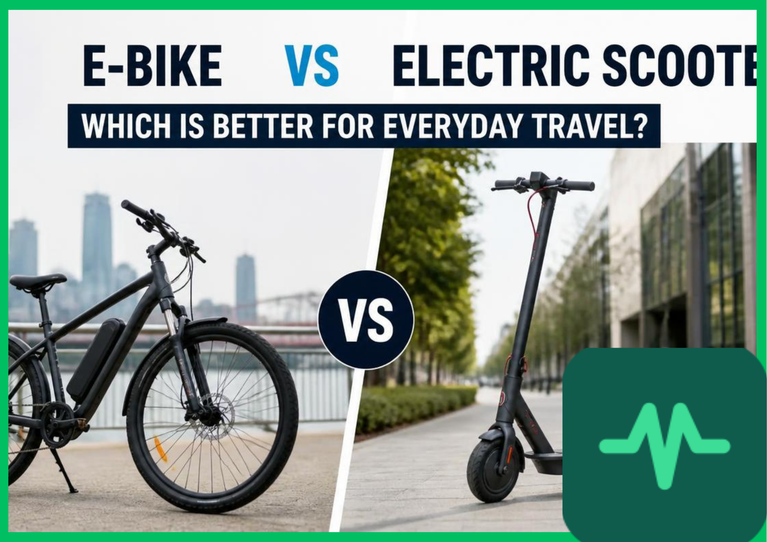
Getting around a busy city can be genuinely difficult. Traffic wastes valuable time. Fuel costs put real pressure on household budgets. Public transportation, meanwhile, isn't always convenient for every journey you need to make.
Smaller electric vehicles are attracting more attention because of this. Two popular options stand out: e-bikes and electric scooters. Both offer electric assistance. Both work well for short trips. They're not the same, though, and the differences matter more than you might expect.
Understanding those differences can make your buying decision far easier.
What Is an E-Bike?
An e-bike is a bicycle equipped with an electric motor and a rechargeable battery. The motor usually assists the rider while pedaling, rather than replacing pedaling entirely.
The rider stays an active part of the journey. This makes an e-bike feel closer to a conventional bicycle than you might expect. The electric motor just makes hills and longer distances noticeably easier.
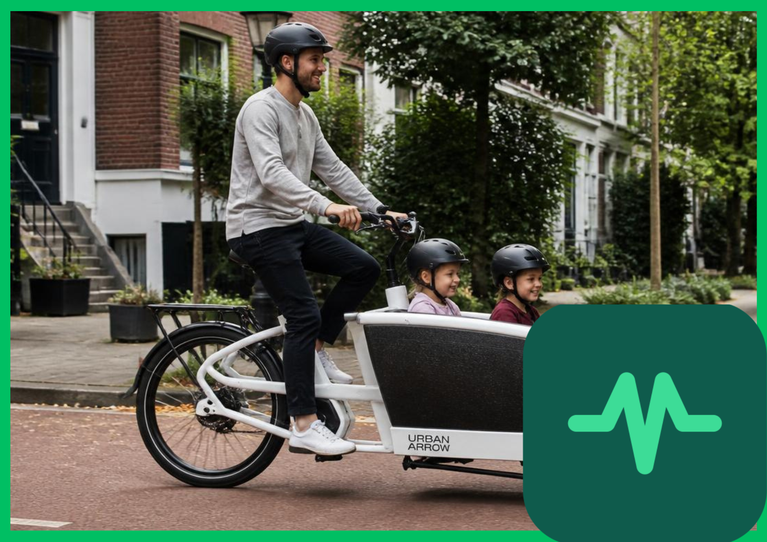
E-bikes come in many designs too. Some are built specifically for city commuting. Others are designed for cargo hauling, recreation, or longer touring journeys.
What Is an Electric Scooter?
An electric scooter uses a battery-powered motor to move the rider forward. Unlike most e-bikes, the rider generally doesn't need to pedal at all.
The scooter is controlled with a throttle or similar system, depending on the model and local regulations where you live. Electric scooters tend to be compact, which makes them genuinely appealing for short urban hops. They're often easier to carry or store too, compared to a larger e-bike.
Which Has Better Range?
Range depends heavily on the specific vehicle. Battery size matters. Weight matters. Speed matters too. Riding conditions can shift the numbers considerably as well.
Here's an important tip: don't compare range figures blindly without checking how each manufacturer actually measured them. Real-world range often comes in lower than advertised.
Think about your own normal journey instead of chasing the biggest number. If your daily trip is short, extreme range probably isn't something you need to pay extra for.
Comfort Matters
Comfort can be a real differentiator between the two. An e-bike usually offers a larger, more upright riding position. It often has bigger wheels too, which handle uneven roads more smoothly.
Electric scooters tend to have smaller wheels by design. That makes rough surfaces feel more noticeable underfoot. Designs vary widely across brands, though, so think honestly about the condition of the roads you actually ride on every day.
E-Bike vs Electric Scooter for Hills
Hills can genuinely influence which option makes more sense for you. An e-bike combines your own pedaling with motor assistance, which helps a lot on slopes.
Electric scooters provide motor power too, of course. Performance still depends on motor output, battery capacity, rider weight, and just how steep the hill actually is. If your regular route includes several steep climbs, check the manufacturer's specifications carefully before buying either option.
Storage Is Important
Storage tends to favor scooters here. Many electric scooters are designed to fold down compactly, which is genuinely useful in small apartments or busy offices.
Some e-bikes fold too, but most conventional e-bikes stay fairly large regardless. Measure your available storage space before buying anything. This one simple step can save you from a genuinely expensive mistake.
Charging
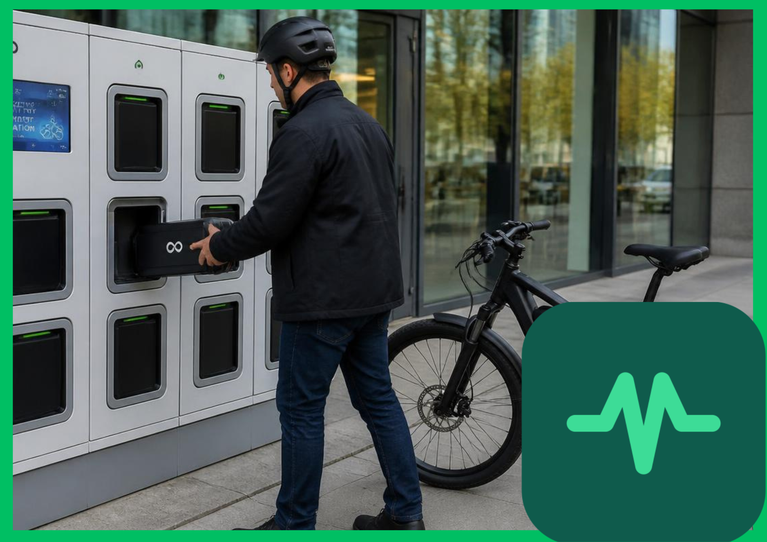
Both vehicle types need regular charging. Some e-bike batteries are removable, which helps if you can't easily bring the whole bicycle indoors to charge.
Electric scooters can have either removable or fixed batteries, depending on the specific model. Before buying, check exactly how the battery charges. Also think honestly about where you'll actually charge it day to day.
Which Is Easier to Ride?
This really comes down to personal preference. An e-bike requires pedaling, and plenty of people genuinely enjoy that. Others prefer the simpler, more straightforward operation of an electric scooter instead.
An e-bike also tends to feel more familiar if you already ride bicycles regularly. Whatever you choose, though, spend real time learning how the vehicle handles before taking it into busy traffic for the first time.
Safety Should Come First
Safety matters enormously with both vehicle types. Understand your local traffic rules before riding either one. Stay visible to others around you. Watch carefully for cars, pedestrians, and other road users sharing your space.
Road conditions matter too. Potholes, wet surfaces, and loose gravel or debris all create real risks. Use appropriate protective equipment every time you ride, not just when it feels convenient.
What About Maintenance?
Both vehicles need regular maintenance to stay safe and reliable. E-bikes have standard bicycle components, like tires, brakes, and chains, that wear over time. Electric scooters have tires and braking systems too, alongside their own components.
Battery and electrical parts need additional attention on both. Check how easily replacement parts are available before buying. A cheap vehicle becomes genuinely frustrating fast if spare parts are hard to track down when something breaks.
Which Is More Sustainable?
Both options can support lower-emission urban travel in a real way. Neither is completely impact-free, though. Manufacturing requires materials and energy no matter which you choose. Batteries need raw materials too.
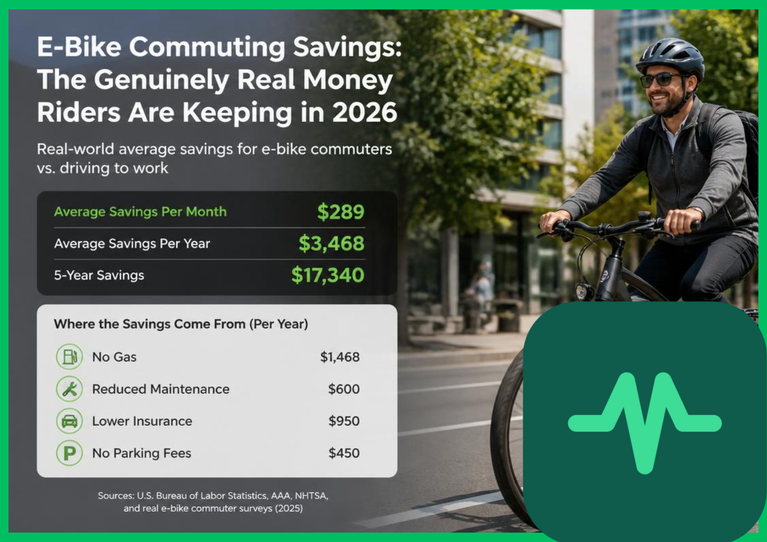
The biggest environmental benefit shows up when these vehicles actually replace car trips. Swapping a short petrol car journey for an electric two-wheeler cuts direct fuel use in a way that's easy to overlook but genuinely adds up.
Which Is Better for Commuting?
For longer daily commutes, an e-bike often has real advantages. It offers greater comfort over distance. It also lets you get some exercise while the motor takes the edge off the effort.
For very short trips, an electric scooter can feel more convenient overall. Either way, always factor in your local laws and available infrastructure before deciding, since rules vary a lot between cities.
Which One Should You Choose?
There's no universal winner here, and that's genuinely okay. Choose an e-bike if you value:
- Comfort
- Longer trips
- Pedal assistance
- Larger wheels
- Bicycle-style riding
An electric scooter may suit you better if you value:
- Compact size
- Easy storage
- Short trips
- Simple operation
- Portability
Which list sounds more like your actual daily life? That's usually your answer.
EcoGreenPulse View
The e-bike vs electric scooter debate ultimately comes down to personal needs, not a universal ranking. Neither option is automatically better than the other.
The right choice depends on your typical distance, your local roads, your available storage, your charging setup, and the regulations where you actually live and ride.
Conclusion
Both e-bikes and electric scooters play a genuinely important role in the future of urban mobility. They help consumers reduce dependence on cars for short journeys. They make local travel more flexible and often more enjoyable too.
Before buying, look beyond the purchase price alone. Consider range honestly. Think through charging logistics. Check on maintenance and parts availability. Consider safety seriously. Most importantly, choose the vehicle that actually fits your everyday life, not the one that looks best in an ad.
Sources: International Energy Agency resources on transport electrification and sustainable mobility.

Comments (0)
Login to leave a comment.
No comments yet. Be the first to share your thoughts!