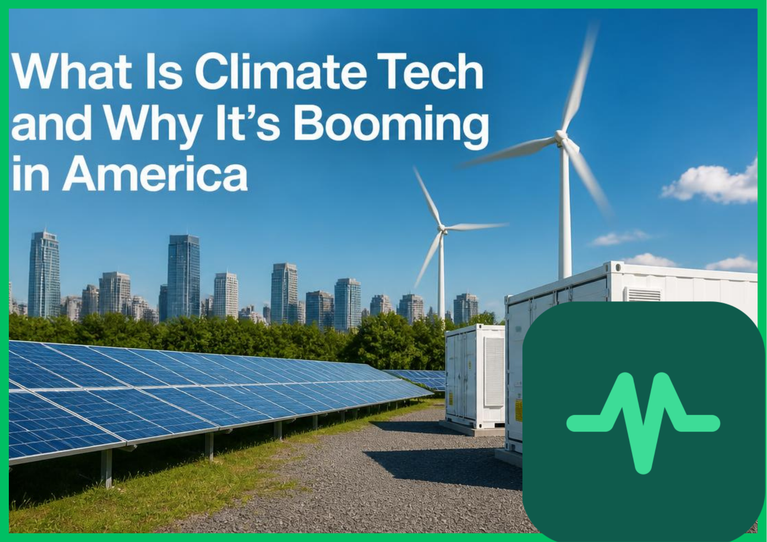
You've probably heard the term "climate tech" tossed around in the news. Maybe it sounded like corporate jargon. Something for investors, not for you.
It's not. Climate tech touches your electric bill. It touches the car in your driveway. It might even touch your next job. Let's break down what it actually means, in plain English.
Climate Tech, Simply Explained
Climate tech is any technology built specifically to fight climate change. That's really the whole definition.
It's not one single industry. It's a huge, sprawling mix of ideas. Solar panels count. So do smarter batteries. So does lab-grown meat, weirdly enough. If a technology exists to cut carbon emissions, it falls under this umbrella.
This matters because climate tech isn't some future fantasy anymore. It's already in your home, your car, and probably your grocery store.
Why America Is Betting Big on This
Here's something genuinely encouraging. American investment in climate tech has exploded over the past few years. Billions of dollars are pouring into batteries, clean fuels, and smarter grids.
Part of this comes down to jobs. Building solar farms takes workers. Manufacturing batteries takes workers too. Climate tech isn't just an environmental story anymore. It's becoming an economic one, and that's exactly why so many American states are competing hard to attract it.
Texas, of all places, has become a genuine solar powerhouse. Georgia is building battery factories. This isn't happening because of idealism alone. It's happening because there's real money, and real jobs, on the table.
The Technologies Actually Driving This Boom
A few areas are pulling more weight than others right now.
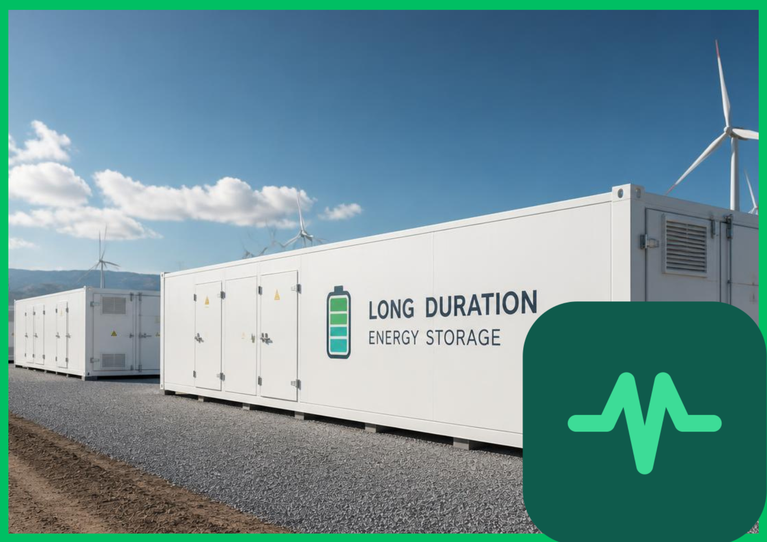
Batteries lead the pack. Every electric car, every home battery, every grid storage system depends on better battery chemistry. American companies are racing to build this at scale, and racing hard.
Carbon capture is another big one. This technology literally pulls carbon dioxide out of the air or straight from factory smokestacks. It sounds like science fiction. It's real, and it's already running in several states.
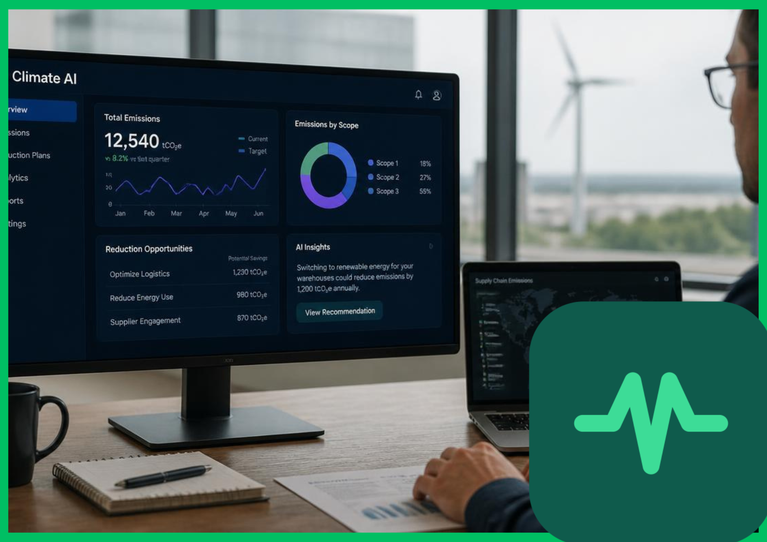
Then there's the quieter stuff. Smarter thermostats. Better insulation materials. Software that helps factories waste less energy. None of this makes headlines, but together, it adds up to something huge.
Why This Feels Different From Past Green Movements
Older environmental efforts often asked people to sacrifice something. Drive less. Buy less. Use less.
Climate tech flips that script entirely. It's not about sacrifice. It's about building something genuinely better. A heat pump that heats your home more efficiently isn't a sacrifice. It's an upgrade. An EV that costs less to fuel isn't a sacrifice either. It's just smart.
That shift matters emotionally too. People respond better to hope than to guilt. Climate tech, at its best, offers real hope instead of another lecture.
The Honest Challenges Standing in the Way
It would be dishonest to pretend this is all smooth sailing. Climate tech faces real obstacles.
Funding can dry up fast when interest rates rise. Startups fail, sometimes spectacularly, after burning through millions in investment. Some technologies get overhyped, promising breakthroughs that never quite arrive on schedule.
There's also a fairness question worth sitting with. Not every American community benefits equally from this boom. Wealthier areas often get first access to new technology, while lower-income communities wait longer, or get left out entirely. Good climate tech policy has to grapple with this honestly, not just celebrate the wins.
What This Means for You, Personally
You don't need to work in tech to feel this shift. If you've looked into solar panels, an EV, or a heat pump lately, you've already brushed up against climate tech directly.
Prices on these technologies keep falling too. What felt like a luxury five years ago is becoming genuinely mainstream today. That trend is likely to keep accelerating, not slowing down.
Jobs Are Part of This Story Too
If you're job hunting, or thinking about a career shift, this space is worth watching closely. Climate tech companies are hiring engineers, sure. They're also hiring electricians, sales reps, marketers, and factory workers.
This isn't a niche corner of the economy anymore. It's becoming a genuine pillar of American manufacturing and innovation, with real, stable jobs attached to it.
Common Questions About Climate Tech
Is climate tech the same as renewable energy?
Not exactly. Renewable energy is one important piece of climate tech, but the category also includes batteries, carbon capture, sustainable materials, and much more.
Why is climate tech growing so fast in America right now?
A mix of falling costs, strong investment, and genuine consumer demand for cheaper, cleaner options is driving this growth forward.
Does climate tech actually create jobs?
Yes. From battery factories to solar installation crews, climate tech is creating real, tangible employment across the country.
Final Thoughts
Climate tech isn't some distant, abstract concept anymore. It's the heat pump warming your neighbor's house. It's the battery in your phone getting a little better every year. It's showing up quietly, all around you, whether you've noticed it yet or not.
This industry is still young, and it's still figuring itself out. But the direction feels genuinely hopeful. For once, fighting climate change doesn't have to mean giving something up. It can mean building something better instead.

Comments (0)
Login to leave a comment.
No comments yet. Be the first to share your thoughts!