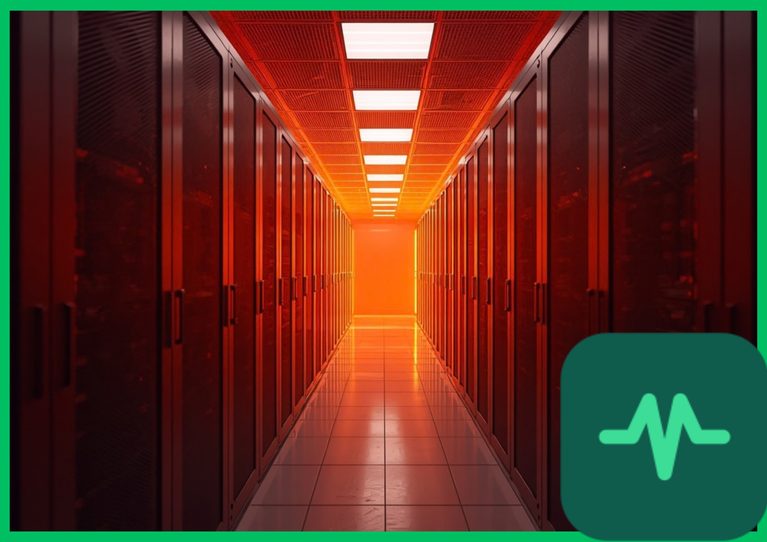
Why data centers create so much heat
Rows of servers run constantly, processing everything from emails to streaming video to artificial intelligence. All that processing generates heat as a natural byproduct, the same way your laptop gets warm after heavy use, just at a massive scale.
Data centers typically remove this heat using large cooling systems, sending it outside where it simply disappears, doing nothing useful for anyone.
The idea that changes this completely
Instead of throwing that heat away, some buildings now capture it and use it for their own heating needs. A heat pump can take the mild warmth released by a data center and boost it to a genuinely useful temperature for heating living or office spaces nearby.
This means a data center's unwanted heat becomes someone else's wanted warmth, with almost nothing going to waste in the process.
A real example already working today
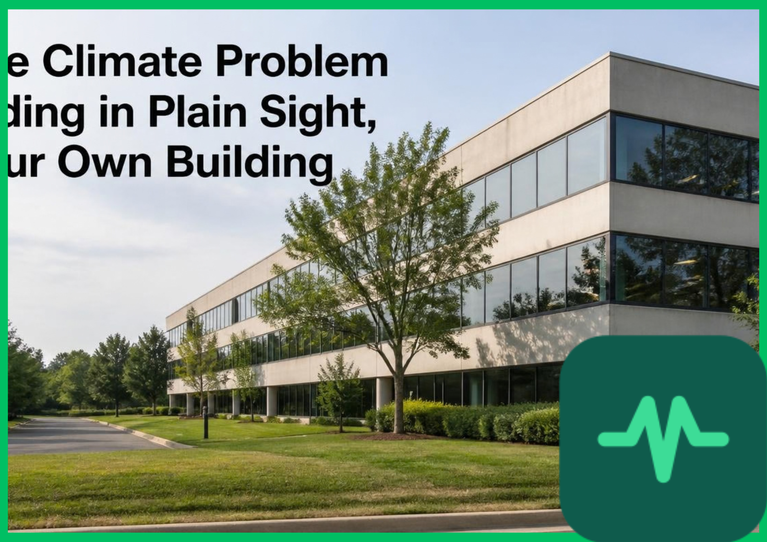
One well-documented example involves an office building in Seattle, which has been heated since 2017 using waste heat recovered from a neighboring data center. Heat pumps capture the warmth and distribute it through the building's heating system.
This isn't a small experiment. It's been running successfully for years, quietly proving that this approach works in real, everyday conditions, not just in a research lab.
Why this matters more as data centers keep growing
As more of daily life moves online, and as artificial intelligence use continues expanding rapidly, data centers keep growing larger and more numerous. This means more waste heat is being produced than ever before.
Capturing even a portion of this growing heat supply could meaningfully reduce the energy needed to heat nearby buildings, turning a growing problem into a growing opportunity instead.
How heat pumps make this possible
A heat pump doesn't create heat from nothing. It moves existing heat from one place to another, making it warmer in the process. This is the exact same basic idea used in home heat pumps, just applied at a larger, more industrial scale here.
Because data center waste heat starts out mild rather than cold, heat pumps can boost it to a useful temperature quite efficiently, using less energy than starting from scratch would require.
Why this connects to a bigger idea in heating
Recent global research on heat pump technology has highlighted several unusual heat sources being tapped this way, including sewage systems, subway tunnels, and industrial waste heat, alongside data centers specifically.
This reflects a genuinely broader shift in how we think about heating. Instead of only generating heat, cities are increasingly looking for existing warmth that's already there, simply waiting to be captured and reused properly.
Why this requires buildings to be near each other
This approach works best when a data center and the buildings needing heat sit reasonably close together, since moving heat efficiently over very long distances is considerably more difficult.
This means citywide planning matters here. Placing data centers thoughtfully near buildings that could use their waste heat creates real, practical opportunities that wouldn't exist if these facilities were scattered randomly across a wider area.
The honest limitations still worth understanding
Not every data center sits conveniently near buildings that need heating. Retrofitting existing buildings and data centers to connect this way also requires real investment and careful engineering.
This approach works particularly well for new construction planned with this connection in mind from the very beginning, rather than being easily added to buildings never designed with it in view.
Why this represents genuinely smart climate thinking
Rather than treating waste heat and heating needs as two separate, unrelated problems, this approach connects them directly. One facility's unwanted byproduct becomes another facility's genuine need, met efficiently rather than wastefully.
This kind of thinking, finding value in what would otherwise be thrown away, shows up across many climate solutions, and data center heat recovery is a particularly clear, tangible example of it in action.
What this could look like in more cities
As more cities plan new developments, pairing data centers with nearby housing or office buildings specifically for this kind of heat sharing could become an increasingly common feature of urban planning.
This wouldn't just help with heating. It would also make data centers themselves feel like more genuinely useful neighbors, rather than purely private facilities disconnected from their surrounding community.
The bottom line
Data centers produce enormous amounts of heat that mostly goes to waste today. Capturing that heat with heat pumps and using it to warm nearby buildings turns an overlooked byproduct into a genuine, practical heating resource.
As data centers keep growing alongside rising digital and AI use, this kind of creative heat reuse offers a real, working example of climate technology quietly solving two problems with one clever solution.
Comments (0)
Login to leave a comment.
No comments yet. Be the first to share your thoughts!