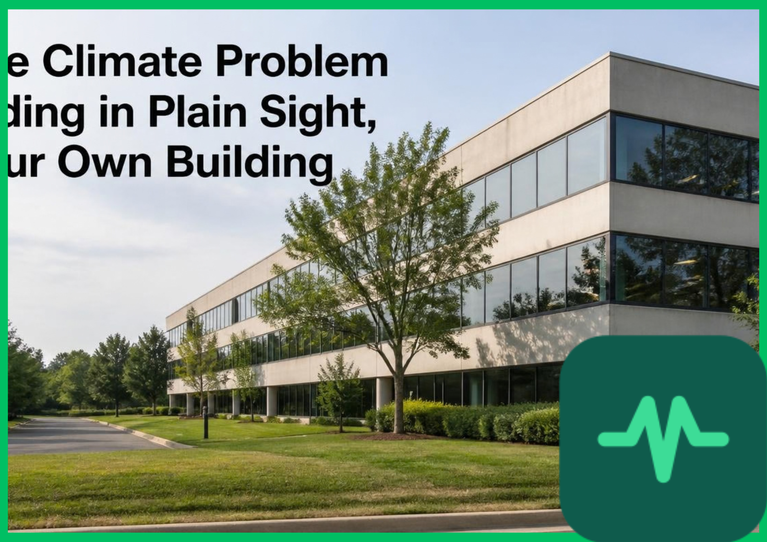
The number that surprises most people
A major report from the United Nations Environment Programme found that buildings and construction cause around 37 percent of global carbon emissions. That's more than a third of the entire global total, coming from something as ordinary as walls, roofs, and heating systems.
This number includes both the energy buildings use every day and the emissions created while actually building them in the first place.
Why buildings create emissions in two separate ways
The first source is easy to picture. Heating, cooling, and lighting a building takes energy, and that energy often comes from sources that release carbon.
The second source is less obvious. Making the materials that go into a building, like cement and steel, is itself a heavily polluting process. This is often called embodied carbon, and it happens before anyone ever moves in.
Why this problem is so hard to fix
Cars eventually wear out and get replaced every few years. Buildings last for decades, sometimes over a century. This means old, inefficient buildings stick around for a very long time, continuing to waste energy long after better options exist.
At the same time, the world keeps building more. Cities keep growing. New homes, offices, and schools keep going up, adding new emissions even as we try to fix the old ones.
The one genuinely hopeful number in the report
Not everything in the report was discouraging. Over the past decade, the floor space of buildings around the world grew by 20 percent. Energy demand from those same buildings only grew by 11 percent.
This means buildings, on average, have become noticeably more efficient. We're building more, but each square meter uses less energy than it used to. That's real, measurable progress, even if it's not happening fast enough yet.
Why "not fast enough" is the honest verdict
The report was clear that current progress still falls short of what's needed. Investment in making buildings more efficient needs to more than double by 2030 to stay on track with global climate goals.
This is the honest tension at the heart of the story. Real progress is happening, but the pace needs to speed up considerably if buildings are going to stop being such a large piece of the climate problem.
Why half of tomorrow's buildings don't exist yet
Here's a detail worth sitting with. About half of all the buildings that will exist by 2050 haven't been built yet. This is both a warning and an opportunity.
If those future buildings get built the old way, the problem gets worse. If they get built with better materials and better design from the start, this could be one of the biggest opportunities to cut emissions available anywhere.
What better building actually looks like
Better insulation keeps heat in during winter and out during summer, cutting how much energy heating and cooling systems need to use. Materials with lower embodied carbon, like certain types of recycled steel or timber, reduce emissions before a building is even finished.
On-site renewable energy, like rooftop solar, lets a building generate some of its own clean power instead of relying entirely on the grid.
Why some regions are further ahead than others
The report highlighted real progress in specific places. Some countries have updated their building codes to require better energy performance. Others have seen strong growth in rooftop solar installations on both homes and larger buildings.
This uneven progress shows that solutions already exist and already work. The challenge now is spreading them further and faster, rather than needing to invent something new.
Why this matters for anyone building or renovating
If you're building a new home or planning a renovation, the choices you make ripple far beyond your own energy bill. Better insulation, efficient heating, and thoughtful material choices all contribute to this much bigger, global picture.
You don't need to solve climate change single-handedly. But understanding that your own building decisions connect to this larger story adds real weight to choices that might otherwise feel purely personal or financial.
Why this deserves more everyday attention
Buildings rarely make dramatic headlines the way a wildfire or a flood does. Yet according to the numbers, they quietly cause more emissions than most of the things we usually blame first.
Giving this problem the attention its scale actually deserves is an important first step toward genuinely solving it.
The bottom line
Buildings cause more global emissions than most people assume, nearly 37 percent according to a major UN report. Real progress has happened, with buildings becoming more efficient even as more get built.
But the pace of that progress needs to speed up considerably to meet global climate goals. With half of all future buildings still unbuilt, the choices made over the next few years will shape this picture for decades to come.



Comments (0)
Login to leave a comment.
No comments yet. Be the first to share your thoughts!