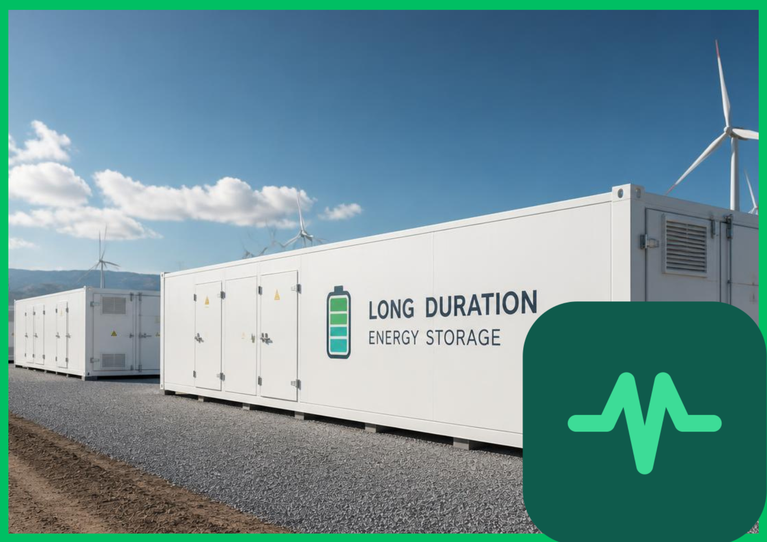
Long Duration Battery Storage: The Missing Piece is Here
Solar panels stop working at night. Wind turbines stop when the air goes still. This has genuinely been clean energy's biggest, most honest weakness for years. Long duration battery storage might finally fix it.
Let's talk simply about what this technology actually does, and why it genuinely matters to you.
Why Regular Batteries Genuinely Weren't Enough
Most home and grid batteries you've heard about genuinely store just a few hours of power. That's genuinely useful for short gaps, like evening hours after solar production drops.
It doesn't genuinely help during longer stretches, multiple cloudy days, or extended calm periods without wind. That's exactly the gap long duration storage aims to close.
What "Long Duration" Actually Means
These newer battery technologies can genuinely store power for ten hours, twenty hours, sometimes even multiple days, far beyond what typical lithium batteries handle well.
This genuinely matters because it lets grids store excess clean energy during good conditions, then release it during genuinely extended lulls, without falling back on fossil fuels.
Why This Isn't Just Bigger Lithium Batteries
Here's something genuinely interesting. A lot of long duration storage doesn't even use traditional lithium batteries. Some technologies use iron, air, and water in genuinely clever combinations. Others use molten salt or compressed air.
This diversity genuinely matters, since it reduces dependence on materials that can be expensive or difficult to source at massive scale.
Why This Genuinely Matters for Your Power Bill
When grids can't store energy efficiently, they often fall back on expensive backup power during shortages, costs that genuinely get passed along to consumers.
Long duration storage could genuinely reduce this reliance, helping keep electricity prices more stable, especially during genuinely extreme weather events that strain the grid.
Real Projects Already Underway
Several companies are genuinely building pilot and commercial-scale long duration storage projects right now, testing different technologies in real, working conditions.
Early results have genuinely shown promise, though this remains an emerging, still-maturing industry.
The Honest Challenges Ahead
Let's be real about genuine hurdles here. These technologies are genuinely newer, meaning costs remain higher than established lithium batteries for now.
Scaling up manufacturing and construction fast enough to matter for broader climate goals also remains genuinely uncertain, though investment keeps growing steadily.
Why This Feels Like Genuine Relief
There's something genuinely comforting about knowing solutions exist for clean energy's biggest weakness. For years, skeptics genuinely pointed to "what happens when the sun isn't shining" as a real, valid concern.
Long duration storage offers a genuine, honest answer to that question, not just hopeful promises.
What This Means for Grid Reliability
As more long duration storage comes online, grids become genuinely more resilient during extreme weather, reducing the risk of the kind of widespread outages that have made headlines in recent years.
Common Questions
Is long duration storage available for home use yet?
Mostly not yet. This remains genuinely focused on large, grid-scale projects for now.
Why not just use more lithium batteries instead?
Lithium genuinely works well for short-term storage, but becomes less cost-effective for genuinely extended, multi-day storage needs.
How soon will this technology genuinely scale up?
Growth is happening steadily, though full-scale, widespread deployment will genuinely take continued years of investment.
Final Thoughts
Long duration battery storage represents a genuinely important, honest answer to clean energy's biggest weakness. It's quiet, unglamorous work, but it might genuinely be one of the most important climate technologies developing right now.



Comments (0)
Login to leave a comment.
No comments yet. Be the first to share your thoughts!