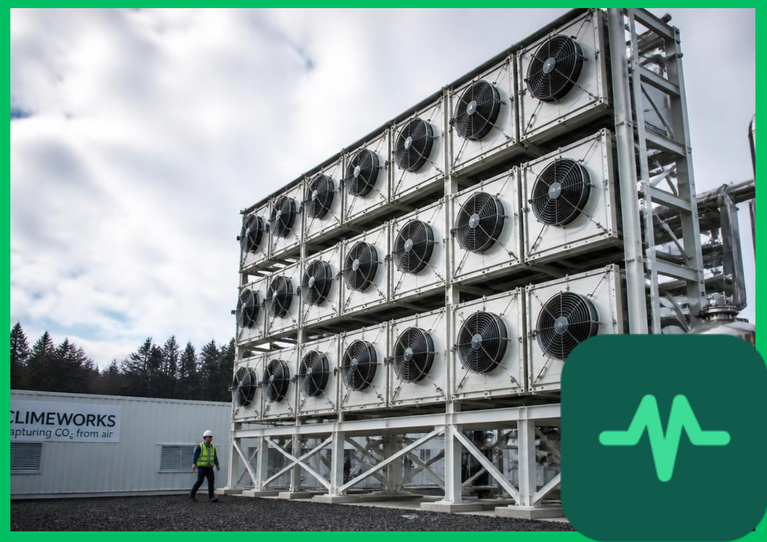
Even if we stopped burning fossil fuels today, the greenhouse gases won't stop warming the planet for decades. Why? This is because it is trapped in the sky. Therefor, emissions reduction alone is no longer enough. We also need carbon removal.
A fascinating and heavy industrial technology is rising to meet that challenge. And what is that? It is direct air capture.
Direct air capture machines pull carbon dioxide straight out of the open atmosphere and locks it away permanently.
Here is a look at the engineering and chemical principles behind atmospheric carbon scrubbing.
The Challenge of Atmospheric Dilution
Pulling carbon dioxide out of industrial smokestacks is relatively easy because the gas is concentrated in exhaust fumes.
Pulling carbon dioxide out of the open sky is an entirely different engineering hurdle.
Carbon dioxide makes up a tiny fraction of our ambient air—roughly 420 parts per million. That means out of every million molecules of air passing through a machine, only a few hundred are carbon dioxide.
To capture meaningful quantities of carbon, direct air capture facilities must process millions of cubic meters of wind-driven air every single day.
It requires massive fans, sophisticated chemical filters, and vast amounts of energy to scrub the sky.
DAC Engineering Principles and Chemistry
Direct air capture facilities use two primary technological approaches. They are the liquid solvent systems and solid sorbent systems.
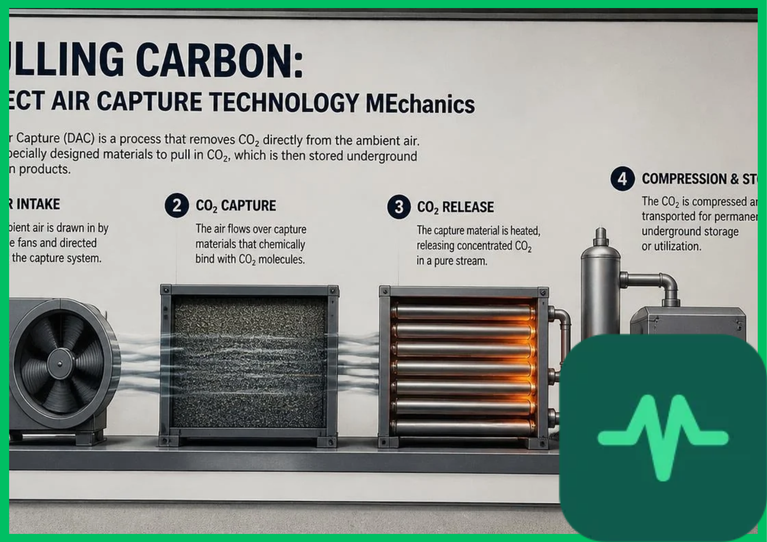
In liquid systems, massive industrial fans pull ambient air through large towers where it contacts a liquid chemical solution. This is typically potassium hydroxide. A chemical reaction occurs, binding the carbon dioxide molecules into the liquid while releasing the purified air back outside. The liquid is then heated to high temperatures in a regeneration cycle, releasing pure, concentrated carbon dioxide gas while recycling the chemical solvent for reuse.
Solid systems use porous chemical filters coated with basic compounds. As air blows through the solid matrix, carbon dioxide molecules stick to the filter surface. Once the filter is saturated, the chamber is sealed, heated under a vacuum, and the trapped carbon is released in pure form.
Once captured, this concentrated carbon dioxide can be permanently injected deep underground into basalt rock formations, where it mineralizes into stone over time, or utilized in sustainable chemical manufacturing.
Powering the Scrubbers
There is a vital catch at the heart of direct air capture: energy consumption.
Running massive industrial fans and generating the high heat required to release trapped carbon takes substantial power.
If a direct air capture plant runs on electricity generated by burning coal or natural gas, it will emit more carbon than it captures, rendering the entire process pointless.
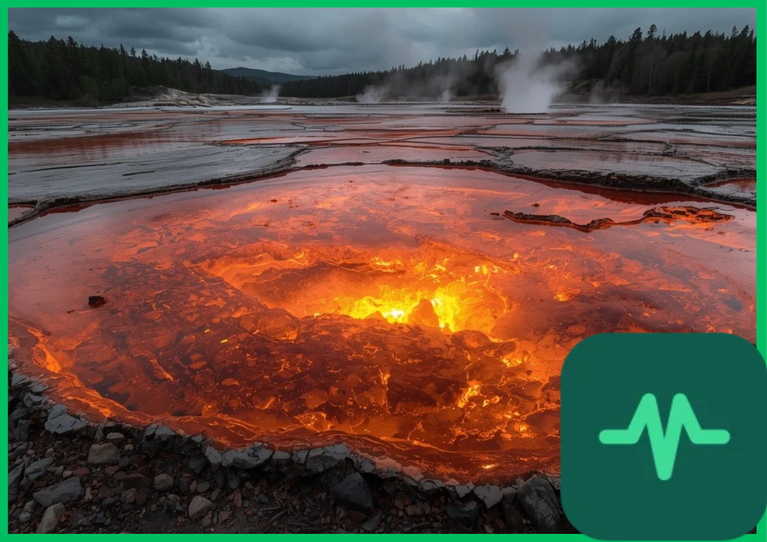
For DAC technology to succeed, facilities must be powered entirely by dedicated renewable energy sources like geothermal, solar, or wind power.
When powered by clean energy, direct air capture provides a true net-negative emissions tool.
Scaling a New Industrial Sector
Direct air capture has moved from university laboratories into heavy industrial reality. Facilities are scaling up across multiple continents.
While it is not a silver bullet that replaces the urgent need to stop burning fossil fuels, DAC acts as an essential insurance policy for our global climate.
By scrubbing legacy emissions straight from the sky, engineering is helping us clean up the atmosphere and restore balance to our shared planet.
Comments (0)
Login to leave a comment.
No comments yet. Be the first to share your thoughts!