Somewhere in Texas, right now, a machine is quietly pulling carbon dioxide directly out of the open air. Not from a smokestack. Not from a factory. Just from the regular air all around us.
This is direct air capture. It genuinely sounds like something from a science fiction movie. Let's talk honestly about how direct air capture actually works. And let's look at whether this technology can realistically help with climate change.
Direct Air Capture, Explained Simply
Direct air capture is often shortened to DAC. These systems use large machines equipped with fans and special chemical filters. Air gets pulled in. The machine captures the carbon dioxide inside it. Then it releases the rest of the air back out, now with less carbon dioxide than before.
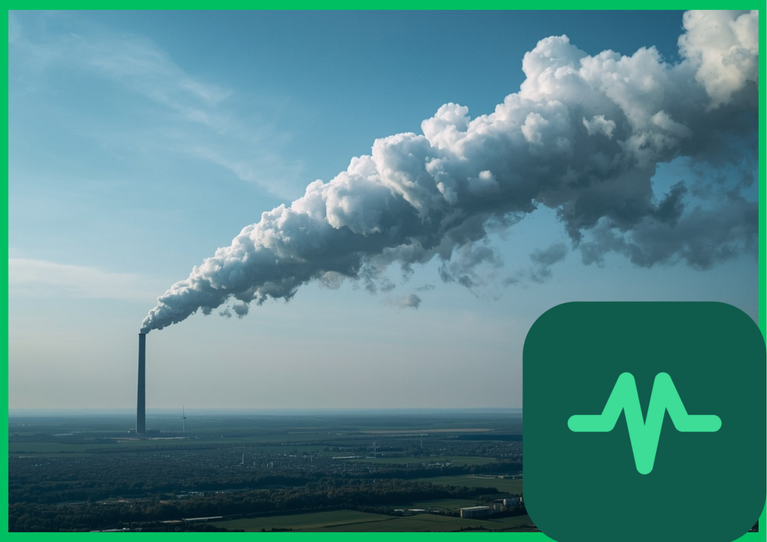
Capturing carbon at a smokestack is different. There, carbon dioxide is genuinely concentrated in one place. Direct air capture has to work with regular atmospheric air instead. Carbon dioxide is far more spread out and diluted there. This makes the whole process genuinely harder. It also takes more energy.
Why This Approach Is Genuinely Different From Prevention
Most climate solutions focus on preventing new emissions. Think solar power instead of coal. Think an EV instead of a gas car. Direct air capture works differently. It doesn't prevent new emissions at all. Instead, it removes carbon that's already sitting in the atmosphere.
This distinction genuinely matters. Even if the entire world stopped emitting new carbon tomorrow, we'd still face a real problem. Decades of accumulated emissions are already warming the planet. Direct air capture offers a genuine tool for actually reducing that existing atmospheric burden.
How the Actual Chemistry Works
The specific chemistry varies by company and technology. The basic idea, though, is genuinely elegant. Air gets pulled into the machine through large fans. It passes over a special chemical filter. That filter specifically binds to carbon dioxide molecules. The rest of the air passes through unaffected.
Eventually, the filter becomes saturated with captured carbon dioxide. At that point, it gets heated or treated to release the gas. This creates a concentrated stream of pure carbon dioxide. That stream can then be stored permanently, typically deep underground.
Real Facilities Already Operating in America
This isn't purely theoretical anymore. Direct air capture facilities are genuinely running right now. Notable projects exist in Texas and other states. These machines are pulling real carbon dioxide from real air, every single day.
These early facilities remain relatively small. They're smaller than what's genuinely needed to make a meaningful global impact. Still, they represent something important. They prove direct air capture actually functions outside a laboratory setting.
The Honest Cost Problem
Let's be real about the biggest obstacle here. Direct air capture is genuinely expensive. It costs more per ton of carbon removed than most other climate solutions currently available.
Pulling diluted carbon dioxide out of open air takes real, substantial energy. That energy costs real money. Until costs come down significantly, direct air capture will likely stay a smaller piece of the overall climate solution puzzle. It won't become the dominant approach anytime soon.
Why Costs Are Genuinely Expected to Fall
Here's some genuine reason for optimism, though. Costs for new technologies almost always fall over time. This happens as production scales up. It happens as engineers refine the process too. Direct air capture appears to be following that familiar pattern.
Several companies are actively working to reduce costs. They're improving the chemistry involved. They're designing more efficient systems. They're achieving genuine economies of scale as they build larger facilities. Costs have already fallen meaningfully since the earliest pilot projects launched years ago.
Where the Captured Carbon Actually Goes
Once carbon dioxide gets captured, it needs somewhere to go. This part matters enormously. It determines whether the whole process genuinely helps the climate or not.
Most captured carbon gets injected deep underground. It goes into secure geological formations. There, it's designed to stay locked away permanently, essentially forever. Some captured carbon also gets used in industrial processes. Manufacturing certain building materials is one example. Permanent underground storage, though, remains the primary approach.
Why Some People Are Genuinely Skeptical
It's worth acknowledging honest skepticism here too. Critics genuinely worry about one thing in particular. They fear direct air capture might distract from more urgent, cheaper work. That work involves simply cutting new emissions in the first place.
There's a real, legitimate concern too. Some polluting industries might use this technology as an excuse. They could keep polluting, rather than genuinely reducing their own emissions directly. This skepticism deserves real consideration. It shouldn't get dismissed outright.
Why Others See Genuine, Necessary Hope Here
At the same time, many climate scientists hold a different view. They genuinely believe some amount of direct air capture will be necessary. This should happen alongside emissions cuts, not instead of them, to meet global climate goals.
We're already committed to a certain amount of warming. Past emissions guarantee that much. Some carbon removal, paired with aggressive efforts to prevent new emissions, appears genuinely necessary. Most credible climate scenarios experts have modeled point to this same conclusion.
American Investment Is Genuinely Growing
The federal government has started offering meaningful financial incentives. These support direct air capture projects specifically. This reflects genuine recognition of the technology's potential role. It could become an important piece of America's broader climate strategy.
This funding matters enormously. It helps direct air capture scale up faster than it could through private investment alone. It also helps bring costs down more quickly.
What This Means for Regular Americans
You won't personally buy a direct air capture machine for your backyard anytime soon, honestly. This remains large-scale, industrial technology, built for serious infrastructure, not individual homes.
Your tax dollars, though, may help fund this research and deployment through government incentive programs. And genuinely, the more direct air capture succeeds and scales, the more real tools we collectively have. Those tools help us address the climate challenges already locked into our atmosphere.
Common Questions About Direct Air Capture
Is direct air capture actually working right now, or just theoretical?
It's genuinely operational. Real facilities in Texas and elsewhere are actively pulling carbon dioxide from open air today, not just running laboratory tests.
Why is direct air capture more expensive than other carbon capture methods?
Atmospheric carbon dioxide is far more diluted than what comes from a factory smokestack. Capturing the same amount from open air requires more energy and effort.
Where does the captured carbon dioxide actually go?
Most gets injected deep underground into secure geological formations. It's designed to stay locked away there permanently.
Could direct air capture alone solve climate change?
No, and most experts don't claim it could. It's genuinely meant to work alongside serious emissions reductions, not replace them entirely.
Final Thoughts
Direct air capture genuinely sounds like science fiction. Machines quietly vacuuming carbon dioxide straight from the sky? It's real, though. It's already running today. And it offers a genuine, necessary tool for addressing emissions already locked into our atmosphere.
It's not a magic fix, and nobody credible claims that it is. It's one more honest, hard-won piece of a much larger puzzle. That puzzle genuinely needs every available tool, including direct air capture, working together to succeed.



Comments (0)
Login to leave a comment.
No comments yet. Be the first to share your thoughts!