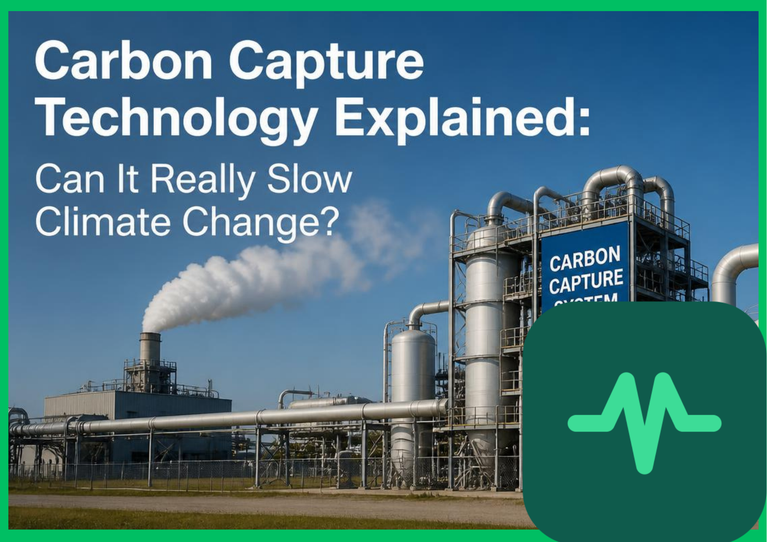
Picture a machine that literally sucks carbon dioxide out of the air, like a giant vacuum cleaner for the sky. It sounds like science fiction. It's real, and it's called carbon capture technology.
This idea inspires real hope in some people. It draws real skepticism from others. Both reactions make sense. Let's walk through what this technology actually does, honestly, without the hype.
What Carbon Capture Technology Actually Does
At its core, carbon capture technology grabs carbon dioxide before it enters the atmosphere, or pulls it back out afterward. There are two main approaches worth understanding.
The first captures carbon directly at the source. Think of a smokestack at a factory or power plant. Special equipment traps the carbon dioxide before it ever escapes into open air.
The second approach, called direct air capture, is more ambitious. It pulls carbon dioxide straight out of the regular atmosphere, wherever it happens to be. This is harder, since carbon dioxide is far more diluted in open air than in a smokestack.
Why This Technology Matters So Much
Here's the uncomfortable truth. Even if the entire world stopped burning fossil fuels tomorrow, we'd still have a serious carbon problem. Decades of emissions are already sitting in our atmosphere, warming the planet.
Carbon capture technology offers something genuinely different from switching to solar or wind. It doesn't just stop new emissions. It can actually undo some of the damage already done.
That distinction matters a lot. Prevention is important, but it's not enough on its own anymore. We need real cleanup tools too, and this is one of the most promising ones on the table right now.
Where This Technology Is Already Working
This isn't purely theoretical. Real facilities are running today, right now, across the country.
Several American power plants and industrial sites already capture carbon from their smokestacks. That captured carbon often gets pumped deep underground, into secure geological formations, where it stays locked away safely for a very long time.
Direct air capture facilities are newer and smaller, but they're growing fast. Companies are building massive plants specifically designed to pull carbon straight from the open atmosphere, storing it permanently underground.
The Honest Problems With Carbon Capture
Let's be real about the challenges here, because they're genuinely significant.
Cost is the biggest one. Carbon capture technology is expensive, especially the direct air capture version. Pulling diluted carbon dioxide out of open air takes enormous amounts of energy, which costs real money.
There's also a fairness concern worth taking seriously. Some critics argue this technology gives polluting companies an excuse to keep polluting, rather than actually cutting emissions at the source. That's a legitimate worry, not just cynicism.
Scale is another real problem. To make a meaningful dent in global emissions, we'd need thousands of these facilities running worldwide. Right now, we have a small handful. The gap between where we are and where we need to be is genuinely enormous.
Why People Feel So Divided About This
Some people see carbon capture technology as a genuine lifeline, a real second chance for the planet. Others see it as a dangerous distraction, letting industries avoid the harder work of actually cutting emissions.
Honestly, both perspectives hold real truth. This technology alone won't save us. It's also not nothing. The most reasonable view treats it as one tool among many, not a silver bullet that lets everyone off the hook.
What This Means for Everyday Americans
You probably won't buy carbon capture technology for your own home anytime soon. That's fine. This is largely industrial-scale stuff, built for power plants and factories, not living rooms.
Still, this technology affects you indirectly. Your tax dollars may help fund it through government incentives. Companies you buy from might use it to offset their own emissions. And frankly, the more this technology succeeds, the better shot we all have at a livable climate future.
Government Support Is Growing
American policy has started backing this technology in a real way. Tax credits now reward companies that capture and store carbon. This has genuinely accelerated investment across the industry.
This kind of support matters enormously. Without it, carbon capture technology would likely stay far too expensive to scale up meaningfully. With it, real progress is finally happening.
Common Questions About Carbon Capture Technology
Does carbon capture technology actually work?
Yes, in the sense that it genuinely removes carbon dioxide from smokestacks or open air. Whether it can scale up enough to matter globally remains an open, important question.
Is carbon capture technology expensive?
Yes, especially direct air capture. Costs are falling over time, but this remains one of the pricier climate solutions available today.
Where does the captured carbon actually go?
Most captured carbon gets pumped deep underground into secure geological storage, where it's designed to stay locked away safely for centuries.
Final Thoughts
Carbon capture technology isn't a magic fix, and nobody serious claims it is. It's a genuine, hard-won tool in a much larger toolbox, one we're going to need every piece of.
The honest hope here isn't that one invention saves us. It's that dozens of imperfect solutions, working together, might just be enough. Carbon capture technology is one of those pieces, flawed but genuinely important.



Comments (0)
Login to leave a comment.
No comments yet. Be the first to share your thoughts!