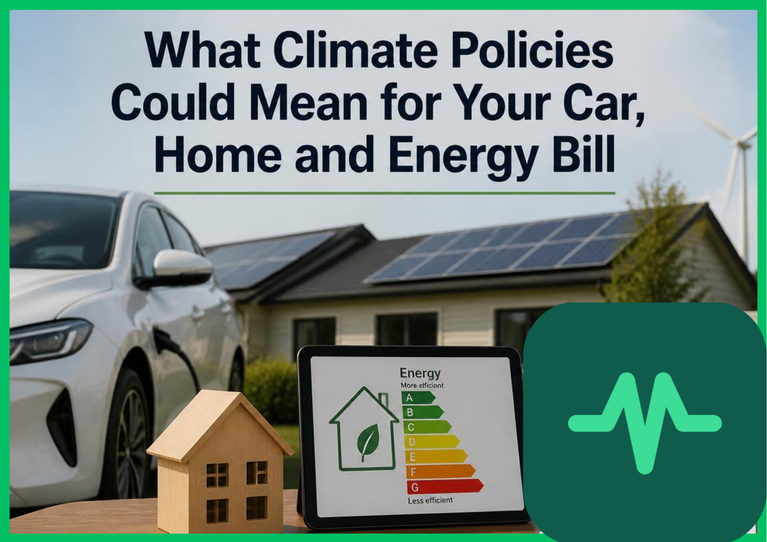
When people hear the words "climate policy," they often picture government meetings and thick documents nobody reads. Climate policies genuinely affect everyday life, though, in ways that reach far closer to home than most people realize.
They can influence the car you drive. They can influence how your electricity gets generated. They can affect the buildings you live and work in. They can change product standards on the shelves. They can also create real incentives for cleaner technology to reach the market faster.
Electric Vehicles
Transportation is one major area shaped by climate policy. Governments can introduce vehicle emissions standards, pushing automakers toward cleaner designs. They can support charging infrastructure directly with real funding.
They can also create policies that encourage cleaner vehicles more broadly. As a result, consumers may genuinely see more electric models available in the market than they would otherwise.
What Does This Mean for Drivers?
The effect depends heavily on the specific country. In some markets, EV policies genuinely make electric vehicles more attractive through incentives and support. In others, consumers may see changes in vehicle taxes or emissions requirements instead, shaping the market from a different angle.
These policies influence both manufacturers and buyers at once, shaping what gets built and what actually gets purchased.
Renewable Energy
Governments can also create policies specifically supporting renewable electricity. These policies encourage real investment in solar and wind projects, helping them get built faster than the private market alone might manage.
More renewable generation gradually changes electricity systems over time. For consumers, this may eventually create more genuine clean-energy choices, whether through their utility or their own rooftop.
Rooftop Solar
Some governments support household solar directly. These policies vary quite widely depending on where you live.
They may involve financial incentives, financing schemes, or rules for connecting systems to the electricity grid. Always check the specific rules that apply in your own location, since assumptions based on a neighboring state or country can genuinely lead you astray.
Energy Efficiency
Climate policies can also target energy efficiency directly. Governments may introduce standards for appliances and buildings, requiring manufacturers to meet certain benchmarks before selling a product.
These rules encourage manufacturers to develop genuinely more efficient products over time. Consumers, as a result, gain access to products that use less energy, often without even realizing the regulation behind the improvement.
Homes
Buildings account for a significant share of overall energy use, more than people often assume. Policies can encourage better insulation, more efficient heating and cooling systems, and improved building design overall.
For homeowners, this creates both real costs and real opportunities, depending on how and when these standards get applied to your specific situation.
Electricity Bills
Climate policies genuinely influence electricity markets, though the effect isn't always simple to predict. Investment in new infrastructure creates real costs upfront.
At the same time, efficiency improvements and renewable generation can reduce some energy costs over time. The final impact on your bill depends heavily on local market design, so it genuinely varies by region.
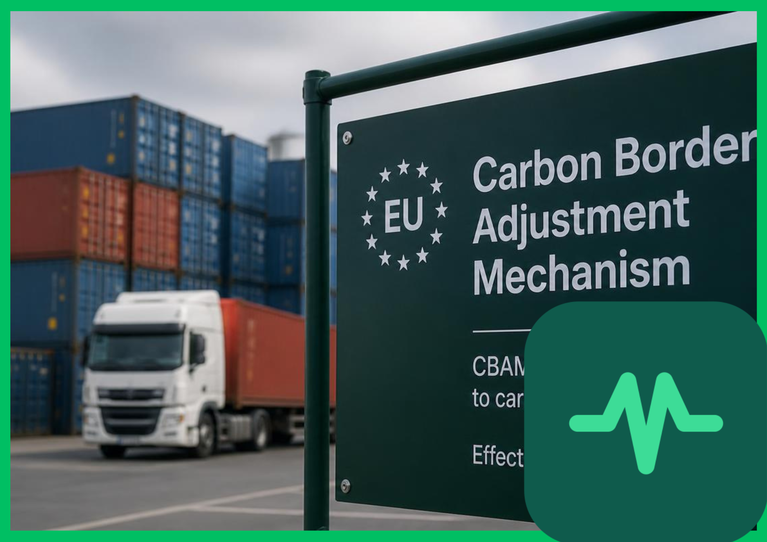
Carbon Pricing
Some governments put a real price on carbon emissions. The objective is straightforward: encourage lower-emission choices by making pollution more expensive.
Carbon pricing affects businesses directly. Those effects can sometimes reach consumers too, through shifts in product and energy prices, though the connection isn't always immediate or obvious.
Why Policy Can Feel Confusing
Climate policies differ significantly between countries, and honestly, that's part of what makes this topic feel genuinely confusing. Some governments move quickly. Others take a much slower approach.
Some provide direct financial support. Others focus more heavily on regulations instead. This means it's worth looking at your own local policies specifically, rather than assuming one country's approach applies universally everywhere else.
Climate Policy Creates New Markets
Government action can genuinely encourage entirely new industries to emerge. EV charging companies can grow rapidly under supportive policy. Solar businesses can expand into new markets.
Energy-efficiency services can become more valuable to consumers and businesses alike. Battery storage can receive more attention and investment too. Policy, in other words, genuinely shapes the direction technology markets move in, not just their pace.
Consumers Need Clear Information
Climate-related products often involve genuinely major purchases worth taking seriously. A solar system is expensive. An electric vehicle is expensive. A home energy upgrade can cost significant money too.
Understand the available incentives, the specific rules, and the real long-term costs before making these decisions. Rushing in without this homework can genuinely cost you more than necessary.
Policy Can Change
This point deserves real emphasis. Governments can change policies at any time, sometimes with relatively little warning. Incentives can be reduced. New standards can be introduced. Existing programs can end entirely.
Check current, official information before making financial decisions based on a specific policy. What was true last year might not be true today, and assuming otherwise can genuinely cost you.
EcoGreenPulse View
Climate policies are one of the genuine forces shaping the entire market. Technology doesn't develop in isolation, disconnected from the world around it.
Government decisions influence investment. Investment influences which companies grow. Companies develop new products as a result. Consumers then gain genuinely new choices they didn't have before, all connected in one continuous chain.
Conclusion
Climate policy can sound genuinely complicated at first glance. Its effects, though, are often surprisingly practical and close to home.
It can influence the car you ultimately buy. The appliances you choose for your kitchen. The energy your home actually uses every month. And the technologies genuinely available in your local market.
Understanding climate policies is becoming increasingly useful for consumers, not just policymakers. The clean-energy transition isn't only a technology story unfolding in labs and factories. It's genuinely a policy story too, shaping what reaches your driveway, your rooftop, and your monthly bill.
Sources: International Energy Agency, International Renewable Energy Agency, European Commission, and United Nations Environment Programme resources on climate and clean-energy policy.


Comments (0)
Login to leave a comment.
No comments yet. Be the first to share your thoughts!