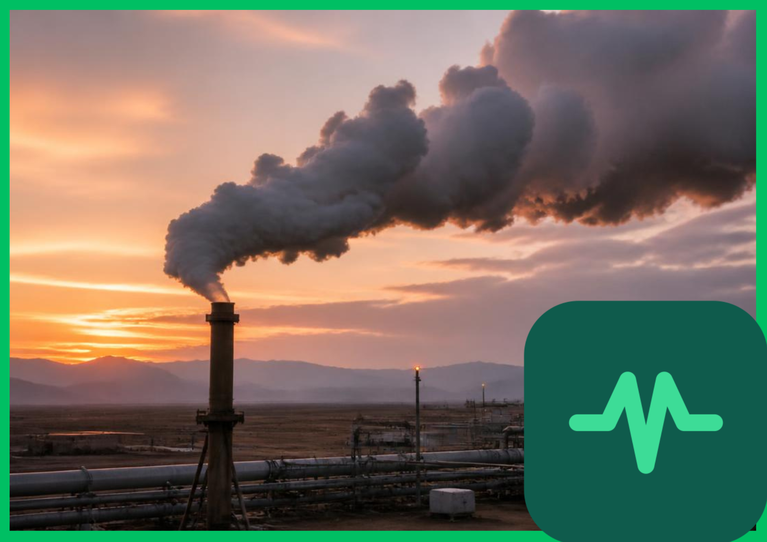
Let's talk honestly about what these rules actually do, and why they genuinely matter more than their quiet media coverage suggests.
Why Methane Deserves Genuine Attention
Here's something that genuinely surprises people. Methane traps significantly more heat than carbon dioxide over short time periods, making it genuinely one of the most impactful greenhouse gases we produce.
The genuinely good news is methane breaks down in the atmosphere faster than carbon dioxide too. This means cutting methane emissions could genuinely deliver relatively fast climate benefits compared to other efforts.
Where Methane Actually Comes From
Oil and gas operations genuinely leak significant methane during extraction and transport, often from equipment that simply wasn't designed with leak prevention as a genuine priority.
Agriculture contributes too, along with landfills. New methane emissions rules primarily target the oil and gas industry specifically, since that sector offers genuinely significant, relatively achievable reduction opportunities.
What These New Rules Actually Require
These rules genuinely require oil and gas companies to detect and fix methane leaks more aggressively than before. This includes genuinely regular monitoring using new detection technology, plus real penalties for excessive leakage.
This isn't just paperwork. It requires genuine operational changes, better equipment, and real accountability measures companies previously could genuinely avoid.
Why This Genuinely Matters for Everyday People
You might wonder why oil and gas equipment policy genuinely affects you personally. Here's the honest connection. Methane leaks represent wasted natural gas, product companies could have genuinely sold instead of leaking uselessly into the atmosphere.
Reducing this waste can genuinely support both climate goals and more efficient energy markets at the same time.
The Honest Pushback This Policy Faces
Let's be fair about genuine industry concerns here. Companies argue compliance costs money, and some genuinely worry about competitiveness against operations in less regulated regions.
These are legitimate, honest concerns worth acknowledging, even while supporting the genuine climate benefits these rules aim to deliver.
Why New Detection Technology Genuinely Helps
Satellite and sensor technology has genuinely improved dramatically, making it far easier to detect methane leaks that used to go genuinely unnoticed for months or years.
This technological improvement genuinely makes stronger enforcement possible in ways that simply weren't achievable a decade ago.
Why This Feels Like Genuine, Practical Progress
There's something genuinely satisfying about climate policy that targets a specific, measurable, fixable problem rather than vague, sweeping goals. Methane rules feel genuinely achievable, not abstractly distant.
What Comes Next for This Policy
Enforcement and industry compliance will genuinely take time to fully play out. Watching how effectively these rules get implemented matters just as much as the rules existing on paper in the first place.
Common Questions
Does this policy genuinely affect my natural gas bill?
Effects vary, though efficiency improvements could genuinely offset some compliance costs over time.
Why focus specifically on oil and gas operations?
This sector offers genuinely significant, relatively achievable emission reductions compared to other methane sources.
How is methane different from carbon dioxide in climate impact?
Methane traps genuinely more heat short-term, but breaks down faster, making quick reductions genuinely impactful.
Final Thoughts
Methane emissions rules might not grab genuine headlines, but they represent real, practical climate progress. Sometimes the most genuinely important policies are the quiet ones, working steadily in the background toward real, measurable results.
Comments (0)
Login to leave a comment.
No comments yet. Be the first to share your thoughts!